
Omnar Bertele 50mm f/2 Review – A Modern Sonnar for Leica M
A Sonnar for people who don’t care about perfection by Milan Swolfs
Introduction
I received my copy of the Omnar Bertele 50mm f/2 MC FLB in brass black paint, and my first impressions were very clear.
This is a lens I immediately liked the moment I picked it up.
Not because of specifications or technical performance, but because of how it looks and feels. I’ve always had a preference for aesthetically pleasing lenses, and this is easily one of the most beautiful 50mm lenses I’ve handled.
The lens is compact, slightly smaller than a Leica Summicron Rigid, but with that same reassuring density in hand. Like the Rigid, it’s also made of brass, which gives it that solid, mechanical feel many modern lenses lack.
It feels like an object from a different era. Steampunk meets Leica M mount.
The black paint finish already shows slight factory brassing, which only adds to the character. Mounted on a black paint Leica body, it feels completely at home there.
At first glance, everything feels familiar, but small details quickly set it apart. The aperture ring has no clicks, the mechanics behave differently from a traditional Leica lens, and the whole experience naturally slows you down.
After a few minutes, you realise this lens is not designed for speed, but for a more intentional way of shooting.
In this review I’ll look at the Omnar Bertele 50mm f/2 MC FLB on the Leica M11 Monochrom and Leica M11-D, focusing on real-world portrait photography, rendering, handling, Monochrom performance and how the Floating Lens Block system changes the classic Sonnar experience.
Omnar Bertele 50mm f/2 MC FLB specifications
Omnar Bertele 50mm f/2 MC FLB in gloss black paint finish
Before diving deeper into the rendering and shooting experience, here are the basic specifications of the Omnar Bertele 50mm f/2 MC FLB:
Focal length: 50mm
Maximum aperture: f/2
Minimum focus distance: 0.7m
Optical design: 6 elements in 3 groups
Aperture blades: 9 rounded blades
Filter thread: E39
Weight: approximately 250g
Construction: solid brass
Mount: Leica M
Focus: manual rangefinder coupled
Finish options: gloss black paint with brassing, matte black, matte silver, satin black
The lens also features Omnar’s Floating Lens Block system, designed to compensate for the focus shift traditionally associated with Sonnar lenses.
Traditional Sonnar lenses are often known for focus shift, but the Floating Lens Block system makes the Omnar feel much more predictable in practical use.
On paper, nothing here looks extreme.
In practice, it behaves very differently from most modern 50mm lenses.
My personal relation with 50mm lenses
I’m primarily a 50mm shooter. Most of my work is portrait-based, often framed vertically, and the 50mm gives me the compression and perspective I naturally prefer.
I’ve owned and used most Leica 50mm lenses, from modern optics like the Summilux ASPH to older lenses like the Summicron Rigid and the Noctilux f/1.
More recently, I’ve been drawn towards lenses that offer character rather than technical perfection. Not necessarily more expensive lenses, but lenses that have a distinctive rendering and emotional quality.
That’s also how I ended up enjoying lenses like the Zenitar 35mm f/1 and the Light Lens Lab Z21. Neither lens is perfect on paper, but both bring atmosphere into the image.
The Omnar fits directly into that philosophy.

Why 50mm f/2 still matters
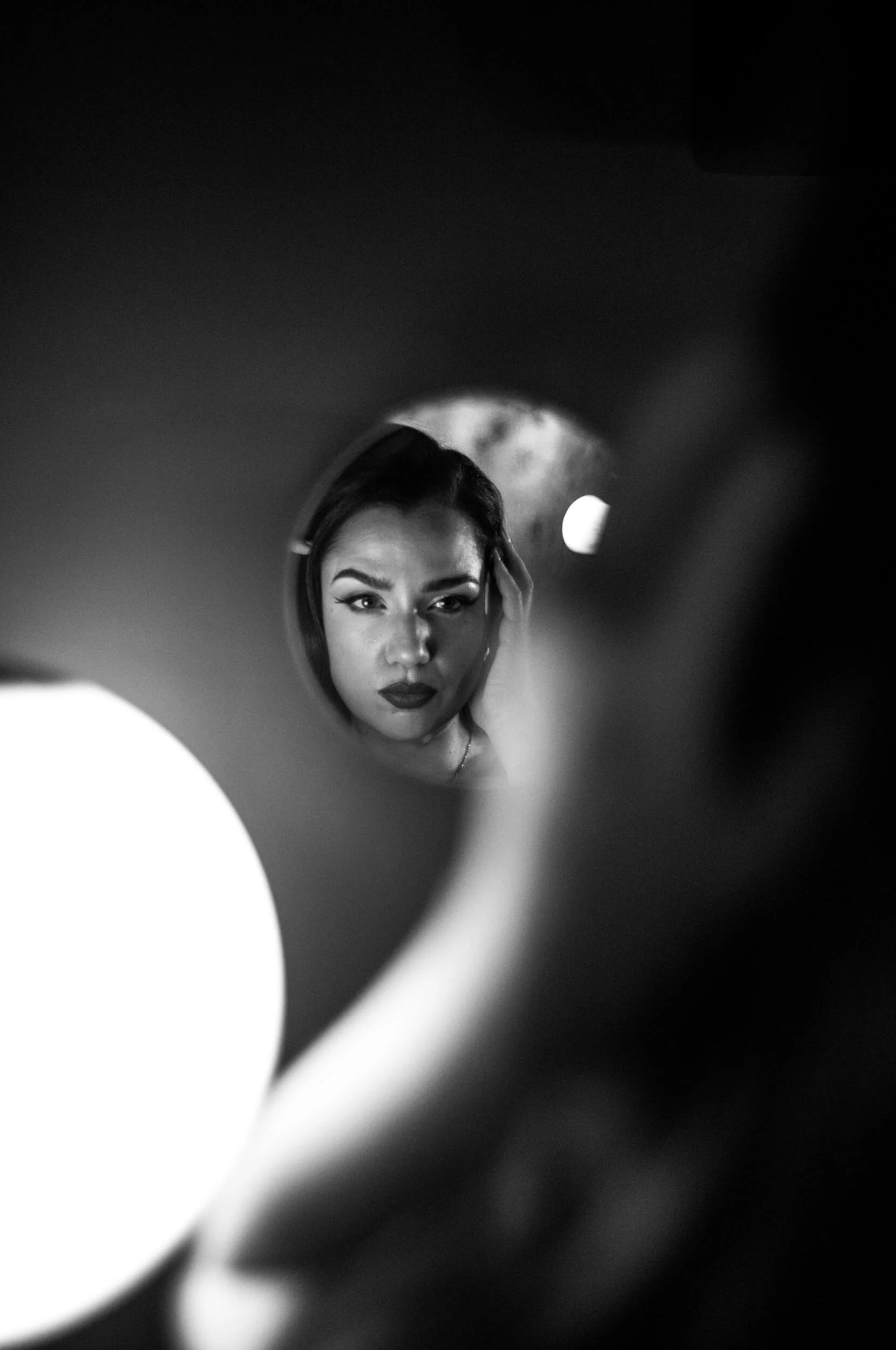
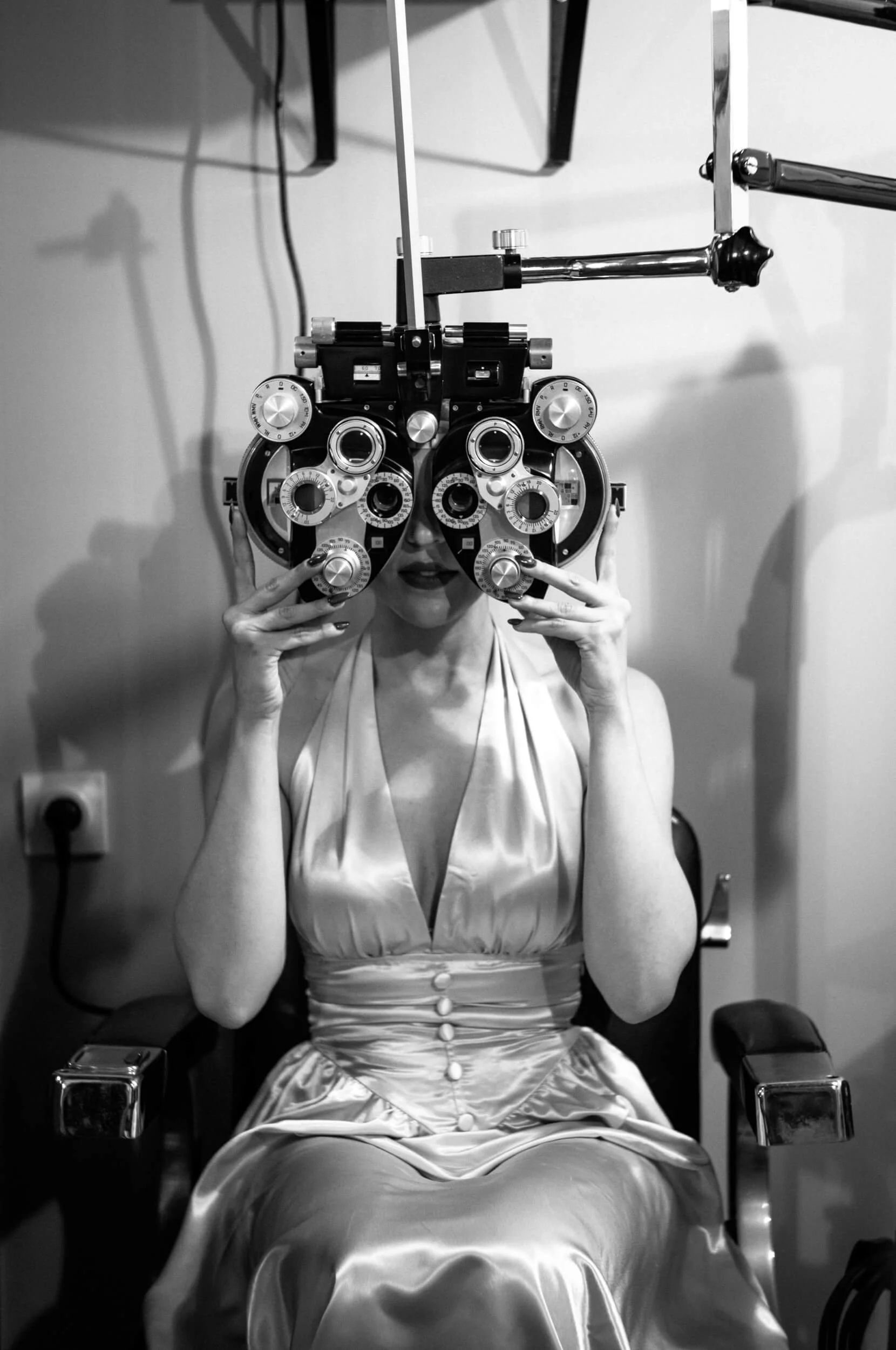
The quieter beauty of a classic 50mm f/2 rendering on the Leica M11 Monochrom
Although I’ve always been drawn towards fast glass, especially lenses faster than f/2, I still believe every photographer should own at least one good 50mm f/2 lens.
There is something very balanced about the focal length and aperture combination. A 50mm f/2 remains compact, relatively forgiving on a rangefinder, still offers beautiful subject separation and works in almost every photographic situation. It sits perfectly between practicality and character.
On a Leica M body especially, f/2 often feels like the sweet spot. Fast enough to isolate a subject and create atmosphere, but without the extreme focusing demands, size and weight of lenses like a Noctilux.
A good 50mm f/2 is also one of the best travel companions you can have. Small enough to carry all day, versatile enough to move between street photography, environmental portraits, landscapes and quieter documentary moments without ever feeling limiting.
There is a reason photographers like Henri Cartier-Bresson relied so heavily on compact 50mm lenses for much of their work. The perspective simply feels natural and intuitive once you spend enough time with it.
The Omnar Bertele fits beautifully into that tradition of classic 50mm f/2 lenses. It keeps the compactness and usability people love about a Summicron-style setup, but adds a far more atmospheric and expressive Sonnar rendering on top of it.
For me, it’s one of those rare 50mm f/2 lenses that genuinely feels complete as a photographic tool while still having a very strong personality.
About Omnar Lenses
Omnar Lenses is a small UK-based company founded by Hamish Gill (35mmc) and Chris Andreyo (Skyllaney Optomechanics).
The company is known for rehoused optics and unusual rangefinder lens projects, but the Bertele 50mm f/2 is different. It’s their first lens using newly sourced glass elements, based around the classic 1934 Sonnar formula by Ludwig Bertele.
All lenses are hand-assembled in the UK and produced in very small batches with several finish options available.
My version is the gloss black paint model with factory brassing.
This level of craftsmanship and low production volume makes the lens expensive, but this clearly isn’t a mass-market product. It’s aimed at enthusiasts who care about rendering, mechanics and experience as much as specifications.
What makes the Omnar interesting is not simply that it is a Sonnar lens. There are many Sonnar-inspired lenses available today.
The appeal here is the combination of classic rendering with modern usability. You get the atmosphere, glow and softer transitions of a traditional Sonnar, but with far more predictable behaviour on modern digital Leica bodies.
What also makes the Omnar special is that it does not come from a large corporation. This is a lens hand-assembled in the UK in very small numbers, with clear attention to craftsmanship and mechanical design.
In many ways, it already feels like a modern heritage lens.
The Omnar Bertele is not cheap, with prices starting around £2750 depending on configuration, but this is not a lens built around value or specifications alone.
You are buying a handmade object with a story behind it. A lens that feels personal, carefully designed and mechanically unique in a world where many lenses increasingly feel interchangeable.
And aesthetically, this is honestly one of the most beautiful lens designs I have seen in recent years.
Not just as a tool to shoot with, but also as an object for collectors, lens enthusiasts and people who appreciate photographic history.
The Omnar Bertele feels less like a product and more like a modern interpretation of a classic idea.
Handling and usability on Leica M cameras
Handling is probably the most unusual part of the lens.
The Omnar Bertele 50mm f/2 paired with the Leica M11 Monochrom
The focus is smooth and precise, with a slightly longer throw that encourages slower, more deliberate shooting. The focus tab itself feels excellent and focusing at f/2 is surprisingly easy on the Leica M11 Monochrom.
The aperture ring is where the lens becomes different.
Because of the Floating Lens Block system, the aperture ring has no click stops and changing aperture physically shifts the optical block slightly. In practice, this means you usually set aperture first and focus afterwards. If you change aperture later, you often need to refocus.
Initially this feels strange, but after some use it becomes second nature.
The entire front section also rotates during focusing, meaning aperture markings gradually move position depending on focus distance.
Other practical details:
very little rangefinder blockage
exposed helicoid
no included hood
rotating filter thread
slightly thin aperture ring
Another practical thing worth mentioning is that the Omnar Bertele is not 6-bit coded. During shoots this can occasionally become confusing if you forget to manually select the correct lens profile on the Leica body.
In some of my files, the EXIF data therefore incorrectly showed a 75mm f/2 lens instead of the Omnar. This obviously does not affect image quality itself, but it is something Leica M users should be aware of, especially if they rely heavily on metadata organisation inside Lightroom or Capture One.
None of these are dealbreakers, but this definitely feels like a specialist lens rather than a universal everyday tool.
Quiet cinematic moments at Bozzi in Nice with the Omnar Bertele 50mm f/2
The Sonnar character and Floating Lens Block system
Classic Sonnar atmosphere with gentle glow and softer tonal transitions
I’ve always enjoyed the Sonnar look.
I’ve owned several Sonnar-inspired lenses, including the Zeiss ZM Sonnar 50mm f/1.5. The rendering of that lens was gorgeous, probably still one of the most beautiful 50mm rendering styles I’ve used, but eventually I sold it because of the focus shift. On a rangefinder, especially during faster portrait sessions, it could become frustrating at times.
More recently I also started experimenting with older Soviet lenses based on Sonnar designs. Some of them can produce incredibly beautiful images. My Helios 44-2 for example has a rendering I absolutely love, but my copy really needs a proper CLA and mechanically it feels nowhere near as refined as the Omnar.
That’s what makes the Omnar Bertele so interesting to me.
It feels like someone finally created a modern interpretation of the classic Sonnar philosophy without most of the traditional frustrations that usually come with these lenses.
You still get the softer transitions, lower contrast and atmospheric rendering Sonnars are loved for, but combined with robust modern mechanics, modern coatings and most importantly: predictable behaviour without obvious focus shift issues.
The Floating Lens Block system is really the key here. In real-world use, the lens simply behaves far more reliably than older Sonnar designs I’ve used before.
And that changes the experience completely.
Instead of fighting the lens, you can simply enjoy the rendering.
Rendering and image quality
Warm tones, softer transitions and classic Sonnar atmosphere in colour
This is not a lens you buy for sharpness charts.
Wide open at f/2, the rendering is soft with lower contrast and a very distinct glow around highlights. But what makes this lens special is how controlled that glow feels.
The rendering is relatively clean, but with a luminous halo around bright areas that goes beyond a simple soap bubble effect.
It gives images atmosphere without completely losing structure.
Subject separation is beautiful. At f/2, the lens isolates subjects very naturally while still maintaining readable backgrounds.
The bokeh itself has a slightly bubbly structure with point light sources, but because this is “only” an f/2 lens, it never becomes overwhelmingly chaotic or distracting.
Personally, I really enjoy this balance.
The tonality is what impressed me most.
In monochrome especially, it reminds me strongly of the Summicron Rigid. Rich grey tones, smooth transitions and a softer highlight roll-off. But combined with the classic Sonnar style glow and separation.
The Rigid still feels slightly sharper and more controlled overall, especially stopped down, but the Omnar introduces a softer and more atmospheric rendering that I personally find very appealing for portrait work.
It feels like a combination of both worlds.
Colour rendering is also very beautiful. Skin tones feel slightly muted rather than overly saturated, which I personally prefer for portrait work.
The overall rendering leans warmer rather than colder, though part of that may also come from the light and atmosphere of the French Riviera itself.
The Omnar creates a very pleasant Sonnar-style bokeh.
Compared to lenses like the Zeiss ZM Sonnar 50mm f/1.5 or even something like the Helios 44-2, the rendering feels much more controlled.
The Helios is a far wilder lens and more of a speciality tool. The ZM Sonnar produces stronger separation due to the faster f/1.5 aperture, but also behaves less predictably and comes with the well-known focus shift compromises.
The Omnar feels more refined and easier to trust while still maintaining a strong classic Sonnar character.
Like many classic Sonnar designs, the Omnar also rewards careful background selection.
Foliage works beautifully with this lens, especially when there is enough distance behind the subject. Glass, reflections and point light sources can also produce gorgeous rendering with the slightly luminous halo effect around highlights.
Flare resistance is decent considering the vintage optical design. Shooting directly into strong light can produce some glow and larger ghosting artefacts, but personally I often enjoyed this behaviour for cinematic portrait work rather than seeing it as a flaw.
This is not a lens where you simply point and shoot without thinking.
The background becomes part of the rendering itself.
Give the lens enough space behind the subject and it really comes alive.
Compared to the Light Lens Lab Z21, the Omnar is less extreme and less cinematic in an exaggerated sense. The Z21 feels wilder and more experimental, while the Omnar feels calmer and more refined.
This is a lens I naturally prefer shooting wide open. That’s where the magic lives.
Aperture behaviour
f/2
The Omnar Bertele wide open at f/2 with softer contrast and cinematic separation
Wide open is where the lens shows its true identity.
Glow around highlights, lower contrast and classic Sonnar separation. This is the setting where the lens becomes atmospheric and emotional.
The rendering almost feels cinematic without trying too hard.
f/2.8
At f/2.8 the rendering becomes noticeably calmer and more structured.
The bokeh remains smooth, but less nervous compared to f/2. Contrast improves and the lens becomes easier to control in more difficult lighting situations.
f/4 and beyond
By f/4 and beyond, the Omnar becomes noticeably sharper while still maintaining softer tonal transitions than most modern Leica optics. It never fully loses its vintage character or becomes clinical, which is part of what keeps the rendering interesting even when stopped down.
Omnar Bertele 50mm f/2 on the Leica M11 Monochrom
The Omnar Bertele 50mm f/2 paired with the Leica M11 Monochrom overlooking Nice
This lens works beautifully on the Leica M11 Monochrom.
The softer rendering combined with the high-resolution monochrome sensor creates a very balanced look. Highlights feel smoother, skin tones appear gentler and the files already look rich straight out of camera.
Very little editing is needed.
A softer, more emotional portrait rendering with the Omnar Bertele 50mm f/2
With some careful post-processing, the lens becomes even more interesting. Especially for female portraiture where softer transitions and lower contrast often create a more timeless rendering.
I’ve always loved the Summicron Rigid on Monochrom cameras.
The Omnar feels like it belongs in that same family emotionally, but with more glow and more atmospheric separation.
I would also strongly consider using a yellow filter with this lens on the Monochrom sensor. The combination works beautifully. It slightly deepens the tonal separation, gives skin more presence and enhances the classic rendering this lens already naturally produces.
This is one of those lenses that just feels right on the Monochrom.
What makes the Omnar so special on the Monochrom is the tonal flexibility it gives you.
The Monochrom files still need some interpretation afterwards, and the Omnar provides an excellent starting point even without using coloured filters.
Because of the lower contrast rendering, the files have a lot of latitude to work with in post-processing. You can push them towards deep blacks and strong whites, or keep them softer and more subtle with smoother transitions in between.
That is one of the reasons why I often prefer slightly lower contrast vintage lenses on the Monochrom sensor.
It’s a combination I genuinely cannot rave enough about.
My editing process for these files was actually very minimal. Usually just a small S-curve adjustment, a bit of grain and very little else.
I don’t believe in overcooking Monochrom files, especially when the lens already gives you a strong starting point.
The results from the shoots in Nice ended up looking almost exactly like I imagined when I packed the M11 Monochrom together with the Omnar.
Shooting with the Omnar Bertele in Nice
Elegant monochrome tonality inside one of Nice’s grand interiors with the Omnar Bertele 50mm f/2
Quiet cinematic moment in Nice with the Omnar Bertele 50mm f/2 and Leica M11 Monochrom
I brought the Omnar with me to Nice during three days of model shooting, alongside the Thypoch Simera 28mm f/1.4 and the Light Lens Lab 75mm f/2 SPII. My setup stayed intentionally simple: the Leica M11-D was mainly paired with the Simera and the Speed Panchro for colour work, while the Leica M11 Monochrom stayed paired with the Omnar Bertele 50mm f/2.
I’ve learned that I don’t enjoy constantly swapping lenses during shoots. It interrupts the rhythm, distracts me from the moment and also affects the connection with the model. I prefer giving each camera and lens combination a very clear role during a shoot.
The Simera and Speed Panchro became my colour setup for wider scenes and more cinematic portraits, while the Omnar naturally evolved into the quieter camera for more intimate black and white moments.
And honestly, this is where the lens completely won me over.
The Omnar became the camera I instinctively kept reaching for between setups. The softer expressions, quieter portraits and small in-between moments felt incredibly natural with this lens mounted on the Monochrom.
Out of all the lenses I brought to Nice, this was probably the combination that gave me the most pleasure to use. The feel of the lens, the tonality, the rendering and the way it handles light all came together in a very coherent way.
I did shoot a few colour frames with the Omnar as well, and the slightly muted skin tones combined with the warmer rendering can look beautiful in Mediterranean light. Still, for me, this lens truly shines on the Monochrom.
A cinematic café moment at the French Riviera
Classic Sonnar atmosphere and soft tonal rendering with the Omnar Bertele 50mm f/2 in Nice
During one of the shooting days we stopped for lunch at a small café called Bozzi in Nice.
We sat outside for food, but I always instinctively check interiors and even bathrooms for photographic potential.
The interior immediately caught my attention.
Elegant but quiet. Not overcrowded. Large windows providing soft daylight and a few practical lamps in the background that could become part of the composition.
It felt like the perfect place for more intimate black and white photographs.
I photographed Flo and Letizia together there and asked them to approach the scene almost like actors inside a small cinematic story.
The theme became solitude.
Two women moving through the French Riviera, both searching for something, eventually crossing paths without immediately realising it themselves.
Sitting next to each other, but emotionally still distant.
This is exactly where the Omnar worked beautifully. The softer rendering and tonal depth helped create images that felt atmospheric without becoming overly stylised.
Leopard skin shoot and light setup
For another shoot at Flo’s house in Nice, we decided to photograph on a real vintage leopard skin rug. It’s an original vintage piece from decades ago, so purely a prop and part of the atmosphere of the house.
There was a large window next to it with beautiful morning light coming through. That immediately became the starting point of the shoot.
I always try to build my shoots around the natural light first and then subtly shape it with artificial light if needed.
Warm tones and cinematic color rendering from the Omnar Bertele 50mm f/2 in natural light
For this setup I also used a Harlowe Avant Max 80W LED with a yellow gel as a gentle contra light. Just enough to softly fill some of the shadows on the opposite side of the face without losing the mood created by the daylight.
The morning light created beautiful rays and shadows across the leopard skin, which worked perfectly with the softer rendering of the Omnar.
I tried to avoid placing harsh light directly onto the face too much and instead let the lens render softer transitions naturally.
This is exactly the kind of environment where the Omnar shines.
Warm light.
Texture.
Atmosphere.
Softer transitions.
Comparisons and alternatives
Leica Summicron Rigid 50mm f/2
Comparing the Omnar Bertele 50mm f/2 with the classic Leica Rigid Summicron 50mm in warm evening light
The Rigid remains slightly sharper and more neutral, especially stopped down, but the Omnar adds more glow and more expressive background rendering.
Zeiss ZM Sonnar 50mm f/1.5
The Zeiss is faster and far more affordable, but also more unpredictable because of focus shift. The Omnar feels more refined mechanically and easier to trust wide open.
The Zeiss also has a longer 0.9m minimum focus distance, whereas the Omnar focuses down to 0.7m.
Helios 44-2 58mm f/2
The Helios remains much wilder and more experimental. It has stronger swirl and more unpredictable rendering.
The Omnar feels calmer, more balanced and much easier to integrate into daily shooting.
Light Lens Lab Z21 50mm f/1.5
The Z21 is more cinematic, more chaotic and more experimental. The Omnar keeps much more balance and control while still offering strong character.
Leica Summilux 50mm f/1.4 ASPH
The Summilux ASPH is sharper, cleaner and more corrected in every technical sense. But emotionally, it creates a very different image.
The Omnar is softer, more nostalgic and more atmospheric.
Leica Noctilux 50mm f/1
One of my all-time favourite Leica lenses remains the Noctilux 50mm f/1.
The Omnar obviously cannot compete with the Noctilux in terms of raw separation or speed, but interestingly it still manages to create plenty of subject isolation because of the way the Sonnar rendering behaves at f/2.
In return, the Omnar gives you a much smaller lens, full brass construction and a closer minimum focusing distance of 0.7m compared to the 1m limitation of the Noctilux.
The rendering also feels less aggressive and slightly more balanced.
The Noctilux creates drama, whereas the Omnar feels more atmospheric and restrained.
Honestly, I would place the Omnar comfortably within my personal top five favourite Leica M 50mm lenses.
Aesthetically, it may even be in the top three most beautiful M-mount lenses I’ve ever used.
Who is the Omnar Bertele 50mm f/2 for?
Dreamlike reflections and classic Sonnar softness with the Omnar Bertele 50mm f/2 in Nice
The Omnar Bertele 50mm f/2 is not a lens for photographers chasing technical perfection or APO-style correction.
It’s for photographers who care about rendering, atmosphere and emotional character inside an image.
This is a lens for:
Leica M photographers who enjoy slower, more intentional shooting
portrait photographers looking for softer transitions and classic rendering
Monochrom users searching for rich tonality and lower contrast files
collectors and lens enthusiasts who appreciate unusual optical designs
photographers who love classic Sonnar rendering without the traditional frustrations of heavy focus shift
But beyond that, this is also a lens for Leica collectors and photographers who simply want something different.
Something refined.
Something beautifully made.
Something that feels more like a jewel than a mass-produced product.
The Omnar feels like steampunk meets European Leica design. It looks vintage, renders vintage, but still carries a true premium modern feeling in use.
What makes it special is that it keeps much of the soul of a classic Sonnar while avoiding many of the traditional compromises. The Floating Lens Block system largely solves the focus shift issues classic Sonnars are known for, the coatings are modern, and the shorter 0.7m minimum focusing distance makes it far more practical for modern portrait work.
The Omnar is also not a lens made by a giant corporation. It’s hand-assembled in the UK in very small numbers, and that boutique approach is visible throughout the entire experience.
Yes, the price is premium, starting around £2750 depending on configuration, but this is not simply a lens you buy based on specifications alone.
You are supporting a very niche and passionate project.
A modern interpretation of a historical optical philosophy.
If you primarily shoot architecture, landscapes or highly clinical commercial work, there are technically stronger and more corrected lenses available.
But if you enjoy lenses with personality, craftsmanship and a strong visual identity, the Omnar becomes very difficult to forget.
It’s a lens for those who know, they know.
What I loved about the Omnar Bertele 50mm f/2
The Omnar Bertele 50mm f/2 paired with the Leica M11 Monochrom in warm ambient light
beautiful classic Sonnar rendering with smoother transitions and atmospheric glow
rich tonal depth, especially on the Leica M11 Monochrom
compact brass construction with excellent mechanical feel
more predictable behaviour compared to traditional Sonnar designs
gorgeous industrial design and craftsmanship
very natural subject separation without becoming overly aggressive
excellent balance between vintage character and modern usability
0.7m minimum focus distance makes it surprisingly versatile for portrait work
Things to consider before buying
premium price point starting around £2750
clickless aperture requires some adaptation in daily use
rotating front element can be inconvenient with filters
not designed for photographers looking for clinical sharpness or APO-style correction
rendering style is highly character-driven and may not suit every type of photography
exposed helicoid makes it less ideal for difficult environments
Final thoughts on the Omnar Bertele 50mm f/2 MC FLB
The Omnar Bertele 50mm f/2 is not trying to compete with modern Leica lenses.
It doesn’t aim to replace a Summilux or a Summicron.
It offers a different experience entirely.
For me, this lens feels like a balance between the structure and tonality of a Summicron Rigid and the softer atmosphere of a classic Sonnar.
Soft glow and classic portrait rendering from the Omnar Bertele 50mm f/2 on the Leica M11 Monochrom
It’s more controlled than a Z21.
Less clinical than a modern Summilux.
And far more emotional than most technically perfect lenses.
I have used 50mm lenses for many years as a natural companion. At this point, I instinctively know which frames will work and which won’t before even lifting the camera.
A 50mm lens combined with a Monochrom body gives me a certain calmness mentally. I stop thinking about colour completely and focus purely on light, expression and atmosphere.
And when the lens itself has character, that combination becomes very difficult to beat.
Not character in the sense of imperfections alone, but rendering that feels alive and emotional rather than technically perfect.
The Omnar on the M11 Monochrom became exactly that kind of combination for me.
Honestly, it’s one of the setups that made me genuinely excited to keep shooting.
And yes, I admit it, I’m also a sucker for beautifully designed tools. I know cameras and lenses are ultimately just instruments, but when something is aesthetically pleasing and beautifully crafted, it absolutely affects the way I enjoy using it.
If Leica ever made a brass black paint version of the M11 Monochrom to match this lens perfectly, that would probably be one of the most beautiful combinations imaginable.
This is a lens for photographers who enjoy slower photography.
Who care about rendering.
Who value atmosphere over perfection.
You bring this lens for peaceful walks, intimate portraits and nostalgic moments.
And beyond all technical discussions, it’s simply one of the most beautiful lenses I’ve ever used.
After using it in Nice, this is not just a lens I tested, but one I actually want to keep using.
A warm thank you
Special thanks to Hamish and the team at Omnar Lenses for giving me the opportunity to experience and photograph with the Omnar Bertele 50mm f/2 MC FLB.
Unfortunately this particular lens will soon have to return home, although after shooting with it in Nice, I can honestly say it became one of the most enjoyable Leica M lenses I’ve used in recent years.
I also want to thank Flo and Letizia for the beautiful modelling throughout the shoots, and Frances Follies for the hair and makeup artistry that helped bring the atmosphere and cinematic mood of these images to life.
About Milan Swolfs
Milan Swolfs is a fine art portrait photographer from Antwerp, Belgium, renowned for his distinctive blend of burlesque and vintage aesthetics. His work channels the timeless Hollywood glamour of the 1920s and 1930s, capturing both men and women in bold yet elegantly refined portraits.
Beginning his career photographing Europe’s largest burlesque events, Milan later transitioned into fine art photography. As an ambassador for Leica Camera and Harlowe Creators, his work has been featured in LFI (Leica Fotografie International), Medium Format Magazine, and Viewfinder. In 2022, he debuted his solo exhibition, Light of Seduction, at the Leica Store in Porto. Most recently, from late 2024 to early 2025, his latest exhibition, Echoes of Elegance: A Timeless Journey, was showcased at the Leica Store Beaumarchais in Paris.
Milan’s portraits celebrate individuality and classic beauty, reviving the charm and allure of a bygone era.
