
Thypoch Simera 28mm f/1.4 II Review (Leica M)
A 28mm f/1.4 That Finally Makes Sense for My Work — Thypoch Simera 28mm f/1.4 II Review by Milan Swolfs
In this review of the Thypoch Simera 28mm f/1.4 II, I explore why this 28mm lens fits my way of working.
The Simera 28mm f/1.4 II is the first 28mm that truly feels natural in my process.
Thypoch Simera 28mm f/1.4 II resting on a table during the shoot, paired with a Leica M camera in a red Angelo Pelle case and the book La Dolce Vita on a leopard skin texture.
There was a period when I found myself drawn to collecting, chasing rare lenses and searching for the most elusive pieces. I genuinely enjoyed that phase, but over time my priorities shifted. I realised that I am an artist, not a collector. What matters most is the image, not the rarity of the tool.
That does not mean gear has become irrelevant. A lens still needs to resonate with me. It has to fit my aesthetic, my way of seeing, and most importantly, it has to make me want to pick up the camera. That is also why I have been exploring lenses outside of the usual choices more frequently. Not because they are different, but because sometimes they align better with what I want to create.
There are still lenses I appreciate almost as collector pieces, but only when they offer something visually distinctive that cannot easily be replicated. Lenses like the Thambar, the Noctilux f/1, or the Steel Rim 35mm f/1.4 each carry a signature that goes beyond technical perfection. In those cases, the object and the output become inseparable. But rarity alone is never enough. The lens still needs to serve the image.
Why 28mm, and Why This One
Letizia selecting desserts at Restaurant Bozzi, captured in a warm interior scene with the Thypoch Simera 28mm f/1.4 II on the Leica M11-D.
Thypoch Simera 28mm f/1.4 II mounted on a Leica M camera with a red Angelo Pelle case, photographed in warm ambient light with soft background falloff.
After my experience with the Ksana 21mm, I became more curious about how Thypoch approaches wider focal lengths.
A 28mm lens has always been on the edge for me. It is the widest focal length I feel comfortable using for photographing people. Wide enough to include the environment, yet controlled enough to keep faces natural and elegant.
One of my all-time favourites remains the Leica Summaron 28mm f/5.6. On paper it is limited, but in practice it is full of character. It renders light in a gentle, almost poetic way. At the same time, its limitations are obvious, especially the 1 meter minimum focus distance, which makes it less flexible in real-world use.
That is exactly where the Simera immediately became interesting. The ability to focus down to 0.4 meters changes the way I can use a 28mm. It allows me to move between environmental portraits and more intimate details without changing lenses, which creates a much more fluid way of working.
Over the years I have owned and used a large part of the Leica M lineup. From classic designs to modern APO lenses, I have explored what is often considered the benchmark. Being a Leica Ambassador does not mean I only use Leica lenses. If anything, it has made me more critical. I am not searching for perfection on paper, but for rendering that supports the way I tell stories.
That also made me reflect on something quite simple: why have I never owned the Leica 28mm Summilux?
It is without question an exceptional lens, but for my way of working it never felt like the right balance. Size and weight play a role, but more importantly, the rendering never fully aligned with what I was looking for. When I use a 28mm, I want it to feel flexible, intimate, and capable of more than just environmental framing.
The Simera 28mm f/1.4 II finally offers that balance.
Seeing in 28mm
A 28mm lens is not just a wider frame.
It changes the way you see.
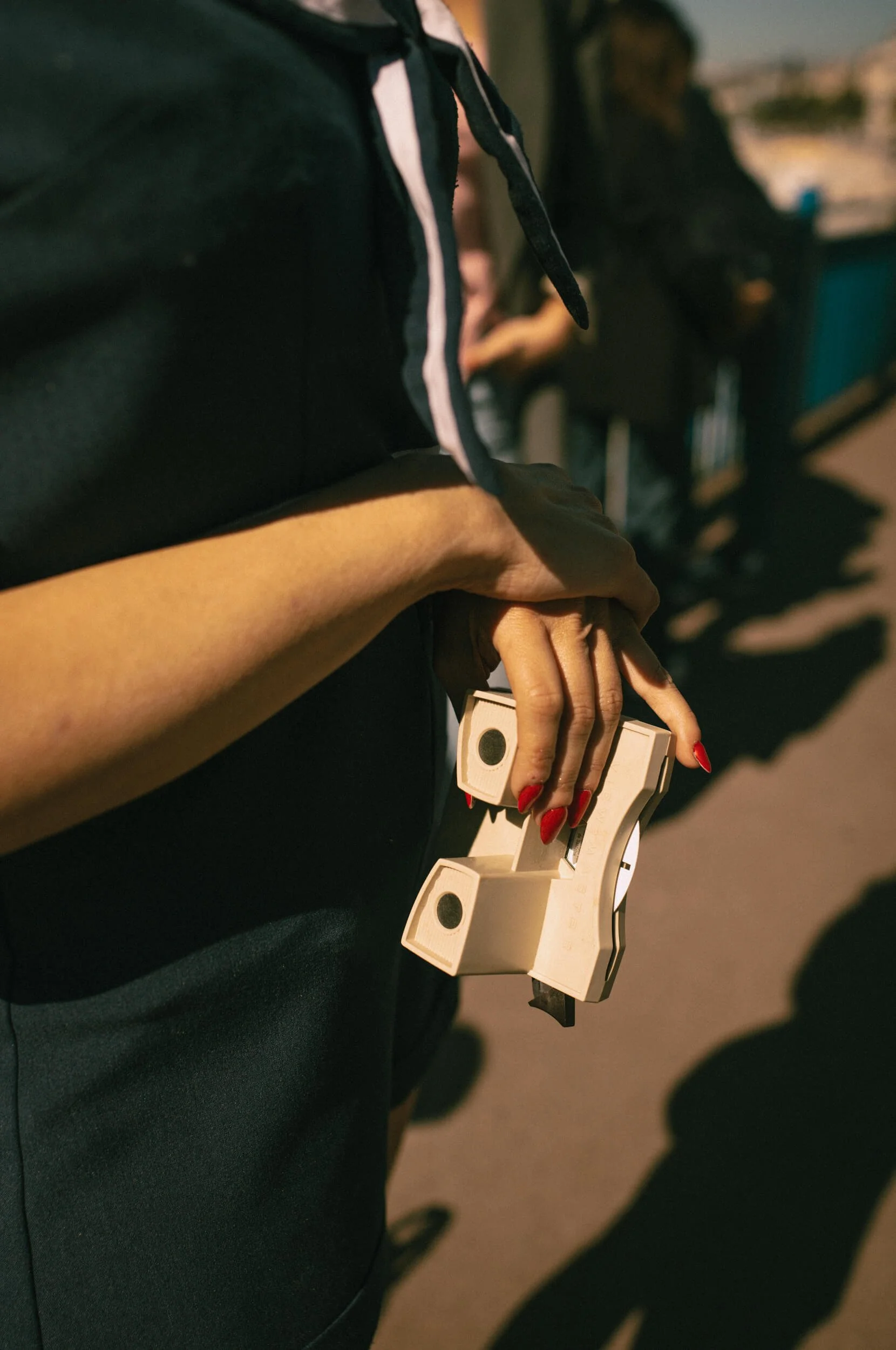
Letizia using a vintage View-Master as a prop on the Promenade des Anglais, overlooking the coastline, captured with the Thypoch Simera 28mm f/1.4 II on the Leica M11-D.
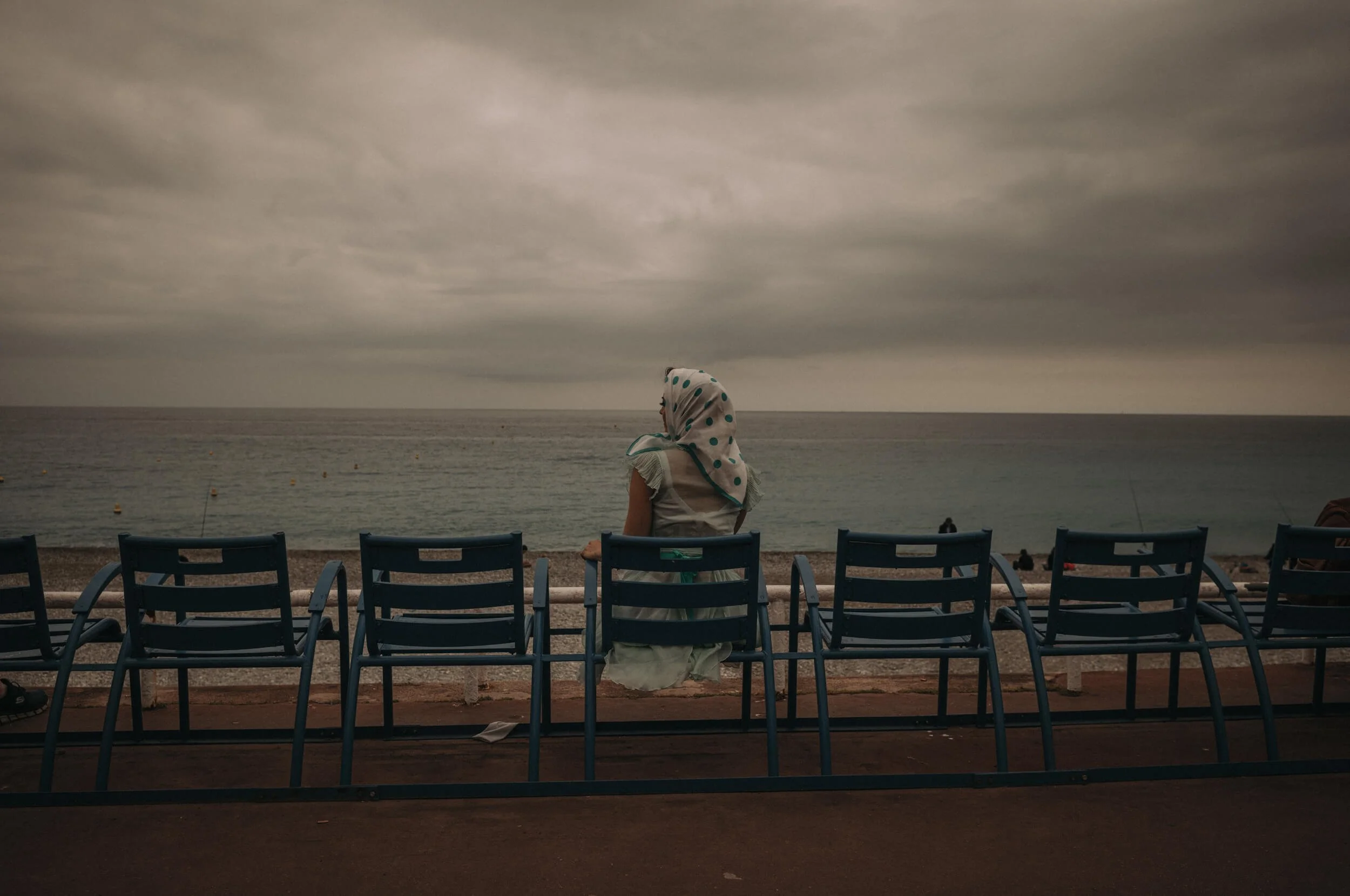
Letizia standing on the stairs leading down to the beach along the Promenade des Anglais, framed with strong lines and shadows, captured with the Thypoch Simera 28mm f/1.4 II on the Leica M11-D.
With a 50mm, I tend to isolate.
With a 75mm, I compress.
With a 28mm, I start thinking in layers.
Foreground, subject, background all become part of the same image.
It forces you to be aware of everything in the frame. You cannot hide distractions as easily, which means you have to compose more deliberately. But when it works, it creates a stronger sense of presence. The viewer is not just looking at the subject, but stepping into the scene.
For portrait work, that balance is delicate. Move too close and distortion becomes unflattering. Stay too far and the subject gets lost. Finding that distance becomes part of the process.
What I have started to notice over time is how often I reach for a 28mm in places like restaurants, bars, and hotels. I often work on location, where the setting is not just a background but part of the story. That is exactly where a 28mm becomes useful.
The combination of the focal length and the close focusing of the Simera makes it possible to emphasise those details. I can move from a wider environmental frame to something much more intimate. Hands, small accessories, objects on a table, fragments of the surroundings. These are the details I have been focusing on more and more, because they help build the narrative around the subject.
That is also why 28mm has always been my limit. It sits right on the edge between control and openness. When used carefully, it allows you to include context without losing elegance.
The Simera fits very naturally into that way of seeing. It does not exaggerate perspective unnecessarily, but it gives just enough space to build a scene around the subject.
A New Generation Looking Beyond the Smartphone
Letizia inside Harrison Opticien, surrounded by vintage objects and eyewear, captured with the Thypoch Simera 28mm f/1.4 II on the Leica M11-D.
Over the past few years, something interesting has been happening in photography. While smartphone cameras have become technically very advanced, there is also a growing interest in more tactile forms of image-making. Film photography is gaining popularity again, particularly among younger photographers who are drawn to process and character rather than perfection.
At the same time, film itself has become more expensive and less accessible, which creates a natural shift toward digital tools that still offer a sense of individuality.
Manual lenses fit perfectly into that space. They slow the process down just enough to make photography feel intentional again. They introduce interpretation instead of correction.
Accessibility also plays an important role here. Leica lenses remain a benchmark, but they come at a significant cost. For many photographers entering the M system, there is a clear demand for lenses that offer character and mechanical quality without immediately reaching that level of investment.
This is where Thypoch becomes relevant. They are not trying to replicate Leica, nor position themselves as a substitute. Instead, they are building lenses with their own identity, combining modern optical design with a rendering that feels more expressive.
The Simera 28mm f/1.4 II sits very clearly in that space.
The price was never the reason I chose this lens, but it does make it accessible to a much wider group of photographers.
First Impressions & Handling the Thypoch Simera 28mm f/1.4 II
The Simera 28mm f/1.4 II in silver immediately feels like a well-built tool. The full metal construction and anodized aluminium finish give it a clean, classic appearance. While I personally have a soft spot for brass, the aluminium keeps the weight balanced and practical for daily use.
The design leans into a vintage-inspired aesthetic without feeling forced. It integrates naturally on an M body. One detail I am personally less drawn to is the depth-of-field scale, which reminds me somewhat of the markings found on the Alpa Macro-Elmar. It does not affect usability, but visually it feels slightly less refined compared to the rest of the design.
Handling is where the Simera 28mm really comes together.
The combination of a traditional knurled focusing ring and a crescent-shaped focus tab offers the best of both worlds. The knurling provides precision and tactile feedback, while the tab allows for fast, intuitive focusing with one finger. It feels mechanical in a very satisfying way.
The aperture ring has firm, well-defined clicks and can also be declicked if needed, which adds flexibility for video use. Focusing is smooth with a slightly firm resistance, and when moving past 0.7 meters, the lens provides a subtle tactile indication that you are entering the close-focus range.
Up to 0.7 meters, focusing works through the rangefinder. Beyond that, live view or an EVF becomes necessary, which is typical for lenses offering extended close focus. On mirrorless systems, the full focusing range can be used seamlessly.
Compared to the original version, the Type II removes the infinity lock. Personally, that never bothered me on vintage lenses, but I understand why Thypoch made this change. It simplifies the focusing experience, especially for photographers who are newer to manual lenses.
The lens comes as a complete package with a metal front cap, a dedicated metal hood, and an additional cap for use with the hood attached. It reflects a level of attention to detail that feels considered and mature.
Rendering & Character
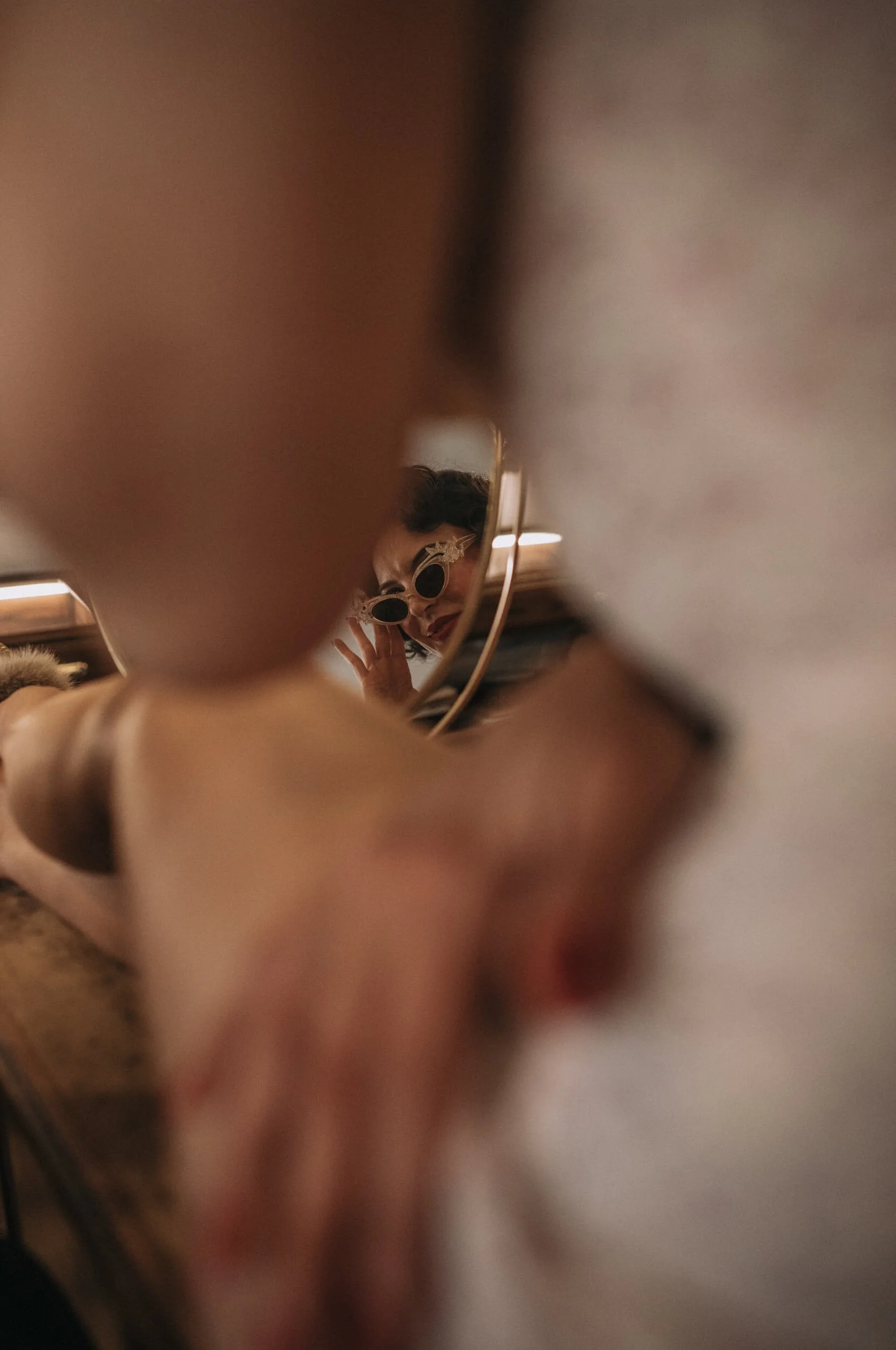
Letizia trying on vintage sunglasses inside Harrison Opticien, photographed with the Thypoch Simera 28mm f/1.4 II on the Leica M11-D.
Close-up of a vintage cash register inside Harrison Opticien, photographed with the Thypoch Simera 28mm f/1.4 II on the Leica M11-D, highlighting detail rendering and close focusing capability.
This is where the Thypoch Simera 28mm f/1.4 II becomes truly interesting.
Wide open at f/1.4, the rendering is not clinical. There is a slight softness, particularly toward the edges, combined with natural vignetting. The centre remains strong and detailed, but the overall image feels more interpretive than analytical.
The color rendering leans slightly warm, with a subtle yellow vintage tone. For my work, this is actually a very nice starting point. I often reduce yellow and orange tones locally in post to refine skin tones, but the base rendering already carries a cinematic quality.
The falloff from focus to blur is smooth and natural. The bokeh is present but never distracting, allowing the subject to separate without feeling artificially isolated. In some ways, it reminds me of the rendering of the Summarit-S 35mm f/2.5, where separation feels gentle rather than exaggerated.
Stopped down to f/2.8 or f/4, the lens gains definition while maintaining its character. It never becomes overly sharp or clinical, which is exactly what I prefer.
Flare, Grain and Aesthetic Choices
Letizia photographed on a sunlit street in Nice with visible natural flare, shot using the Thypoch Simera 28mm f/1.4 II on the Leica M11-D without a lens hood.
I rarely use a lens hood, and I did not use one here either.
Some of the images include visible flare, which is intentional. I like working with light in a more organic way, allowing flare to become part of the image rather than something to eliminate.
You might also notice grain in some images. This is added deliberately, just like the slightly muted colors and reduced contrast. These choices are part of my visual language and how I shape atmosphere in my work.
The Simera works naturally within that approach. It supports it.
Taking the Simera 28mm to Nice
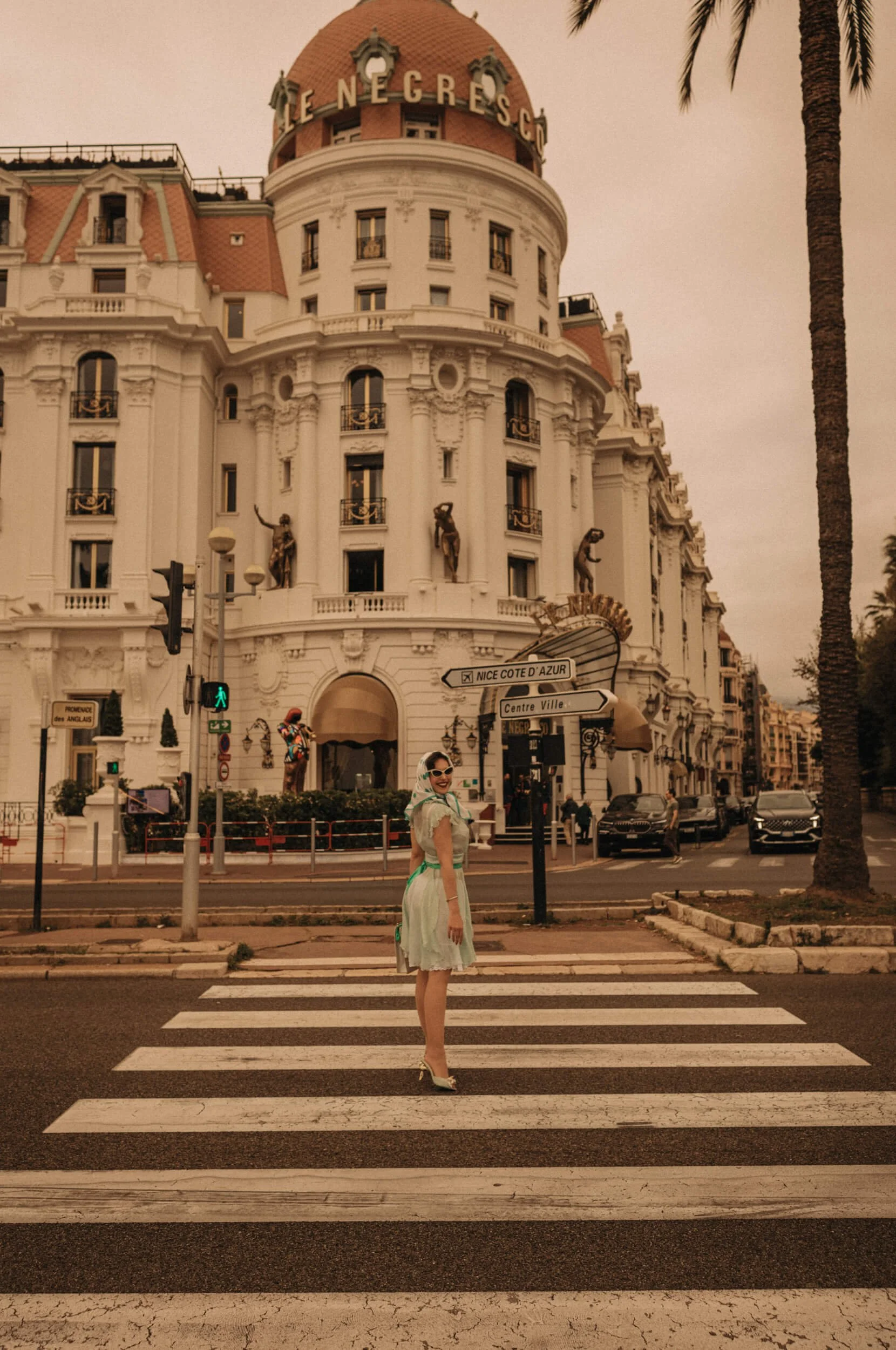
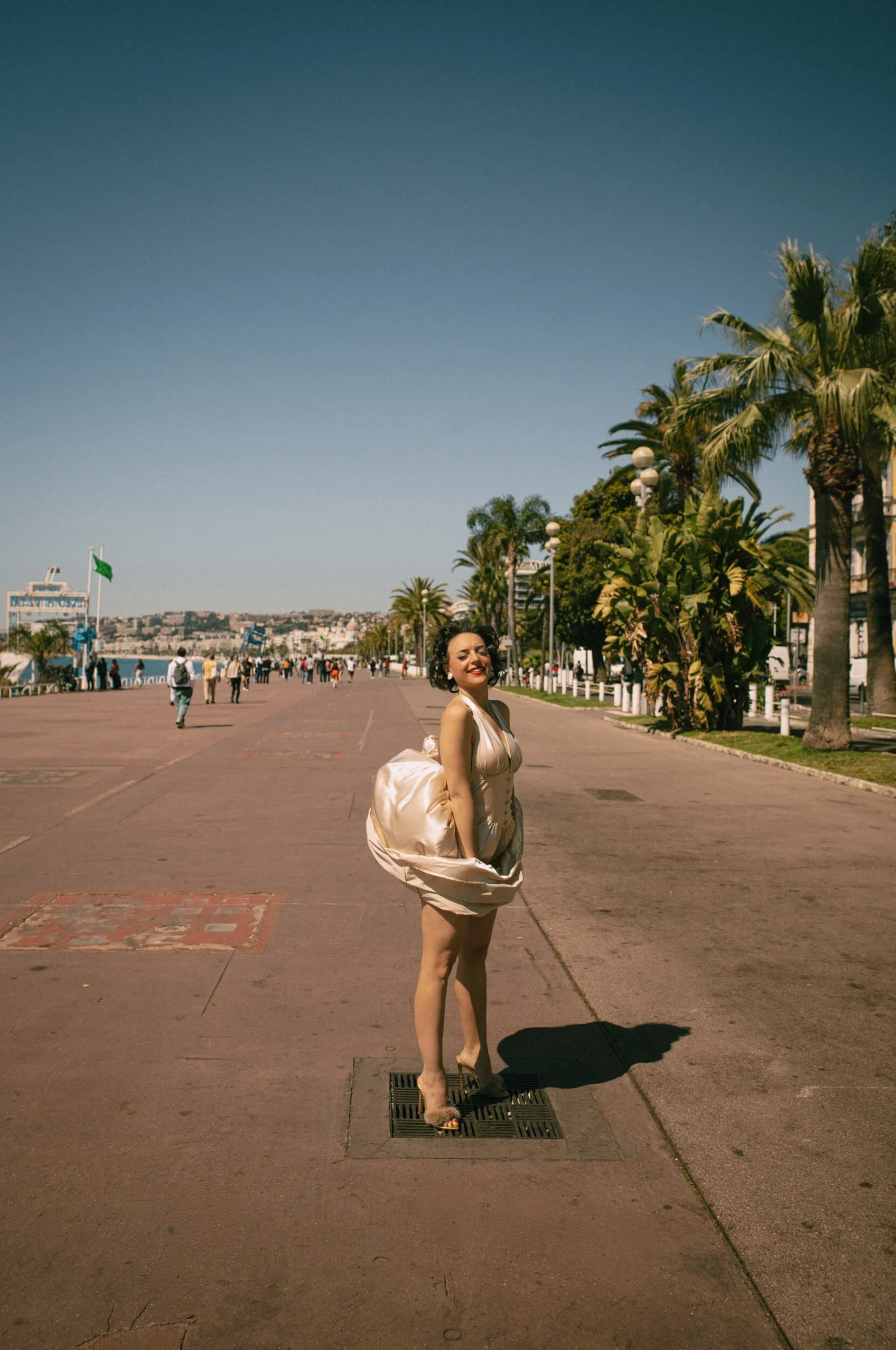
Letizia photographed on the Promenade des Anglais in Nice with Hotel Negresco in the background, captured using the Thypoch Simera 28mm f/1.4 II on the Leica M11-D, combining subject and environment in a single frame.
After having gear stolen in Italy, I became much more conscious about what I bring on trips. Even for important shoots, I now prefer a lighter, more balanced setup that allows me to focus on the work rather than the equipment.
For Nice, I kept things simple: a 28mm, a 50mm, and a 75mm.
The 28mm became the foundation of the setup. In a place like Nice, where architecture, interiors, and open spaces all play an important role, that slightly wider perspective makes a real difference. It allows me to include more of the environment without losing the intimacy I look for in portraits.
At the same time, the f/1.4 aperture still allows for subject separation when needed, which adds flexibility without changing lenses.
Most of the images were shot using natural light or available light within the space. I travelled with minimal lighting, occasionally using small LED lights, but often relying on what was already there.
One of my favourite images of Letizia was taken on the Promenade des Anglais, standing at a crossing with Hotel Negresco in the background. It captures exactly what I look for: subject and environment working together, without one overpowering the other.
We also worked inside smaller spaces, including a sunglasses shop, where the 28mm made it possible to capture full compositions that would have been difficult with a longer focal length.
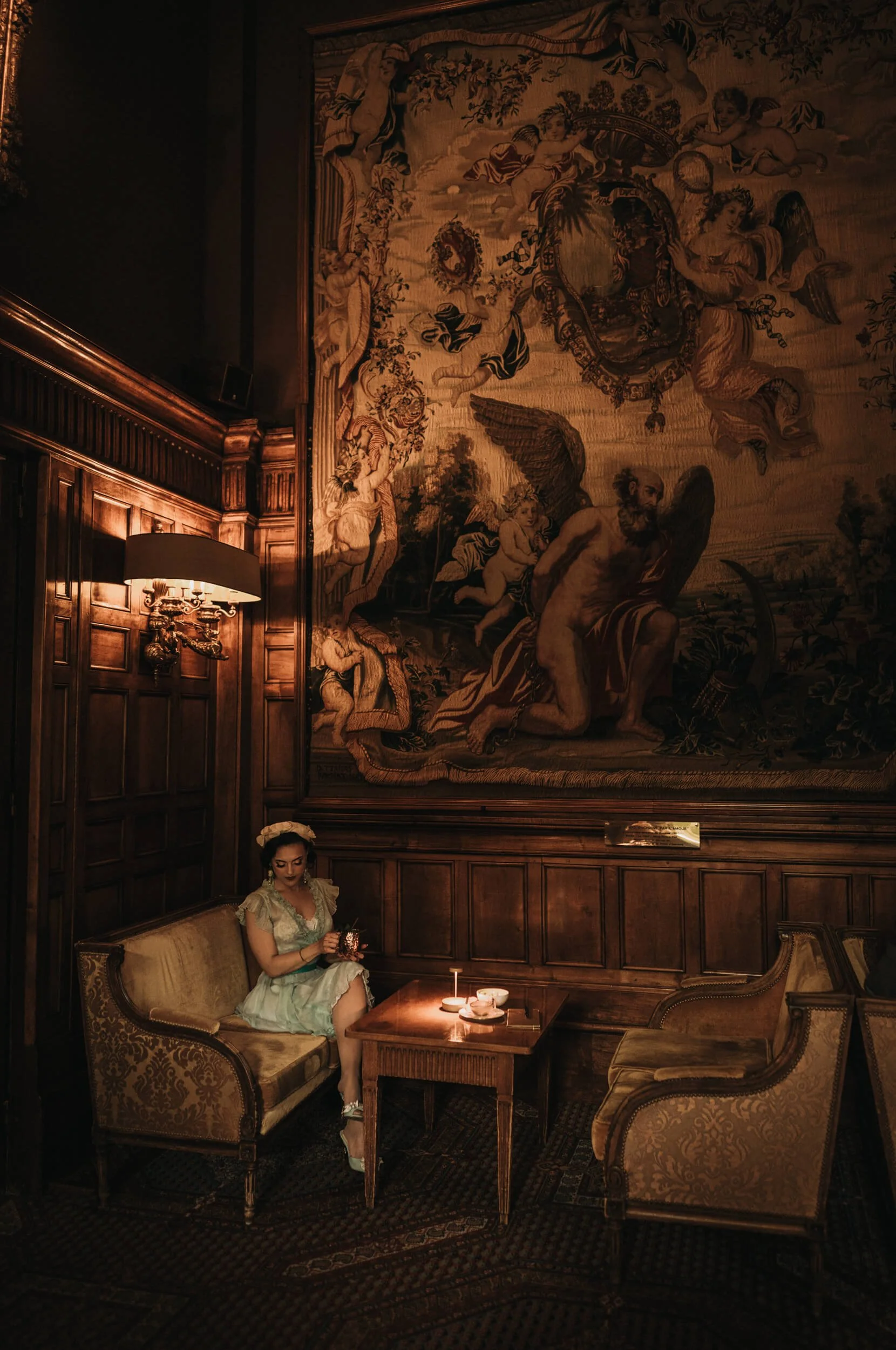
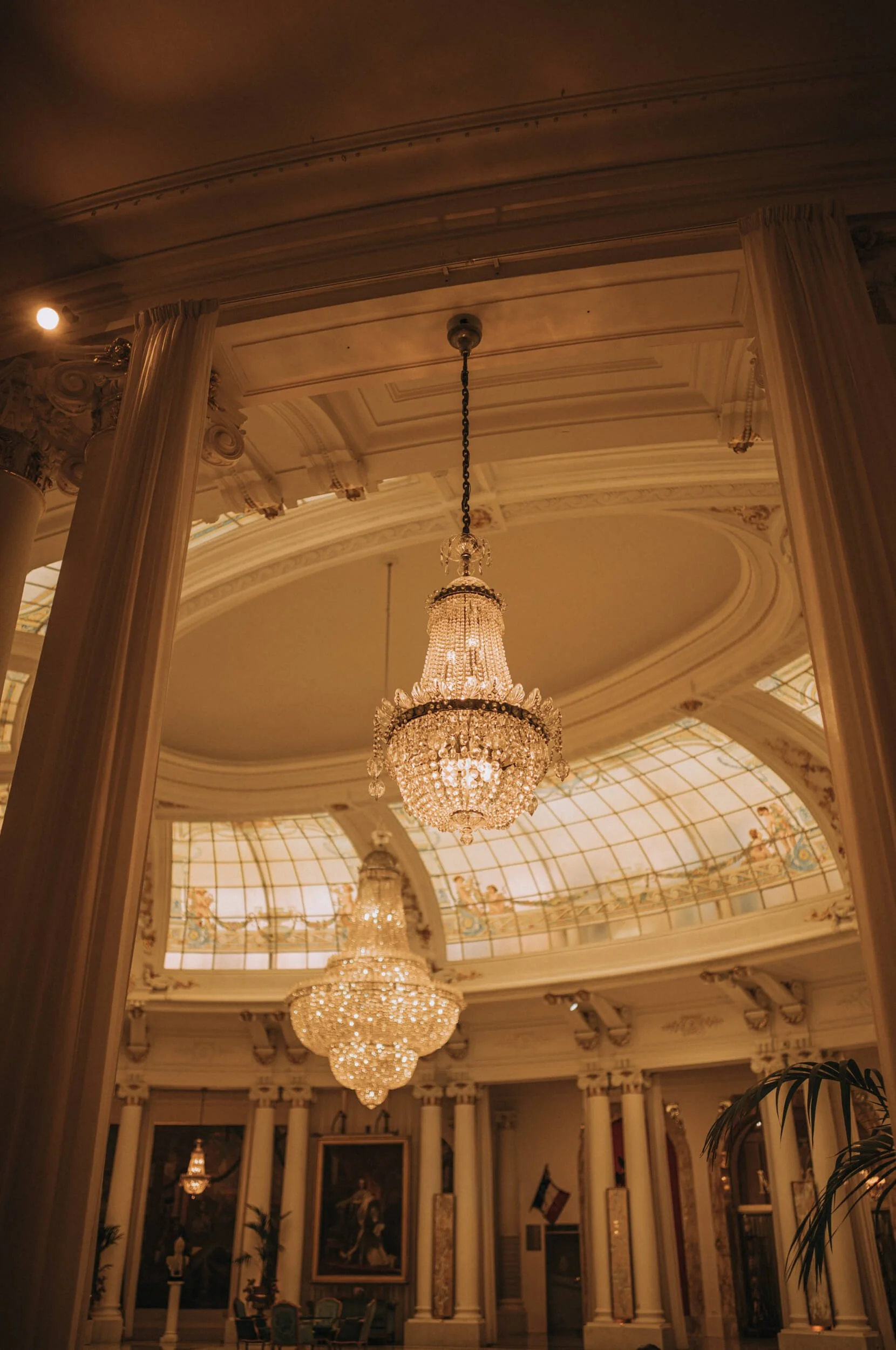
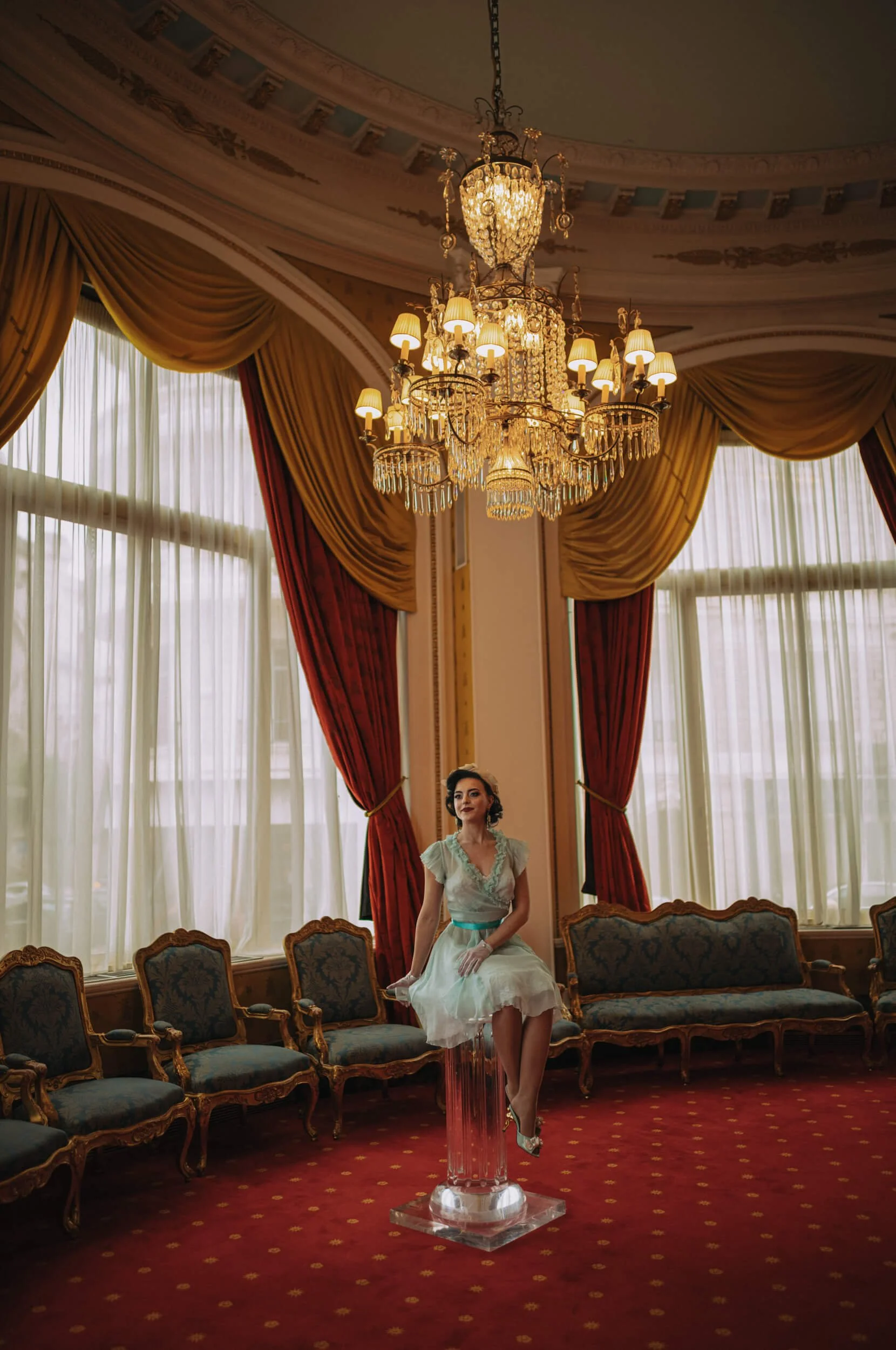
Image Gallery — Thypoch Simera 28mm f/1.4 II in Nice
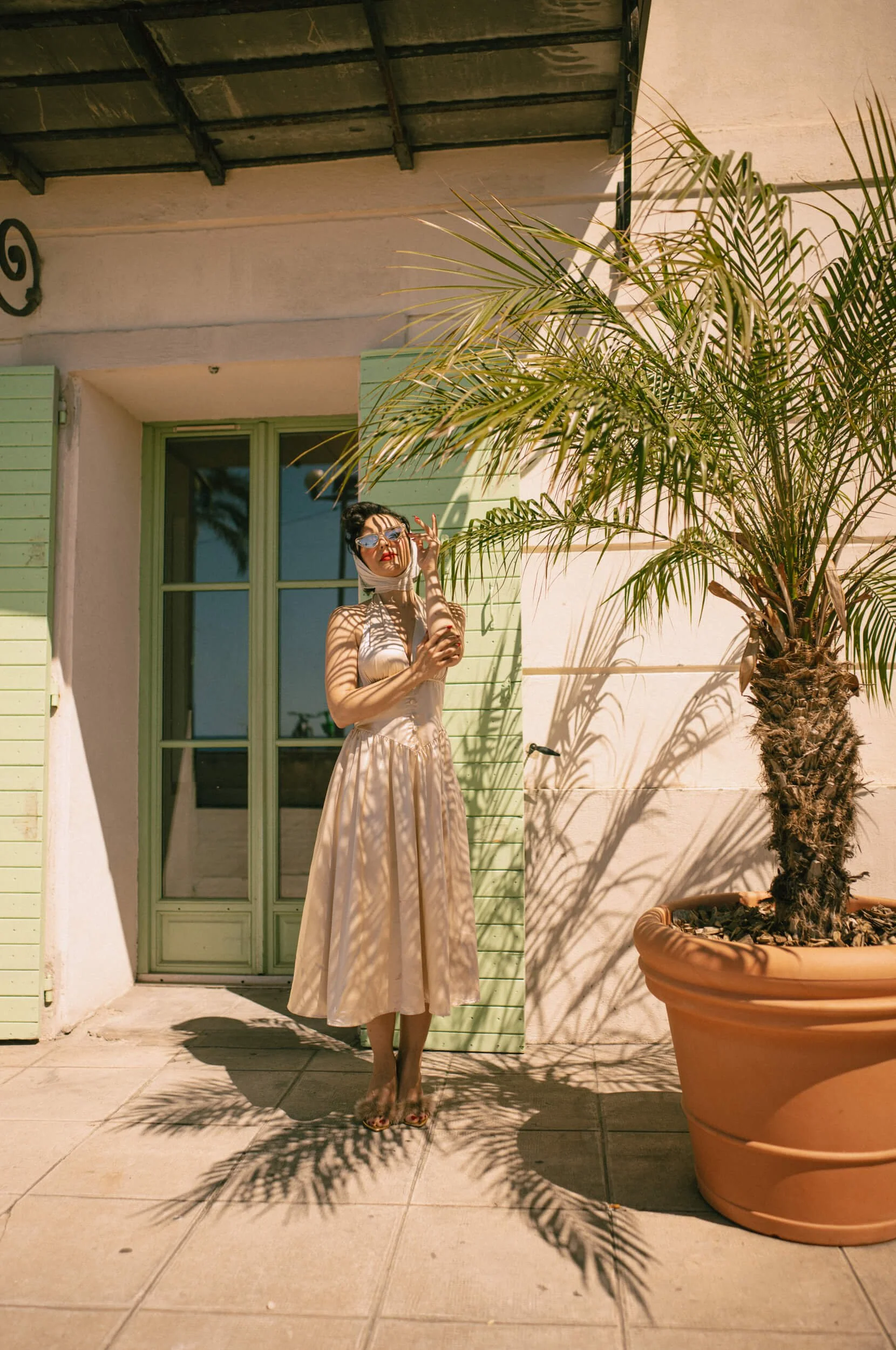
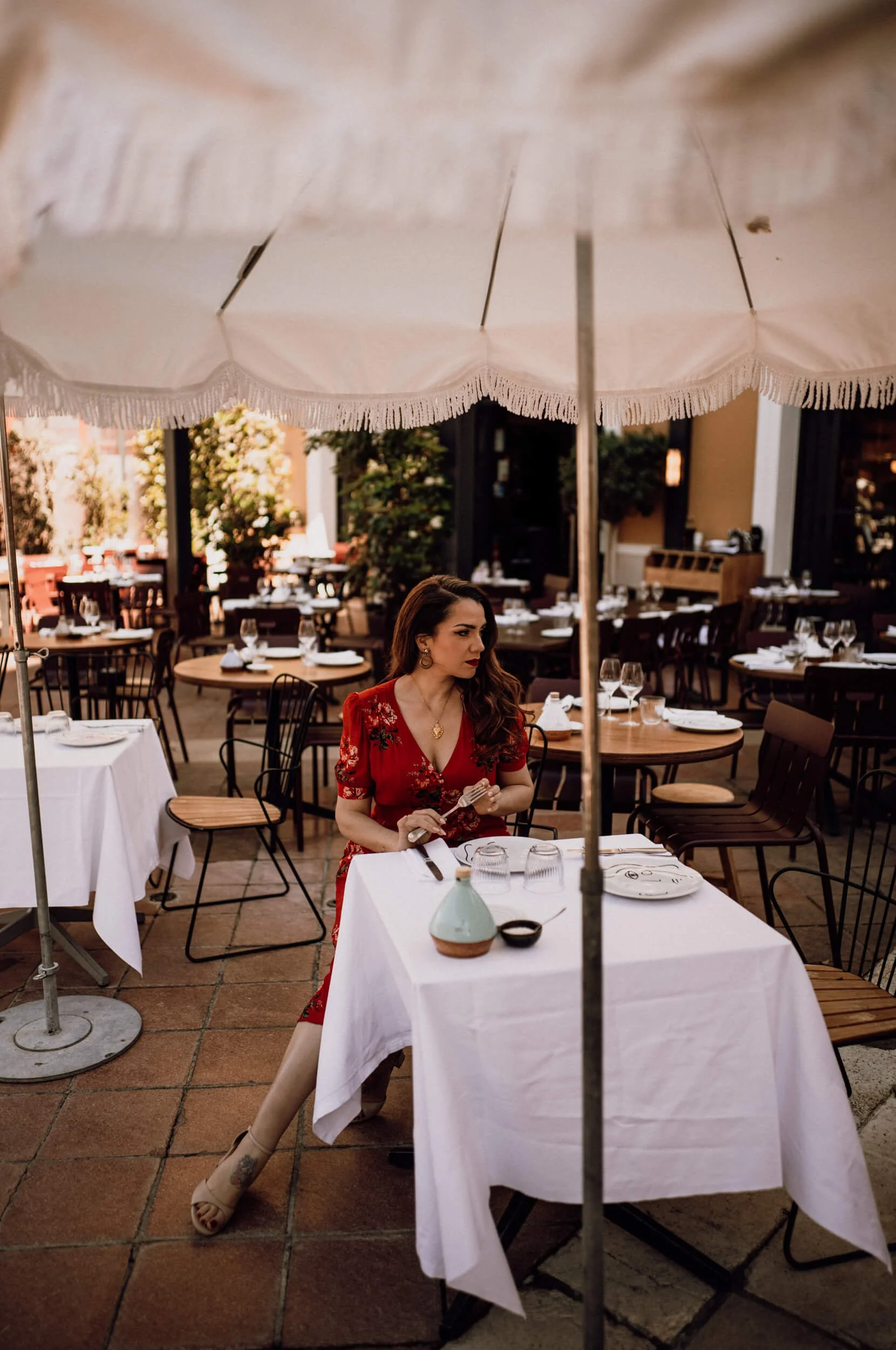
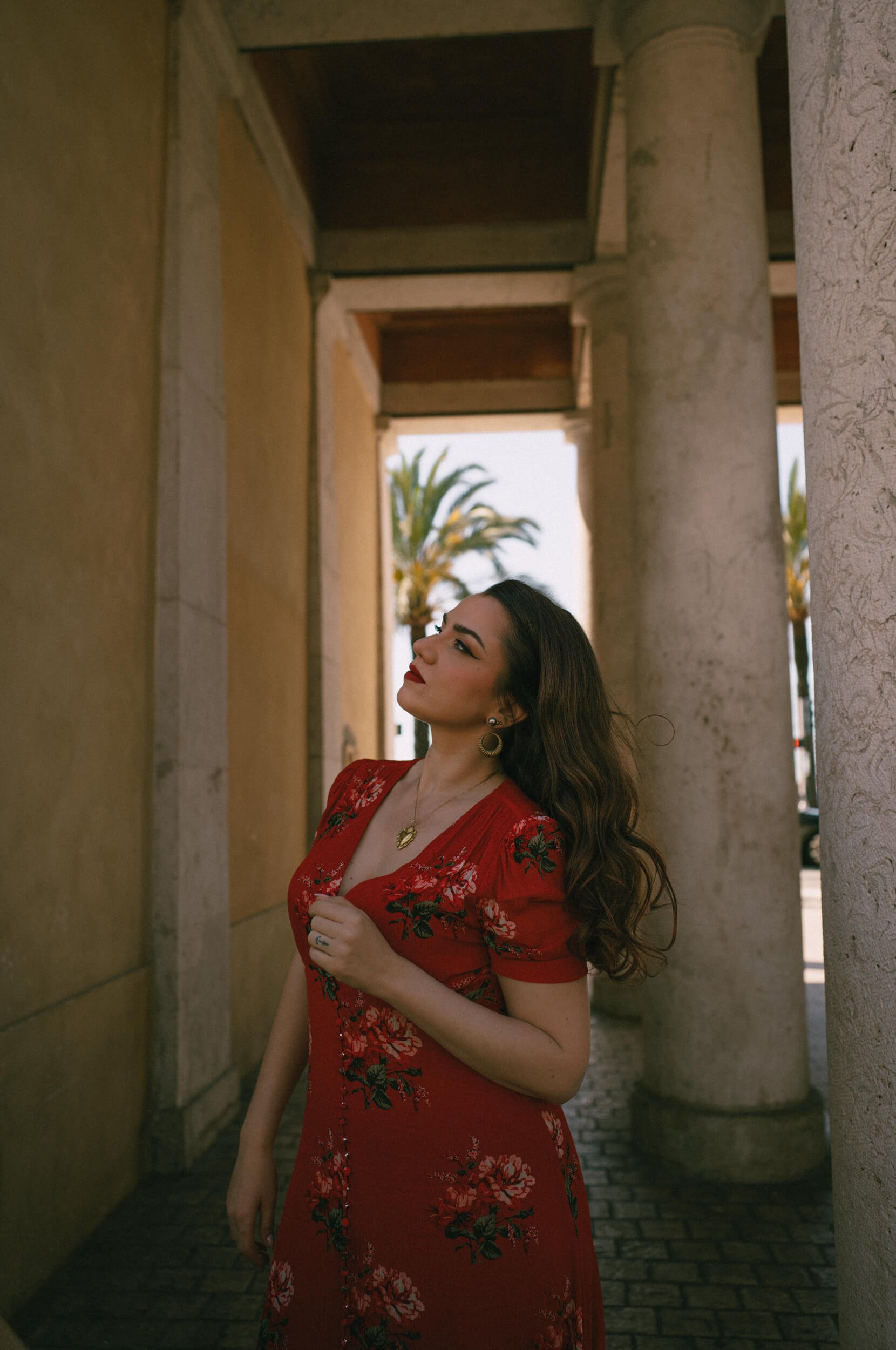
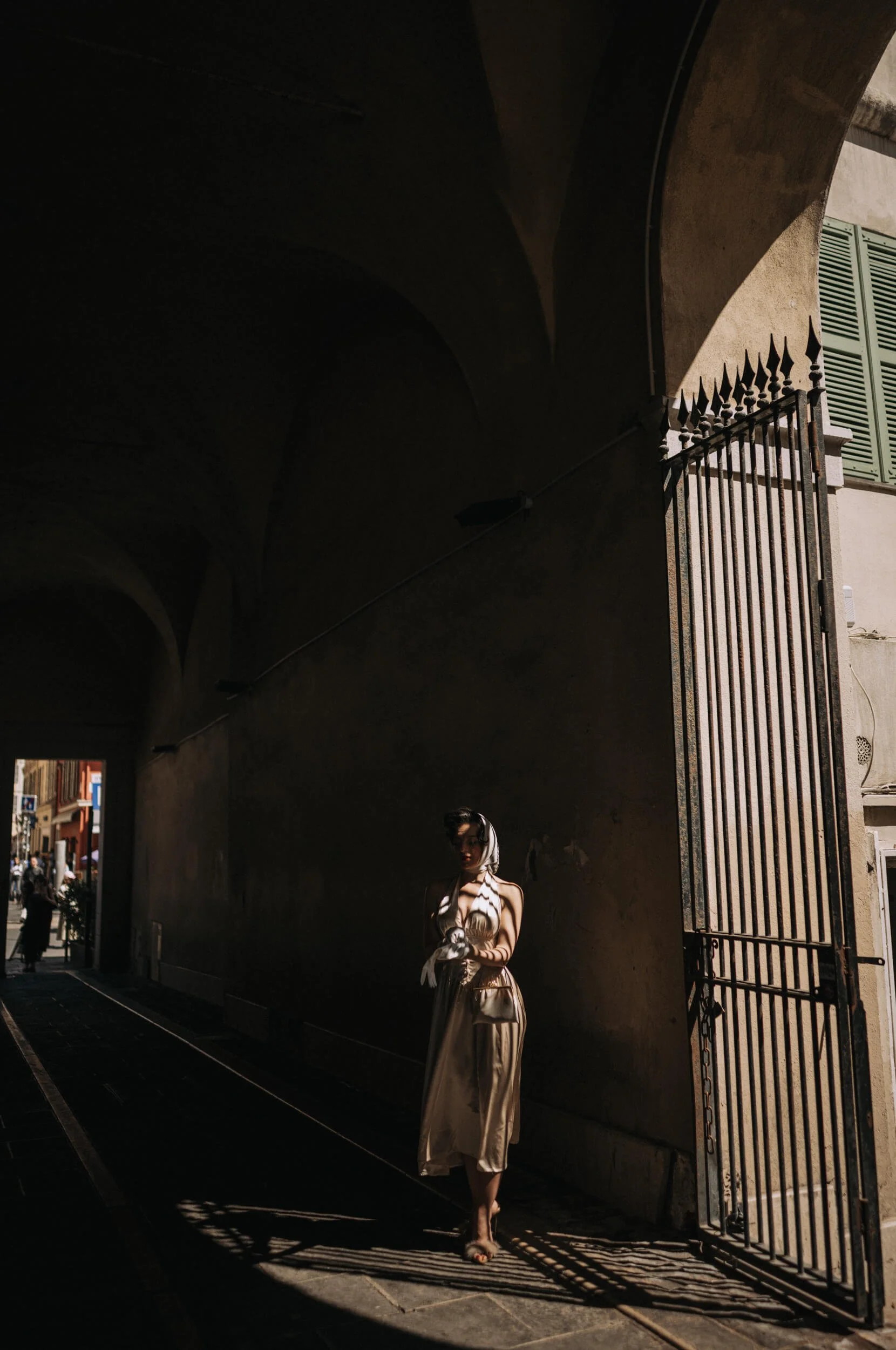
A selection of images created with the Simera 28mm f/1.4 II in Nice:
Real World Use
Letizia standing in the grand interior of Hotel Negresco, photographed with the Thypoch Simera 28mm f/1.4 II on the Leica M11-D, showcasing symmetry, depth, and environmental storytelling.
The Simera 28mm f/1.4 felt natural almost immediately.
It works for streets, interiors, environmental portraits, and even smaller details when needed. It is probably the widest focal length I would consistently use, and in that sense, it fits perfectly into my workflow.
Compared to the Ksana 21mm, which feels more like a specialty lens for specific projects, the Simera 28mm feels like something I can rely on more regularly.
Combined with a 50mm and a 75mm, it creates a very complete and balanced setup.
Letizia seated in the bar of Hotel Negresco, quietly reading a menu, photographed with the Thypoch Simera 28mm f/1.4 II on the Leica M11-D, capturing a soft, intimate atmosphere.
Conclusion
Letizia in the grand hall of Hotel Negresco beneath the iconic chandelier, photographed with the Thypoch Simera 28mm f/1.4 II on the Leica M11-D, capturing scale, atmosphere, and cinematic depth.
At times, the images created with this lens started to feel almost like paintings. Not because of technical perfection, but because of how light falls, how colors interact, and how the scene comes together as a whole. Most of these were shot with natural light or simply the light available in the room. I wanted to travel light in Nice, and this lens allowed me to do exactly that without feeling limited.
What I also noticed during this process is that I have started to think more in 28mm. It has become a natural complement to my 50mm and 75mm, not replacing them, but supporting them. Where the 50 and 75 isolate and refine, the 28 builds the scene. It gives context, atmosphere, and space.
For me, this is a storytelling lens.
A Milan lens.
It is not overly sharp, but it is sharp where it matters. The falloff is beautiful, the bokeh is smooth and never distracting, and at f/1.4 it still allows for subject separation when needed. The close focusing adds another layer, making it possible to move into details and surroundings without breaking the flow of a shoot.
The color rendering leans slightly warm, with that subtle vintage yellow tone that I personally enjoy as a starting point.
More importantly, it is a lens that makes me want to pick up a camera. It invites use, fits naturally into my way of working, and has earned a place as a standard part of my portrait kit.
Yes, I would definitely recommend it. More importantly, it’s a lens I want to keep using.
For anyone looking for a 28mm that combines character, flexibility, and strong real-world performance without becoming overly clinical or overly expensive, this is a very compelling option.
Interested in the Thypoch Simera 28mm?
If this lens resonates with you, you can try the Thypoch Simera 28mm here:
You can use my referral link to get 10% off your purchase:
👉 https://store.thypoch.com/?ref=MILANSWOLFS
Or, if you prefer, you can use this coupon code at checkout to get 5% off:
MILANSWOLFS
Using either helps support my projects and future reviews. Thank you.
Thank You
Thank you Mag from Thypoch for the conversations and insights.
Florence Agrati for the modelling, the creative input and locations.
Letizia for modelling and bringing the Riviera atmosphere to life.
Frances Folies for makeup.
About Milan Swolfs
Milan Swolfs is a fine art portrait photographer from Antwerp, Belgium, renowned for his distinctive blend of burlesque and vintage aesthetics. His work channels the timeless Hollywood glamour of the 1920s and 1930s, capturing both men and women in bold yet elegantly refined portraits.
Beginning his career photographing Europe’s largest burlesque events, Milan later transitioned into fine art photography. As an ambassador for Leica Camera and Harlowe Creators, his work has been featured in LFI (Leica Fotografie International), Medium Format Magazine, and Viewfinder. In 2022, he debuted his solo exhibition, Light of Seduction, at the Leica Store in Porto. Most recently, from late 2024 to early 2025, his latest exhibition, Echoes of Elegance: A Timeless Journey, was showcased at the Leica Store Beaumarchais in Paris.
Milan’s portraits celebrate individuality and classic beauty, reviving the charm and allure of a bygone era.
