
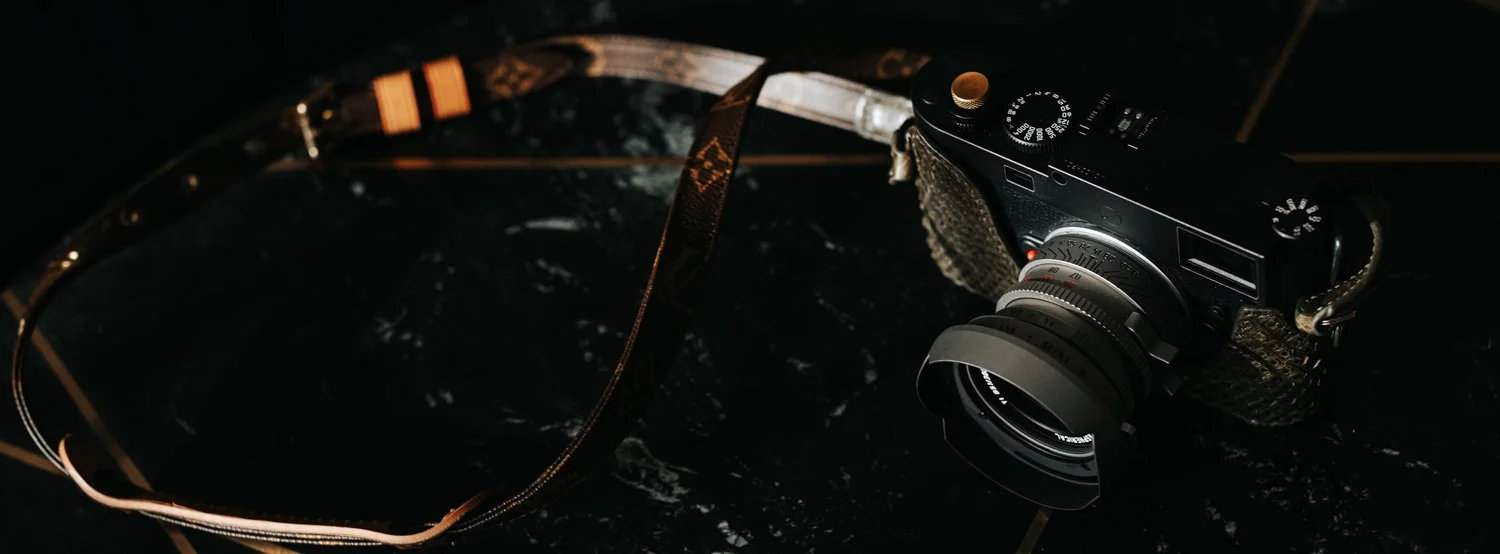
ByMilan Swolfs
I have used many of the Light Lens Lab lenses over the years. Or LLL, as most of us call them. What they are doing is quite special. They are bringing some of the most iconic classic lenses back to life, not as lifeless replicas, but as lenses that actually invite you to shoot.
I was fortunate enough to have owned the original Leica 35mm Summilux-M f/1.4 Double Aspherical. A lens with an almost mythical reputation. Difficult to make, rare, and today often treated more like a collector’s artifact than a photographic tool. Many of these lenses live quiet lives in dry cabinets, never seeing daylight. When I still owned mine, I did use it, carefully of course, but I believe lenses are meant to be used.
I also own the Leica 35mm Steel Rim, both the original version and the black limited edition. Clearly, I have a soft spot for 35mm lenses with character.
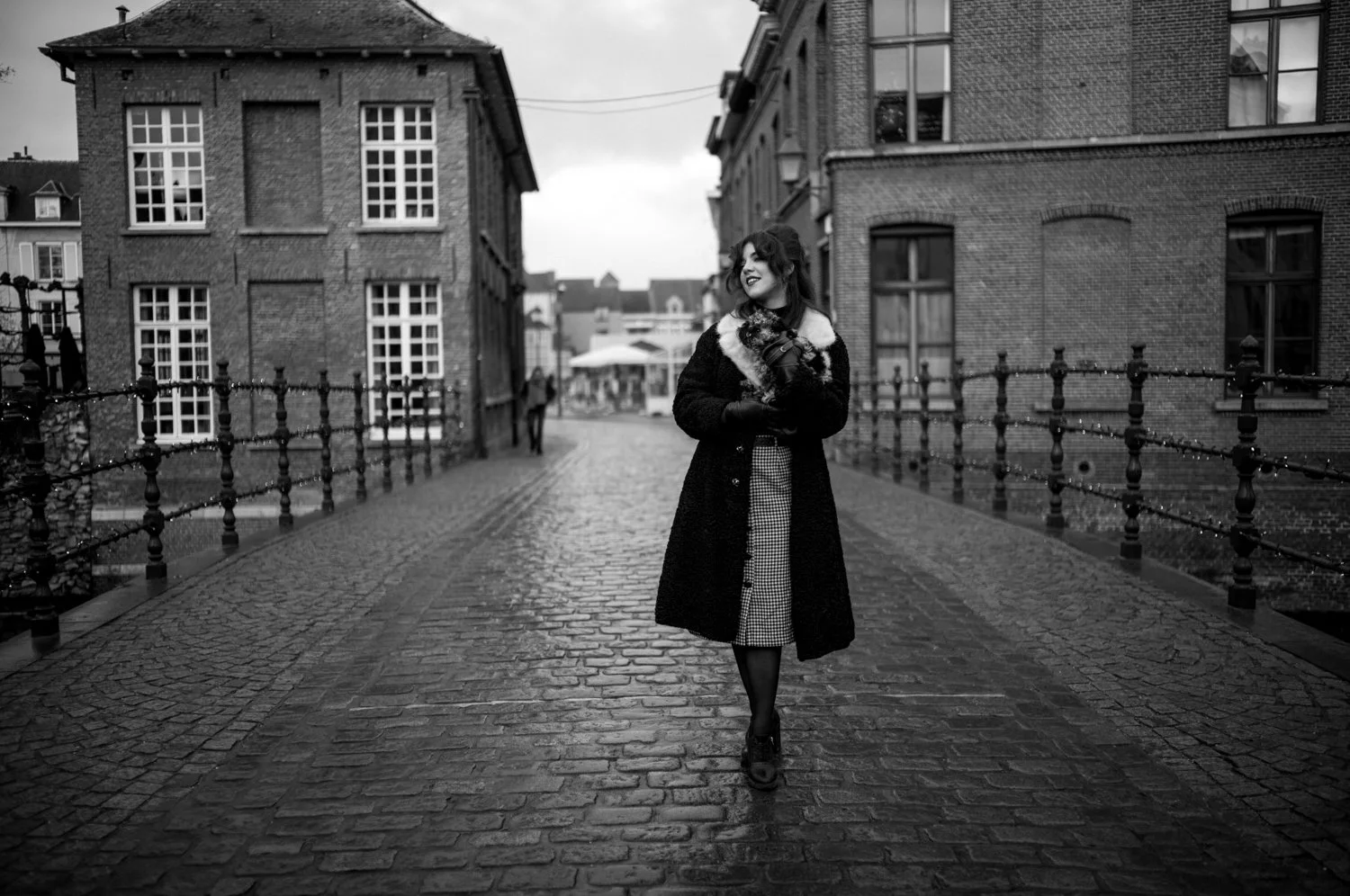
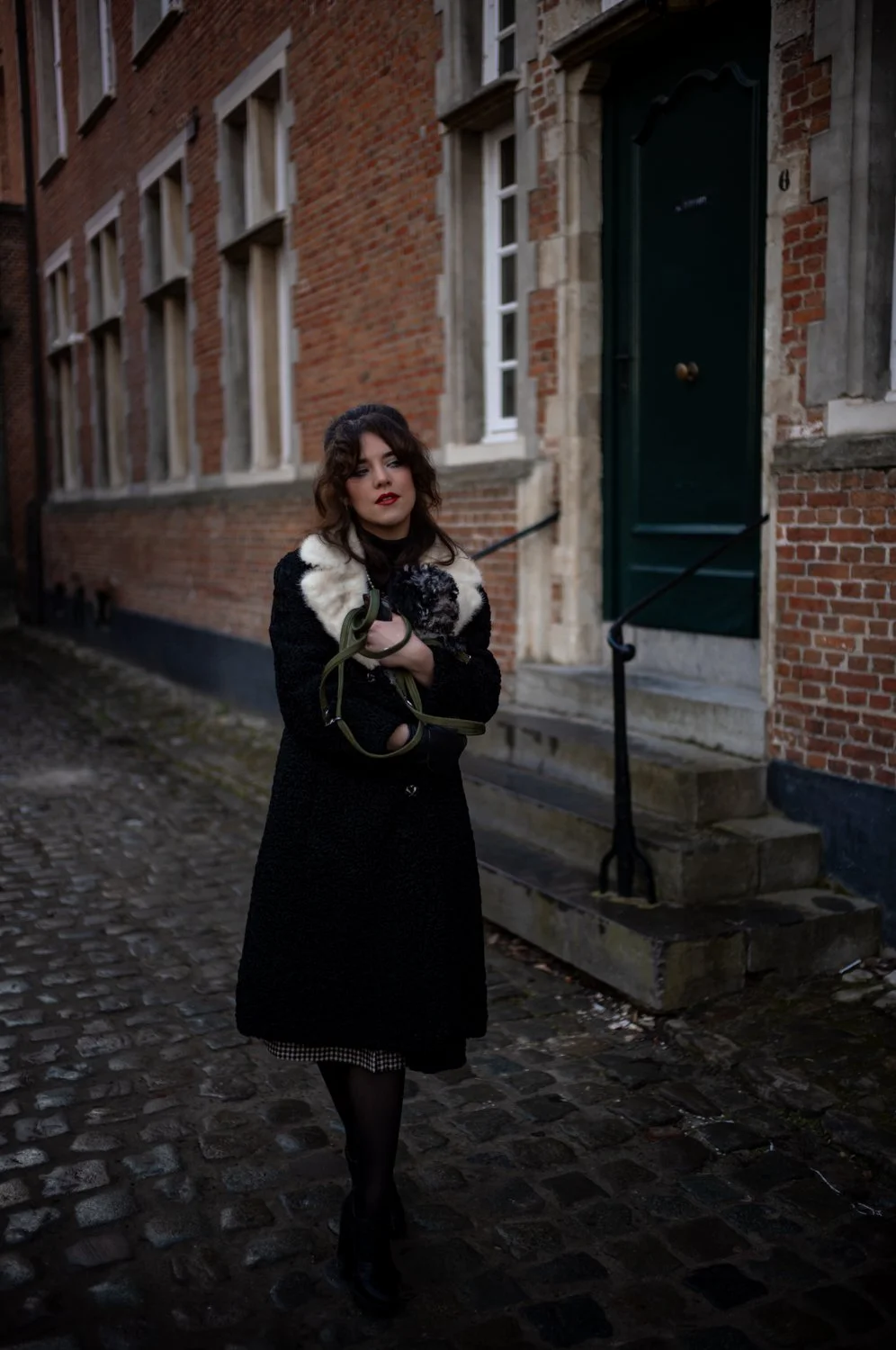
Jennifer, LLL 35mm f1.4 on Leica M11 Monochrom by Milan Swolfs
The Double Aspherical Legacy

Alongside this section, I have included a photograph taken with the original Leica 35mm Summilux-M f/1.4 Double Aspherical on the Leica M10-R. This image perfectly illustrates why this lens has achieved such a legendary status.
Look closely and you will notice the soft sharpness in the eye, the muted and gentle skin tones, and the subtle green color palette. The background shows a soft, slightly swirly bokeh that gives the image a painterly feeling, without becoming distracting or overdone. It is expressive, but controlled.
Compared to the 35mm Steel Rim, which can be more pronounced and sometimes more dramatic in its rendering, the Double Aspherical feels more balanced. For my taste, it is also more pleasant to the eye, especially for portraits. It has character, but it never overwhelms the subject.
This is also where, for me, the Double Aspherical clearly separates itself from the current production Leica 35mm Summilux ASPH FLE, both Version I and Version II. The FLE lenses are excellent from a technical standpoint. They are sharper, more corrected, and more consistent across the frame. But that perfection comes at a price. Many photographers, myself included, prefer the rendering of the Double Aspherical. It is not as sharp, but it is far more forgiving with skin, transitions, and expression. For portrait work, I find it simply more beautiful.
The original Leica 35mm Summilux-M f/1.4 Double Aspherical, also known as Version III and produced between 1990 and 1994 under model number 11873, has reached almost mythical status today. Prices now typically range between €10,000 and €25,000, depending on condition.
This value is not driven by optical superiority alone, but by rarity. Only around 2,000 pieces were ever produced. Over time, that scarcity pushed the lens deep into collector territory.
What truly defines the AA goes beyond price and numbers. The lens uses hand-ground aspherical elements, which means no two copies are exactly the same. Each lens renders slightly differently. That individuality gives it a personality that modern, industrially perfected lenses often lack. There is a familiarity that grows when using such a lens, knowing it was shaped by human hands rather than automated processes.
Even the accessories have become collector objects. The original Leica 12587 lens hood alone now sells for €2,500 to €5,000, depending on condition and whether the original box is included. That alone says a lot about how far this lens has moved away from everyday use and into legend status.
Leica did later produce a titanium version of the 35mm Summilux f/1.4, but this belonged to the Summilux-M ASPH Version IV, introduced after the Double Aspherical era. While an excellent lens, it is a completely different optical design and should not be confused with the original AA.
This context matters, because the mystique of the Double Aspherical is tied specifically to that short production run, its hand-ground optics, and its unmistakable rendering.
Light Lens Lab’s Interpretation
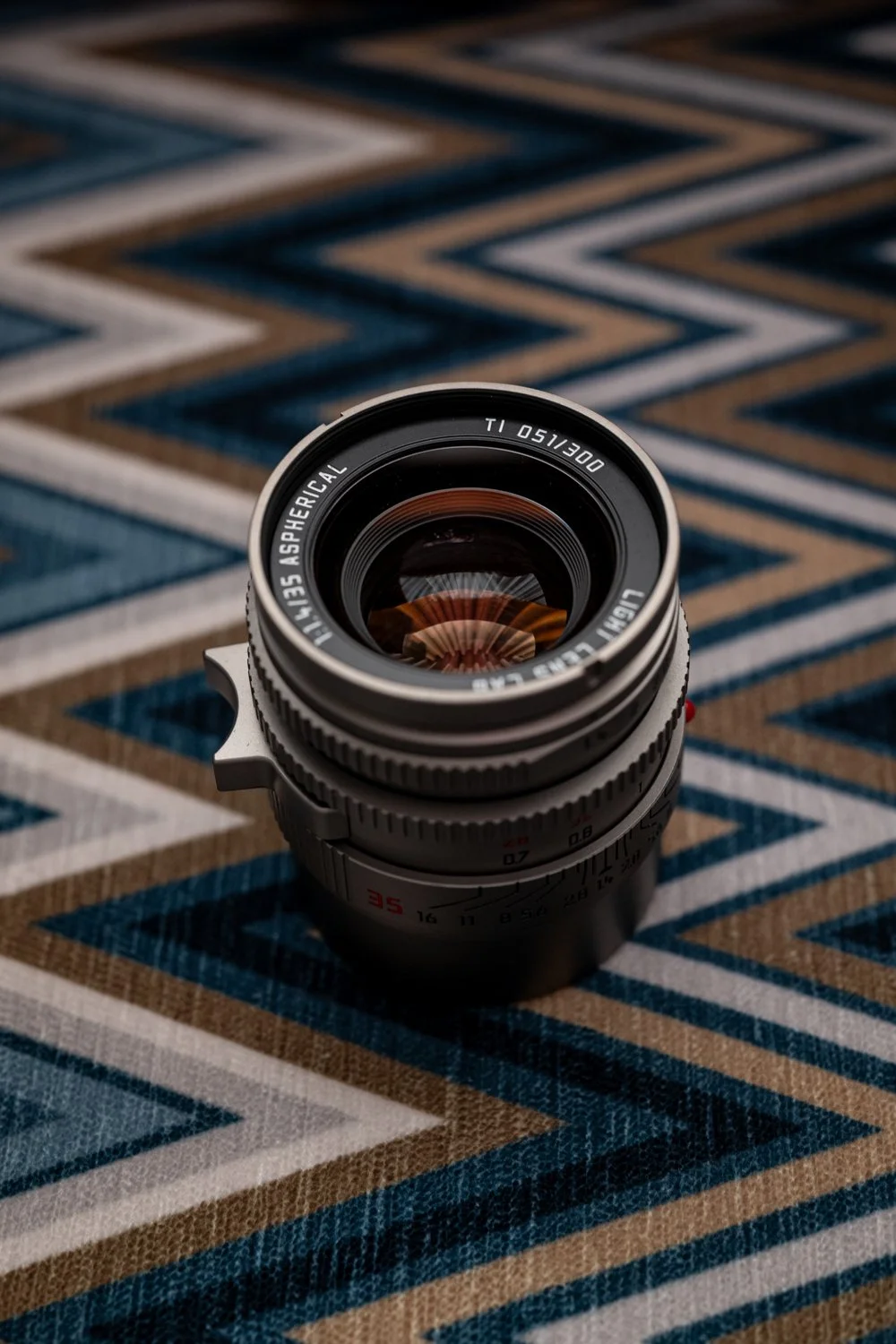
Recreating a double-aspherical lens is extremely difficult. You are not just copying an optical formula, you are trying to recreate a feeling.
The Light Lens Lab 35mm f/1.4 Aspherical is clearly a homage to one of the most important lenses in Leica history, but it is not a simple copy. The lens is optimized for modern high-resolution digital sensors while preserving the essence of what made the original AA special.
A combination of precision-molded and manually polished aspherical elements allows for improved consistency without stripping away character. Newly developed extra-low dispersion and achromatic elements help control distortion and chromatic aberrations, especially when shooting wide open.
What I appreciate most is that the controlled glow at f/1.4 is still there. That atmospheric softness feels intentional and expressive rather than corrective. This lens is not trying to be perfect.
Everything is done in-house, from optical design to mechanical parts and final assembly. This level of control is evident in both build quality and coherence. Nothing feels compromised.
Why 35mm and Why Titanium
For my portraits, I still mostly reach for a 50mm. It is my natural way of seeing. Over time, however, 35mm and wider lenses have really grown on me and have become a standard part of my kit. They allow more context and story while still keeping intimacy.
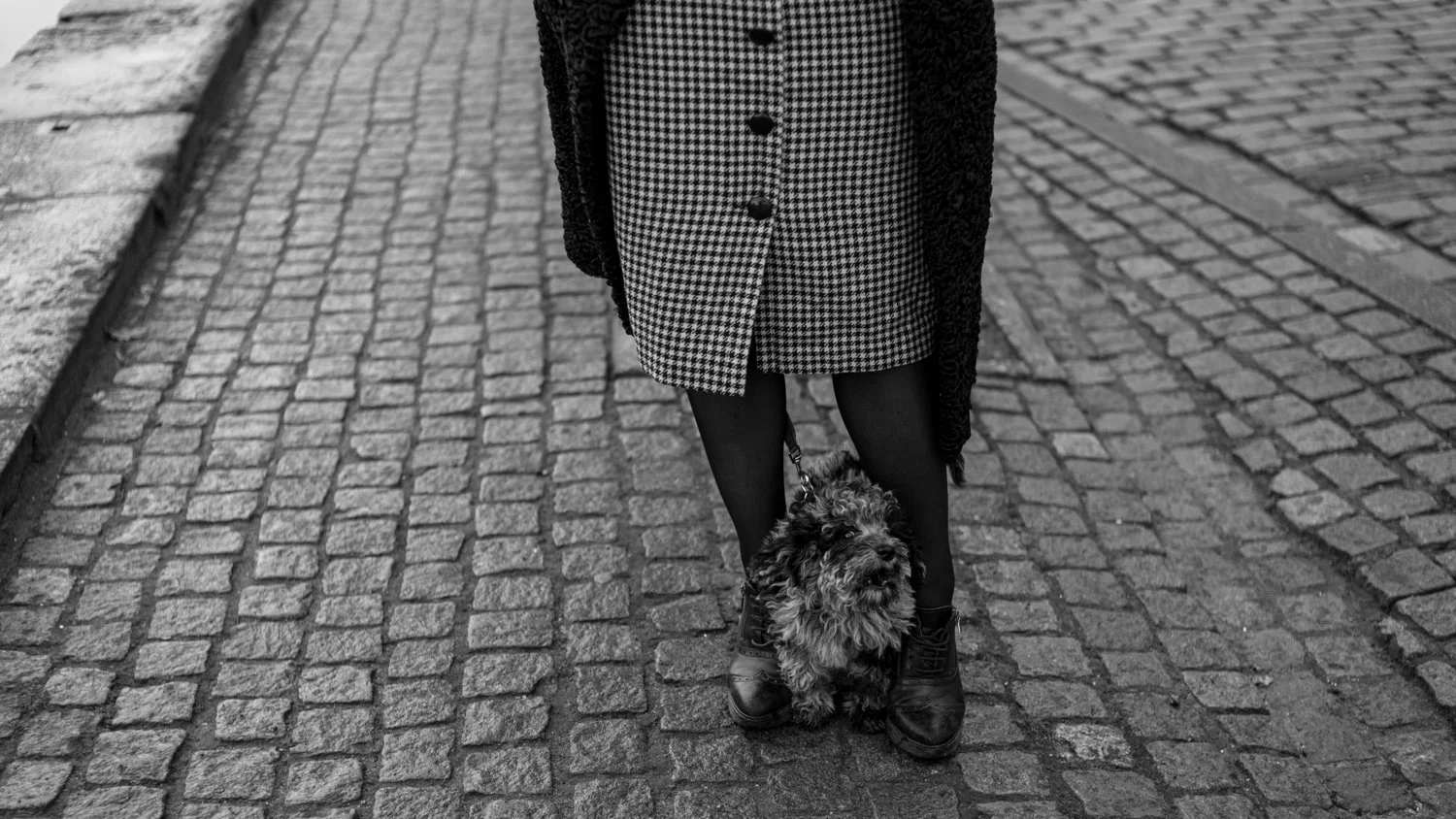
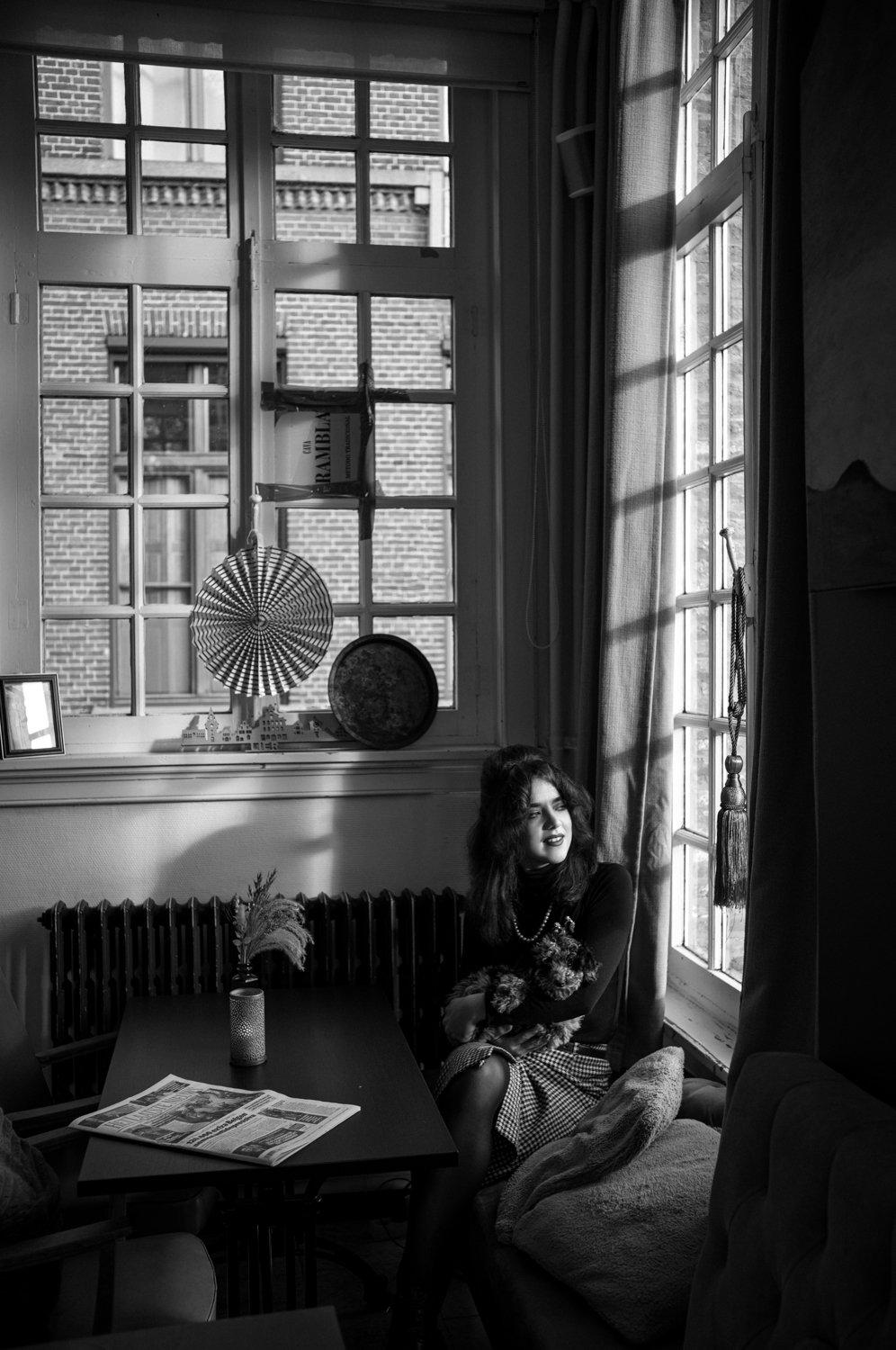
Jeanne, LLL 35mm f1.4 on Leica M11 Monochrom by Milan Swolfs
For me, 35mm f/1.4 is the perfect balance. Fast and wide. The Light Lens Lab 35mm Aspherical delivers in every way.
My copy is the limited edition Titanium version, produced as a time-limited run, with orders taken between November 8th and November 21st. Light Lens Lab has confirmed that this will be a single production batch, with no further Titanium versions of the 11873 planned. From my understanding, this results in roughly around 800 pieces in total, combining domestic and export orders.
I also love that it is a limited edition. I am a sucker for special editions. They do not make images better, but I am someone who values aesthetics. From interior design to fashion and art, I love beautiful objects. I love pretty things, and I am perfectly fine admitting that.
Build, Materials, and Craftsmanship
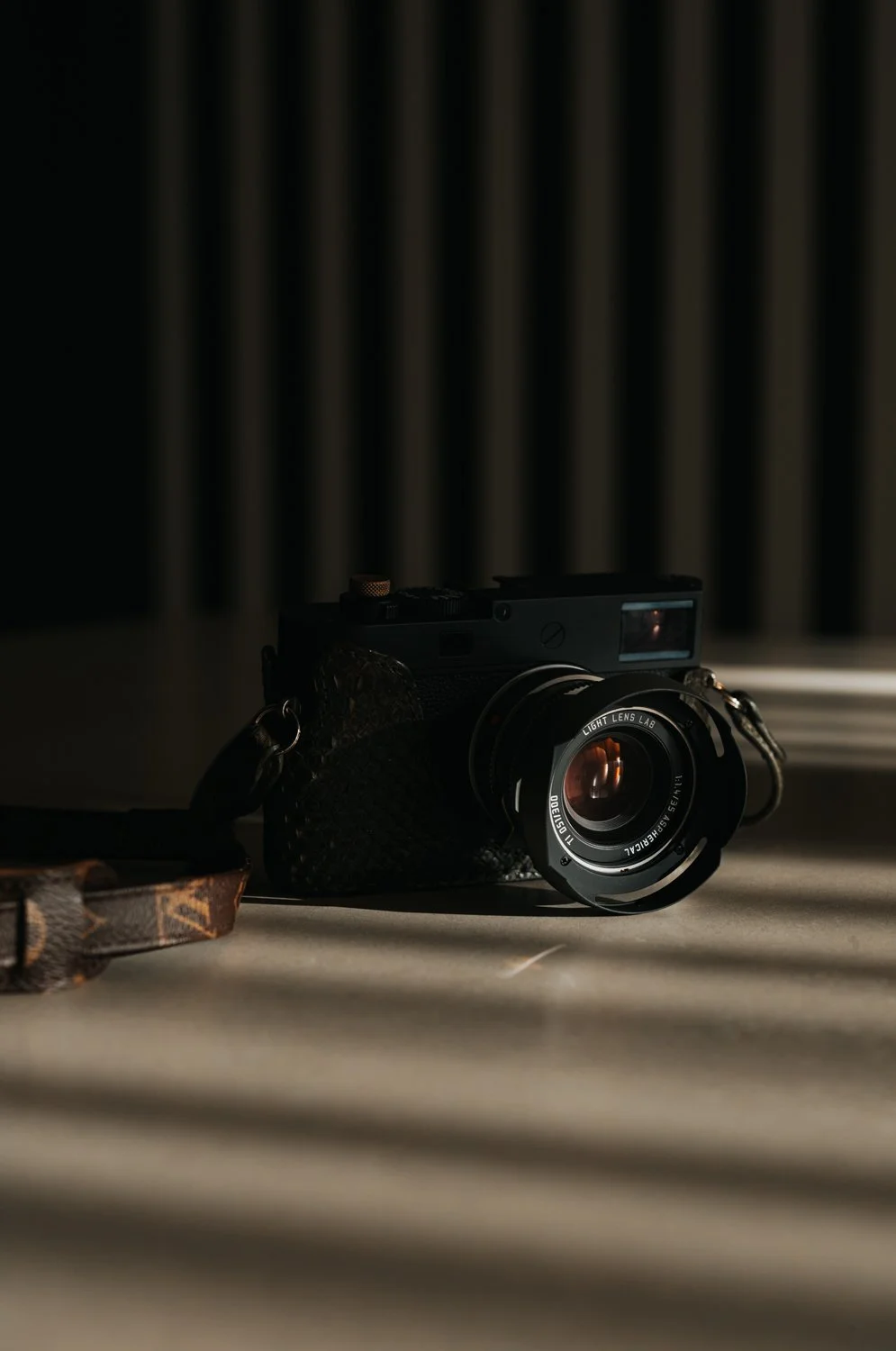
All Light Lens Lab Titanium lenses are made using Grade 2 Titanium alloy, and it really shows in hand. The lens feels solid, precisely machined, and reassuring without becoming overly heavy. There is a sense of durability and refinement that immediately stands out, especially when compared to many modern lenses that feel lighter but less substantial.
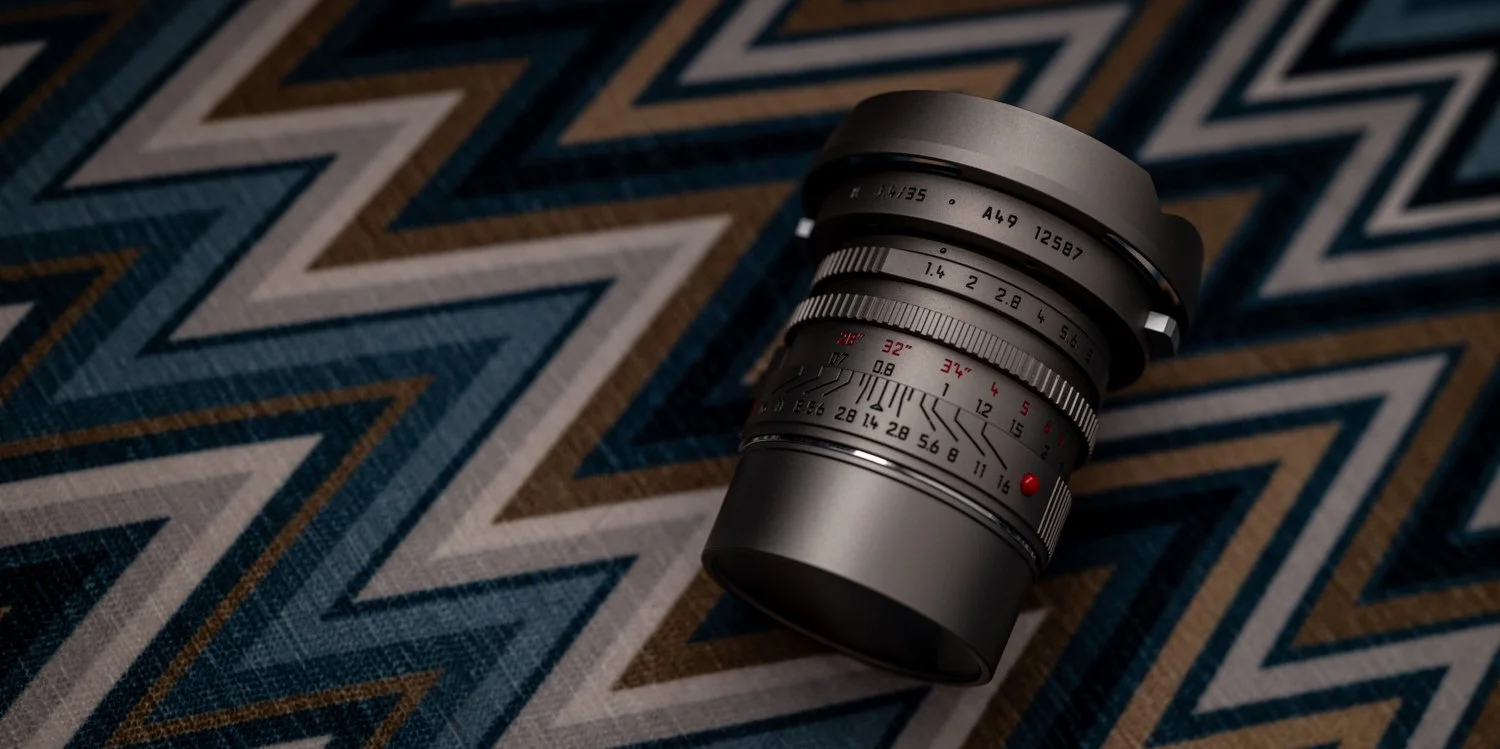
The focus ring and aperture ring deserve special mention. Both feel very solid, with well-defined clicks on the aperture ring and a focus throw that is smooth yet firm. There is just the right amount of resistance, which inspires confidence when focusing wide open. Nothing feels loose or vague. Everything feels deliberate and sturdy, exactly how a manual focus rangefinder lens should feel.
On the optical side, Light Lens Lab combines lanthanide glass with ED and achromatic elements, alongside a molded aspherical element. This combination helps control distortion and chromatic aberrations while preserving the signature rendering and subtle glow that make this lens so appealing. It also explains why the lens sits so nicely between character and clarity, delivering images with depth and atmosphere rather than a purely clinical look.
One small practical note worth mentioning concerns the lens hood. Just like with the original Leica Double Aspherical and its clip-on hood, mounting the hood on the Light Lens Lab Aspherical can potentially cause markings on the front element over time if one is not careful. To mount the hood correctly, you need to align the small dot on the hood with the marking on the front of the lens. Personally, this is something I am used to. Many of the hoods I own are rare or special and tend to increase in value over time, which is why I often leave them at home. I prefer to shoot without a hood rather than risk unnecessary wear. It is not a flaw, but something to be aware of, especially for collectors or those who like to keep their gear in pristine condition.
What I appreciate most is that this lens does not feel like a compromise. From the choice of materials to the mechanical feel and final rendering, everything works together as a coherent whole. It feels thoughtfully designed and built with intent, not just to look good on paper, but to be used.
Using the Lens in Real Life

I love to use lenses in real-life environments. I do not randomly go out and start shooting just to test a lens. Every shoot I do is planned in a way that allows me to showcase my work, my style, and how a lens naturally fits into that vision.
I received this lens around Christmas, which for me is always a specific time of the year. It is when I slow down slightly, finish most of my editing, and reflect on the past year. I never truly stop working, but this is usually the moment where I write reviews, find inspiration for new projects, and take a step back creatively. It is not the time for big productions or large-scale shoots.
I also care deeply about creating timeless images. I try to avoid overly seasonal or Christmas-themed shoots unless there is a very clear concept behind it. I want my images to make sense years from now, without being tied to a specific moment.
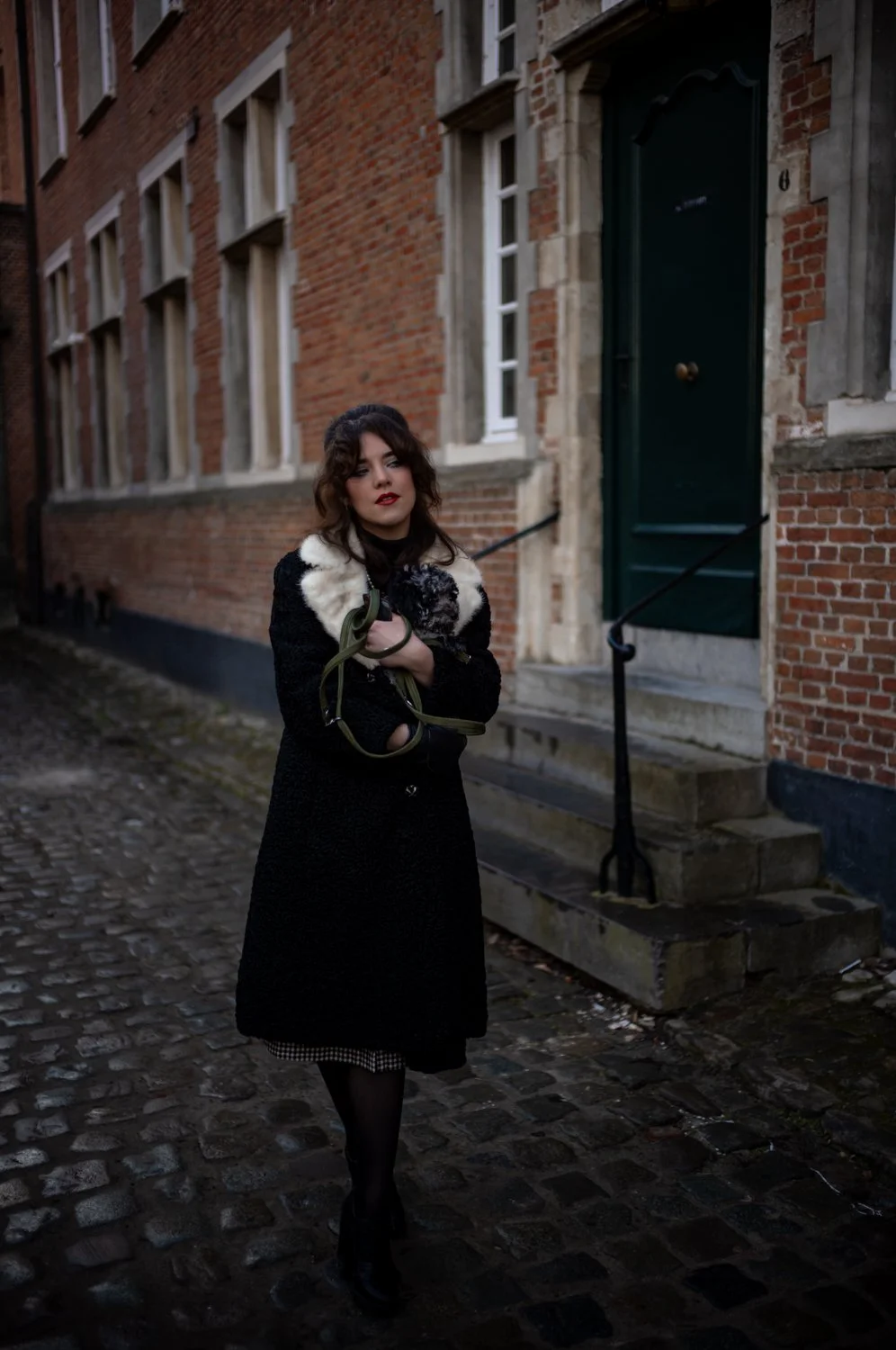
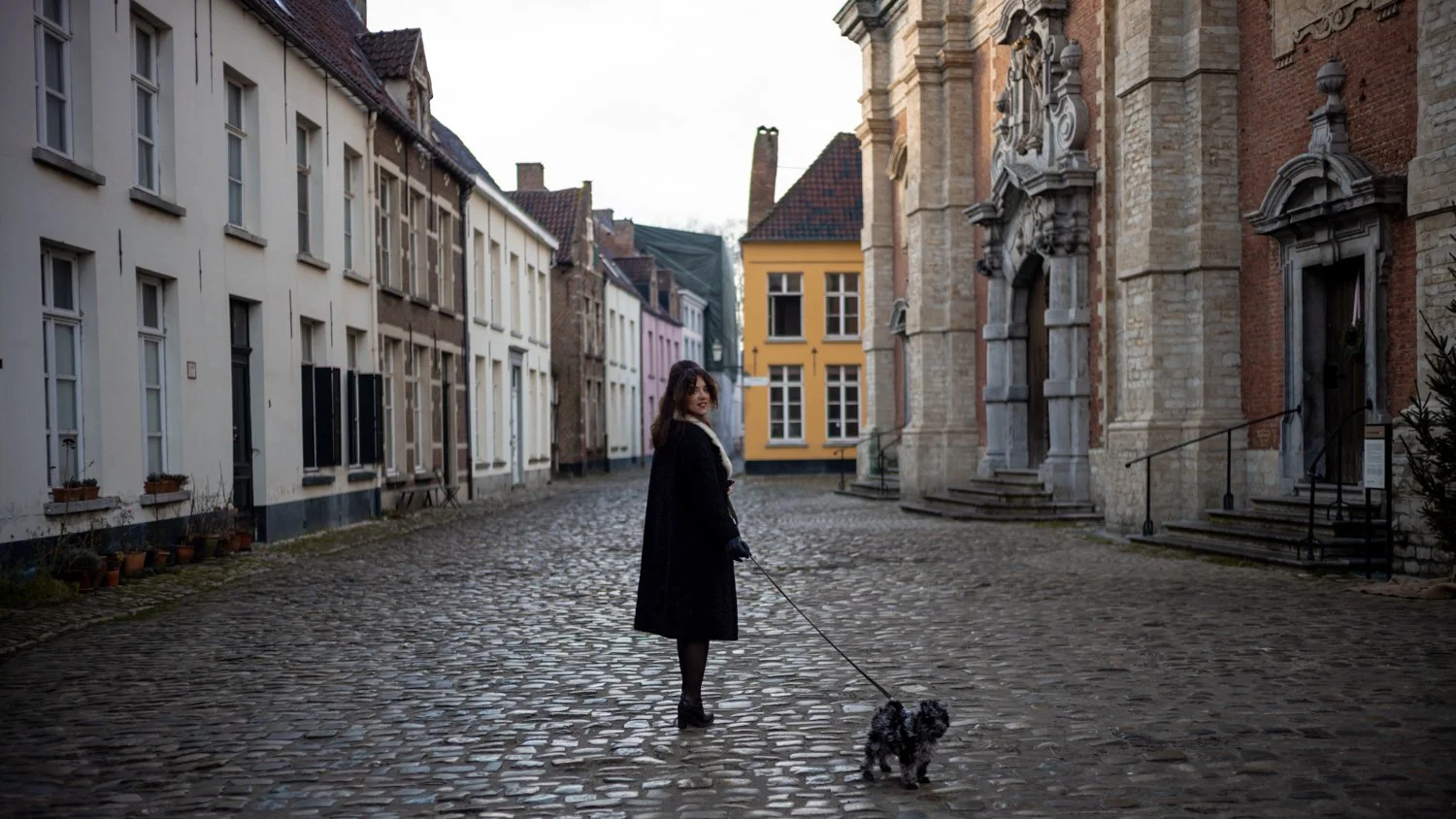
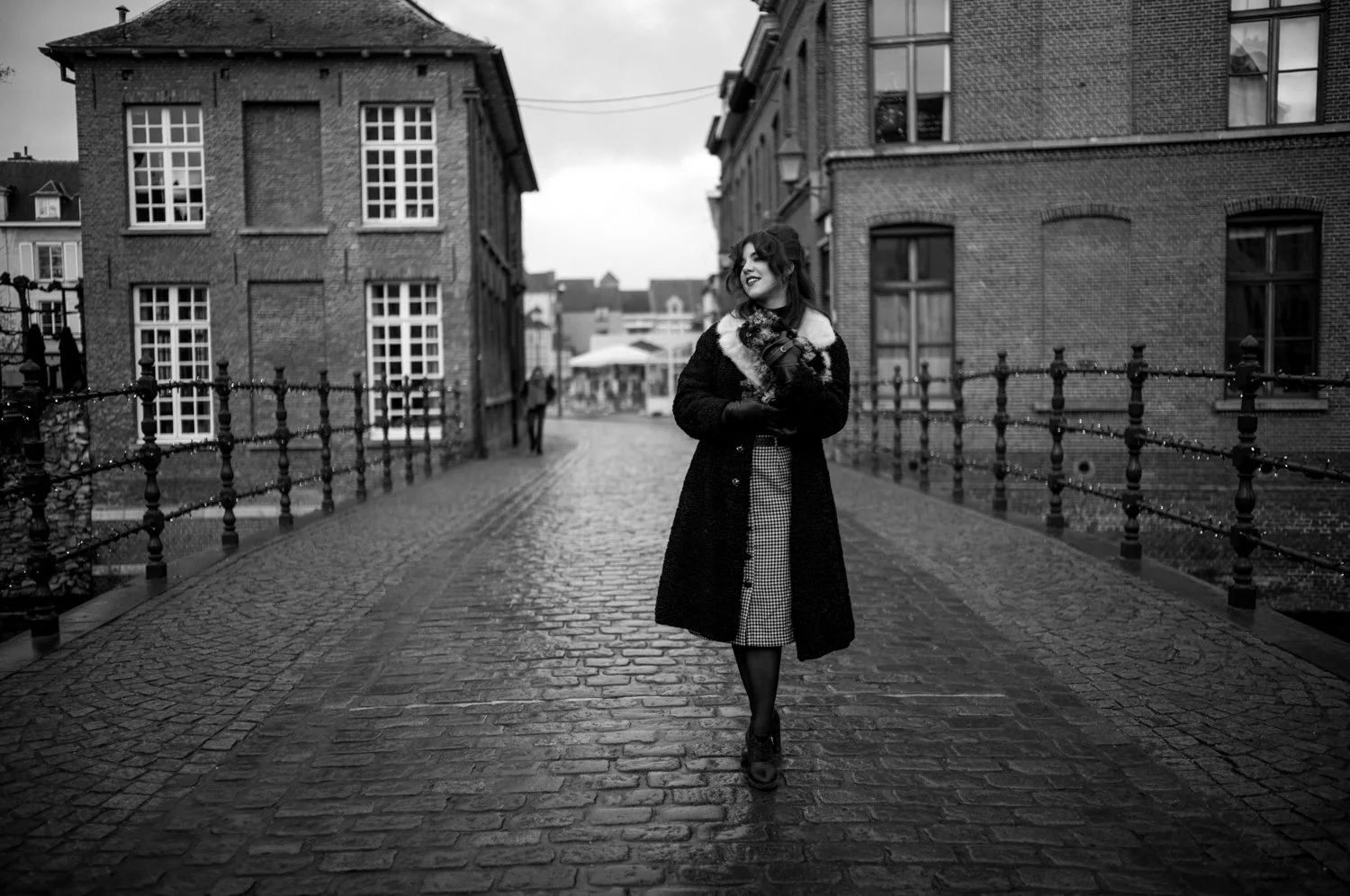
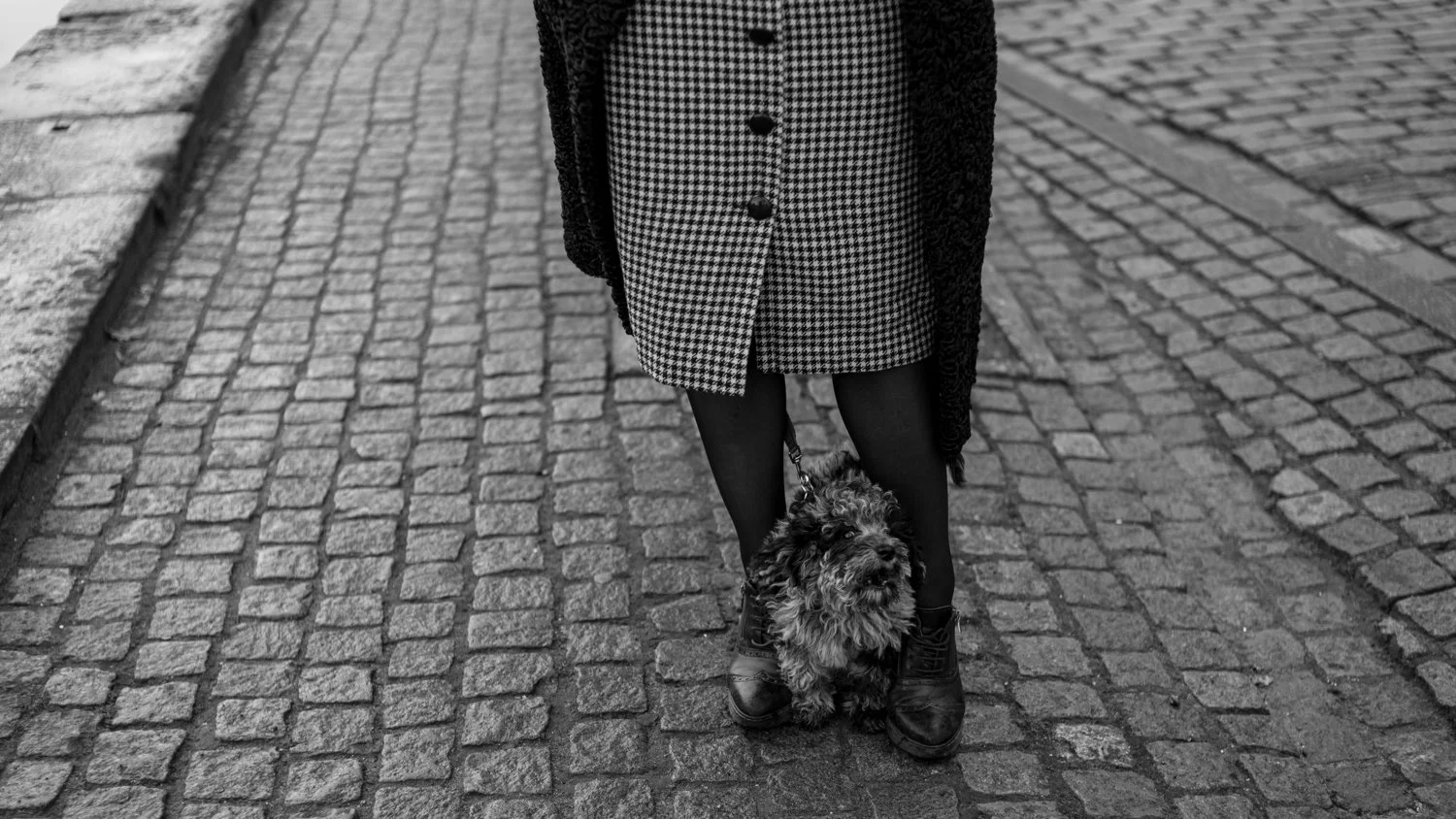
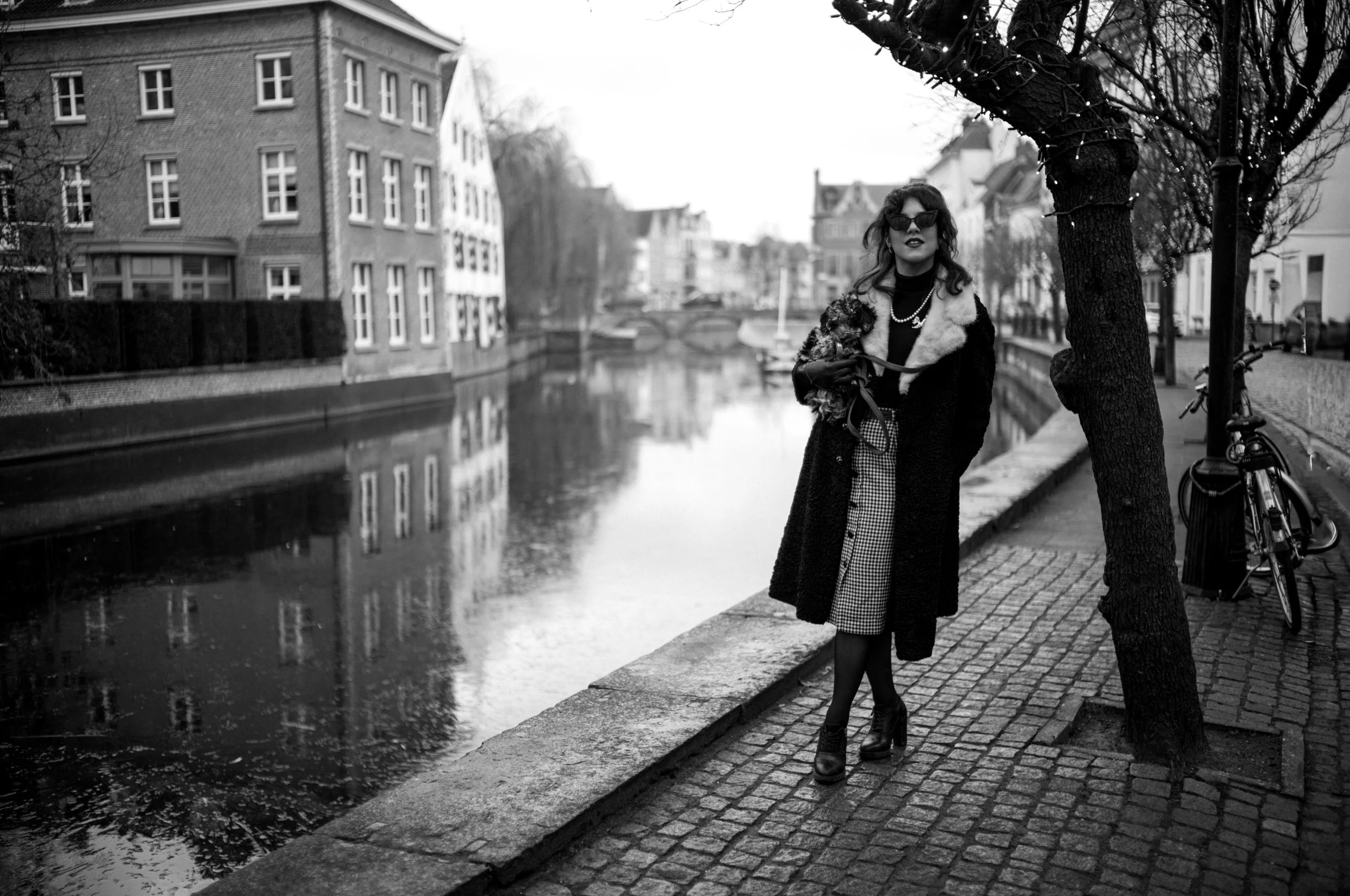
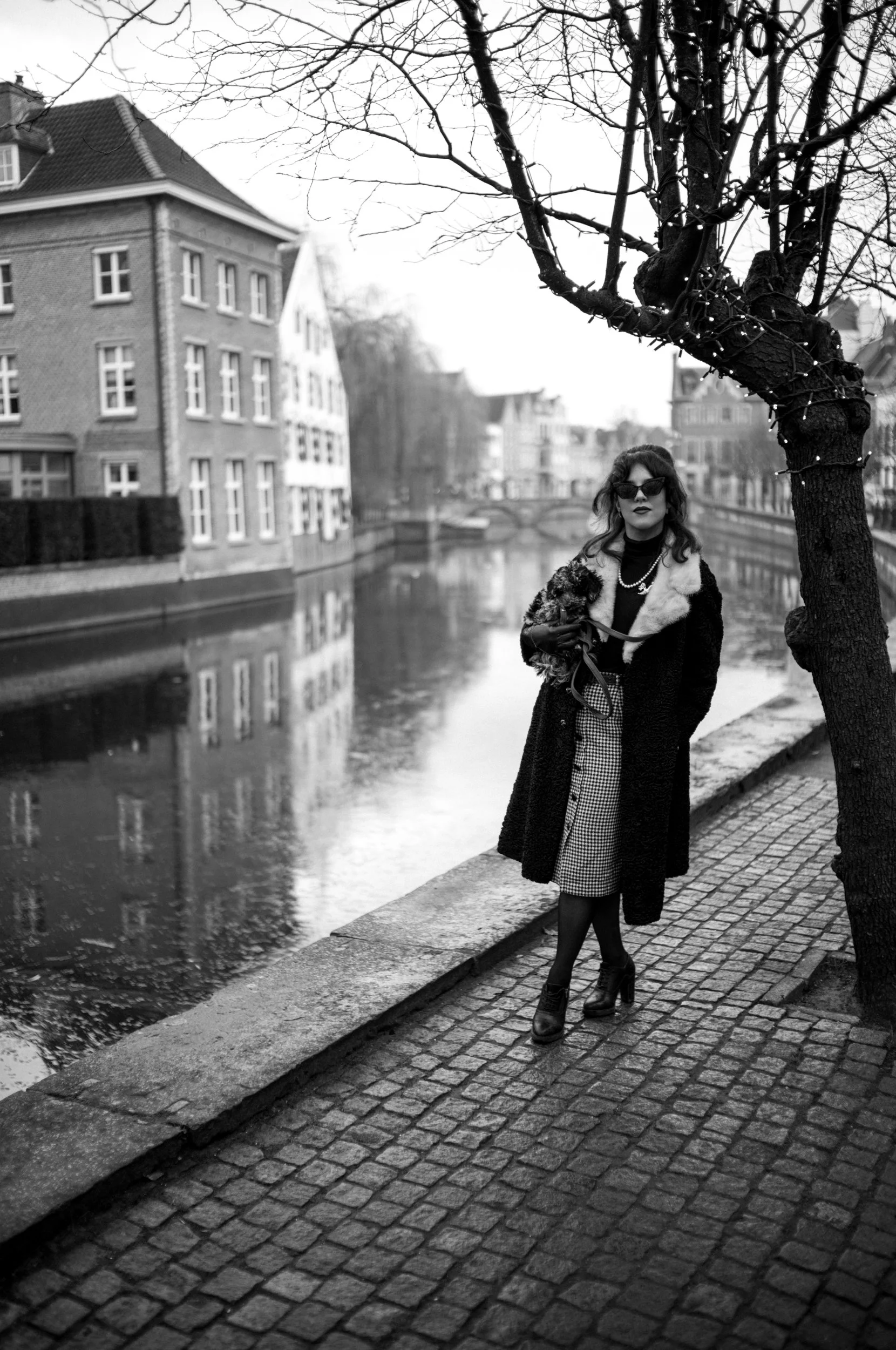
One of the lovely faces I work with regularly is Jennifer. After finishing a recent shoot with her for another project, she told me she was about to get a Toy Poodle puppy. I immediately felt this was the perfect moment to capture her in a way that fits my aesthetic. Natural, elegant, and intimate.
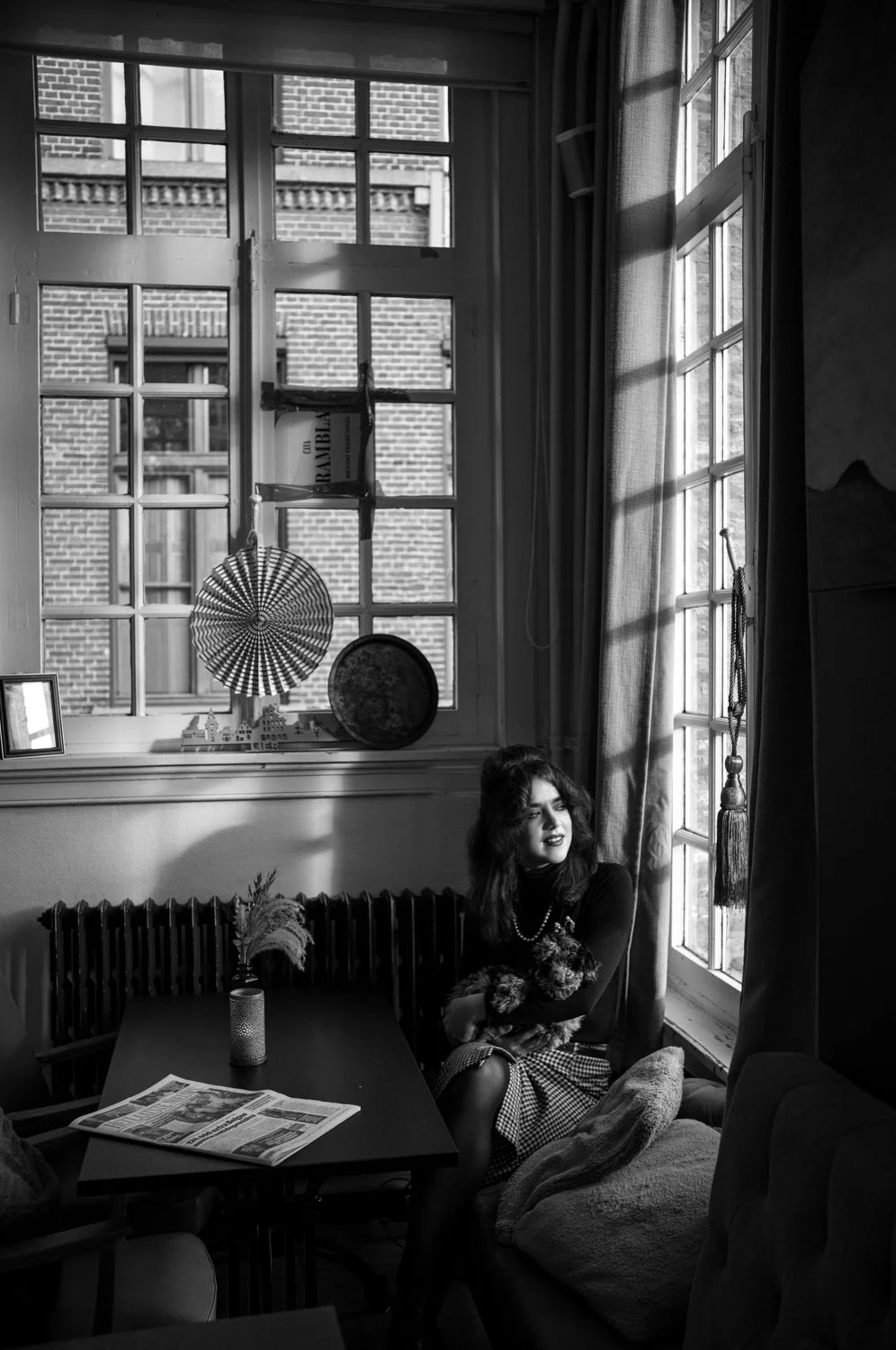
The shoot took place on the 31st of December, just before the New Year chaos started. Calm, focused, and quiet. Exactly the right moment to truly experience what this lens is capable of.
This is how I like to test lenses. Not rushed. Not forced. Used honestly, within my own visual language.
Rendering, Bokeh, and Use
As with all my reviews, I only review things that truly excite me. Do not expect technical charts or laboratory testing. I review how I use a lens and what kind of results I get with it in real-world situations, mainly for portraits.
The Light Lens Lab 35mm f/1.4 Aspherical has a very clear character. Wide open, the lens shows visible vignetting, something I personally enjoy a lot. It adds depth and naturally draws the eye towards the subject. For portraits, this kind of fall-off enhances the mood and fits perfectly with the way I like to shoot.
If you want to remove the vignetting in-camera, it is good to know that the lens is not 6-bit coded. On Leica M bodies, you can manually set the lens profile to Summilux 35mm f/1.4 pre-ASPH, selecting 11868, 11879, or 11860. This helps correct vignetting directly in-camera.
That said, I will be honest. I often forget to set this, and I simply do not care too much about these technical details. If something needs correcting, I do it in post. For me, character matters far more than perfection straight out of the camera.
The bokeh is another area where this lens really shines. Compared to the original Leica Double Aspherical, I notice less of the swirly bokeh that I remember from the AA. That swirl is still subtly present, but it is more controlled and refined. What replaces it is a beautiful, smooth out-of-focus rendering that feels elegant and calm.
I certainly prefer this look over the Summilux ASPH FLE, both Version I and Version II. The FLE lenses are technically superior, but the bokeh often feels more structured and less organic. The Light Lens Lab Aspherical renders backgrounds in a way that feels more alive and painterly without becoming distracting.
It is not as wild or exaggerated as something like my Zenitar 35mm f/1, which can be very expressive. Still, being a 35mm f/1.4, this lens allows for strong subject separation. Even in full-body portraits, it is very possible to make your model stand out clearly from the environment.
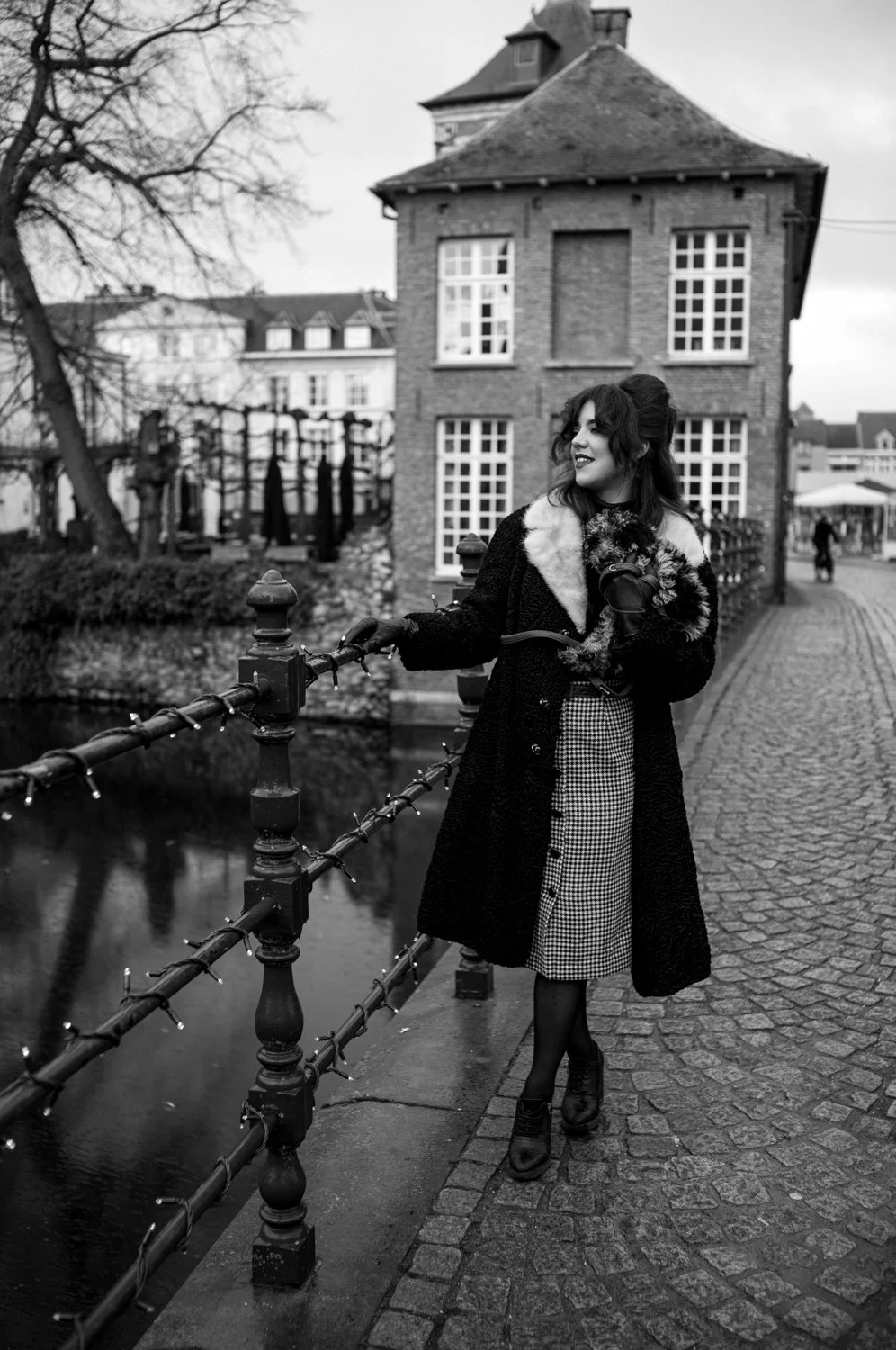
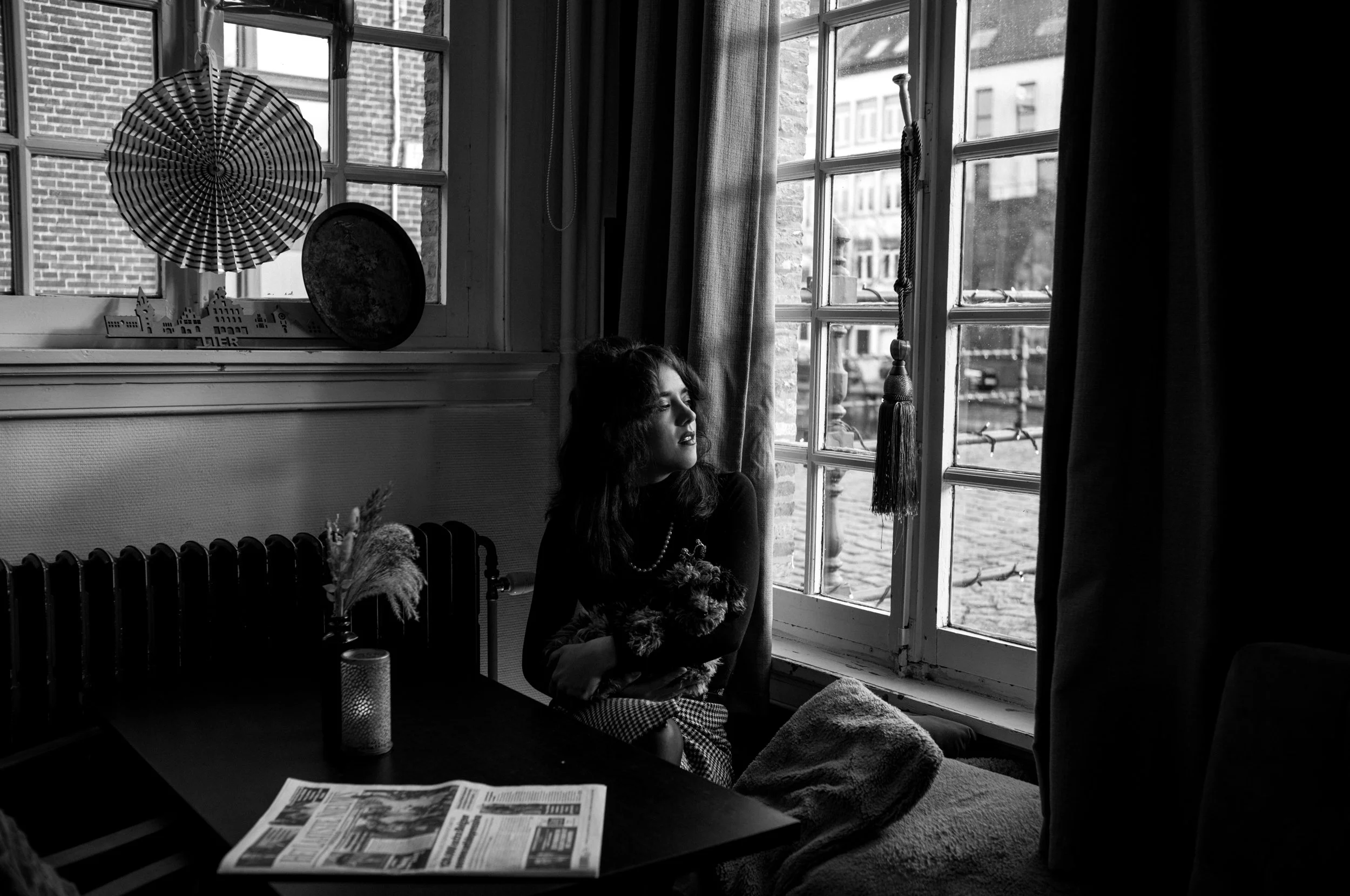
On the Leica M11 Monochrom, this lens truly shines as well. Since the M11 Monochrom series, I rarely use color filters anymore. The files coming out of this camera already have so much depth and flexibility. The Light Lens Lab Aspherical pairs beautifully with it, delivering rich tonality and smooth transitions that make editing black and white portraits a joy.
Older glass has always been my secret sauce for black and white portrait work on the Monochrom, and the LLL Aspherical fits perfectly into that category. The combination produces images with depth, texture, and emotion, without looking harsh or overly contrasty.
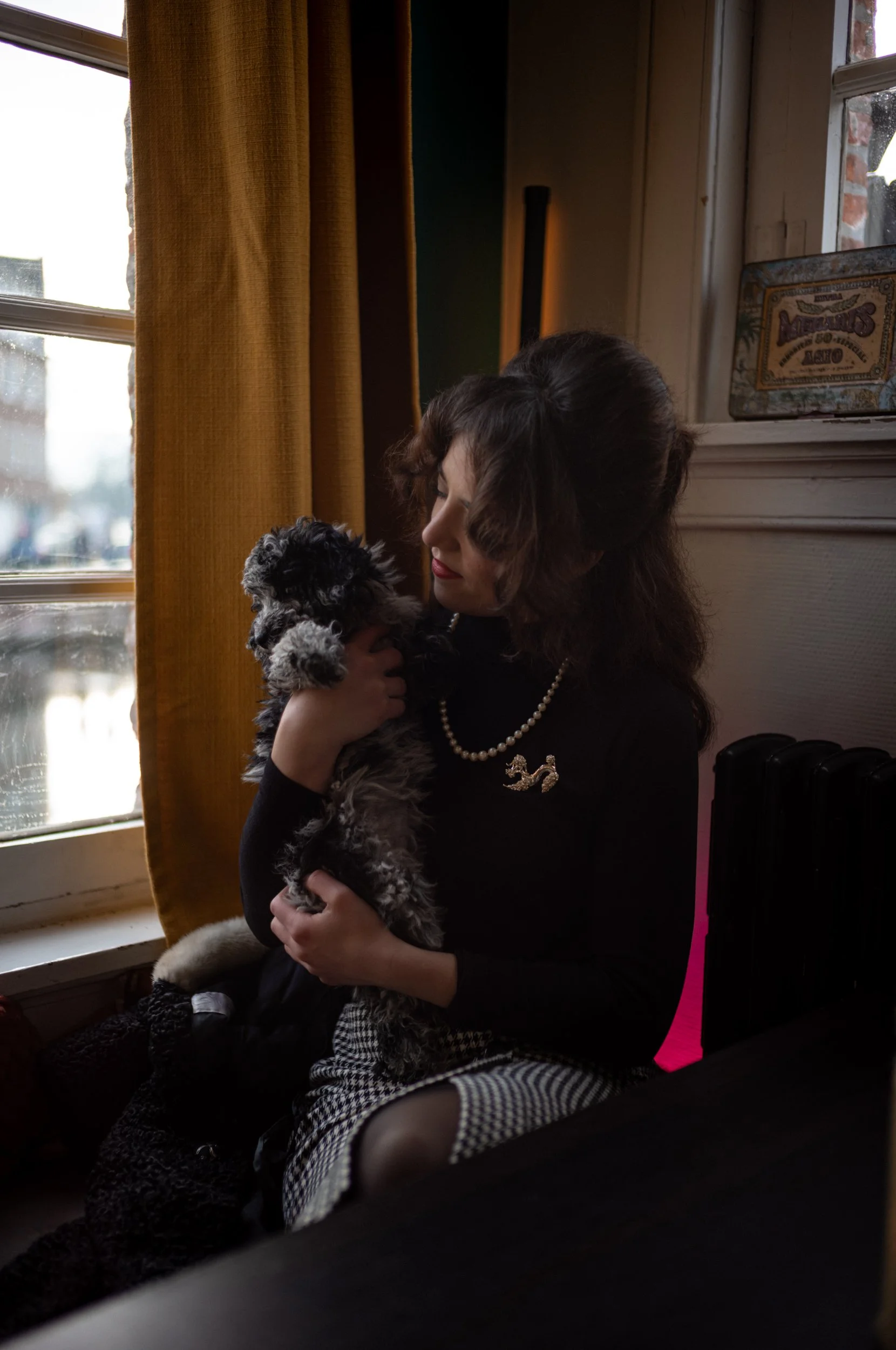
The skin tones produced by the Light Lens Lab Aspherical in combination with the Leica M11-D sensor also require very little tweaking. I usually slightly reduce the orange tones in the skin, but overall the colors coming out of this combination are very pleasing and feel natural. This is also visible in the image of the orange Porsche, where the color remains rich and true to life without looking artificial.
Transitions from focus to out-of-focus areas are gentle, highlights are soft, and nothing feels harsh. The lens has imperfections, but those imperfections are exactly what give it soul. For portrait work, it is sharp enough where it matters and forgiving everywhere else.
This is exactly the kind of rendering I look for in a lens.
A Complete Package
What also deserves mention is what you actually get.
Light Lens Lab includes:
Two lens hoods
A titanium floral hood
A black hood inspired by the original design with a viewfinder cut-outA titanium UV filter
Front and rear caps, also in titanium metal
This is a complete, generous, and beautifully thought-out package.
If this lens were made in Germany, it would easily cost €10,000 or more, be sold out before it ever reached the market, and most of them would never be used. With Light Lens Lab, you get exceptional value, not just financially, but emotionally.
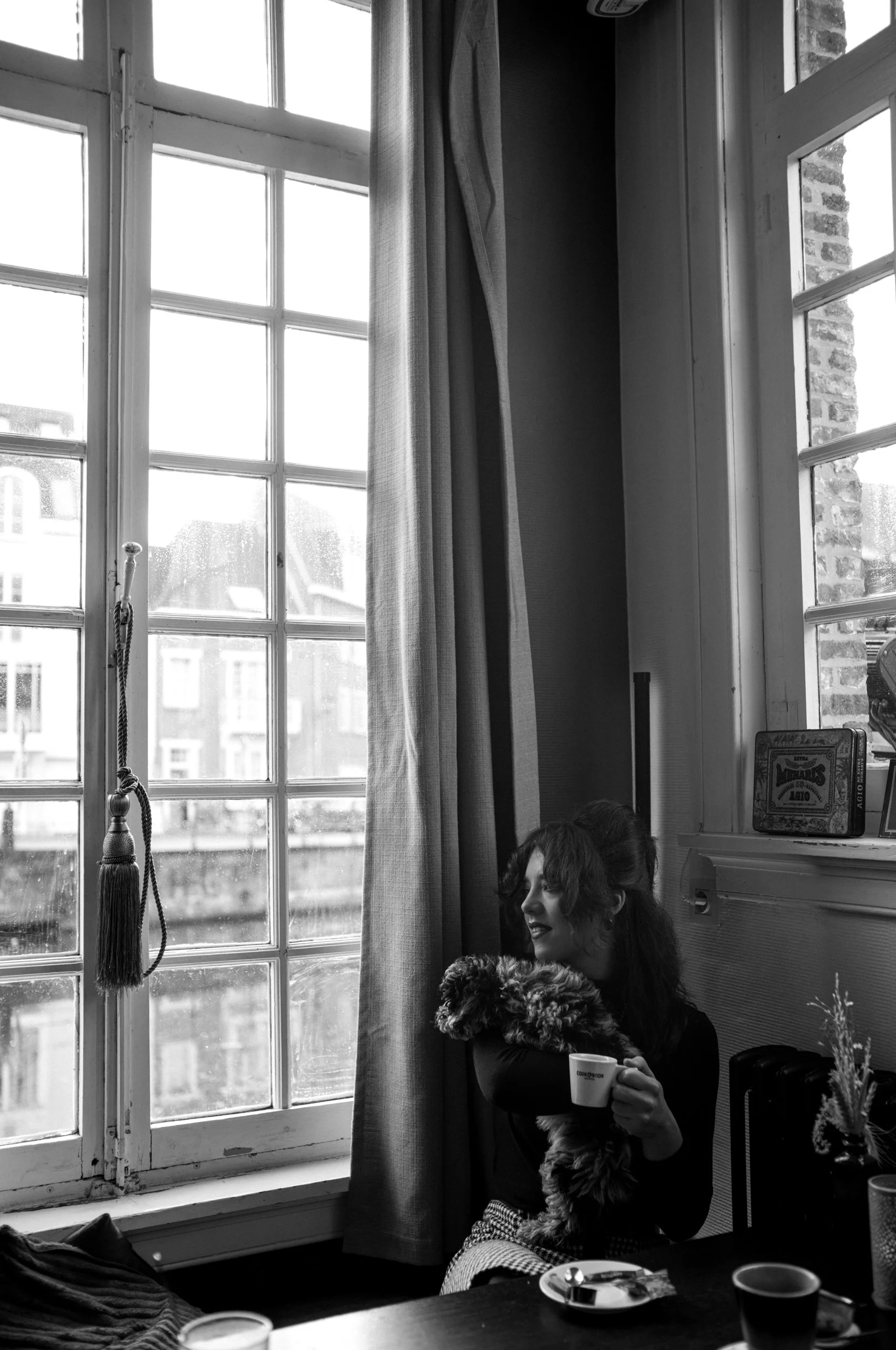
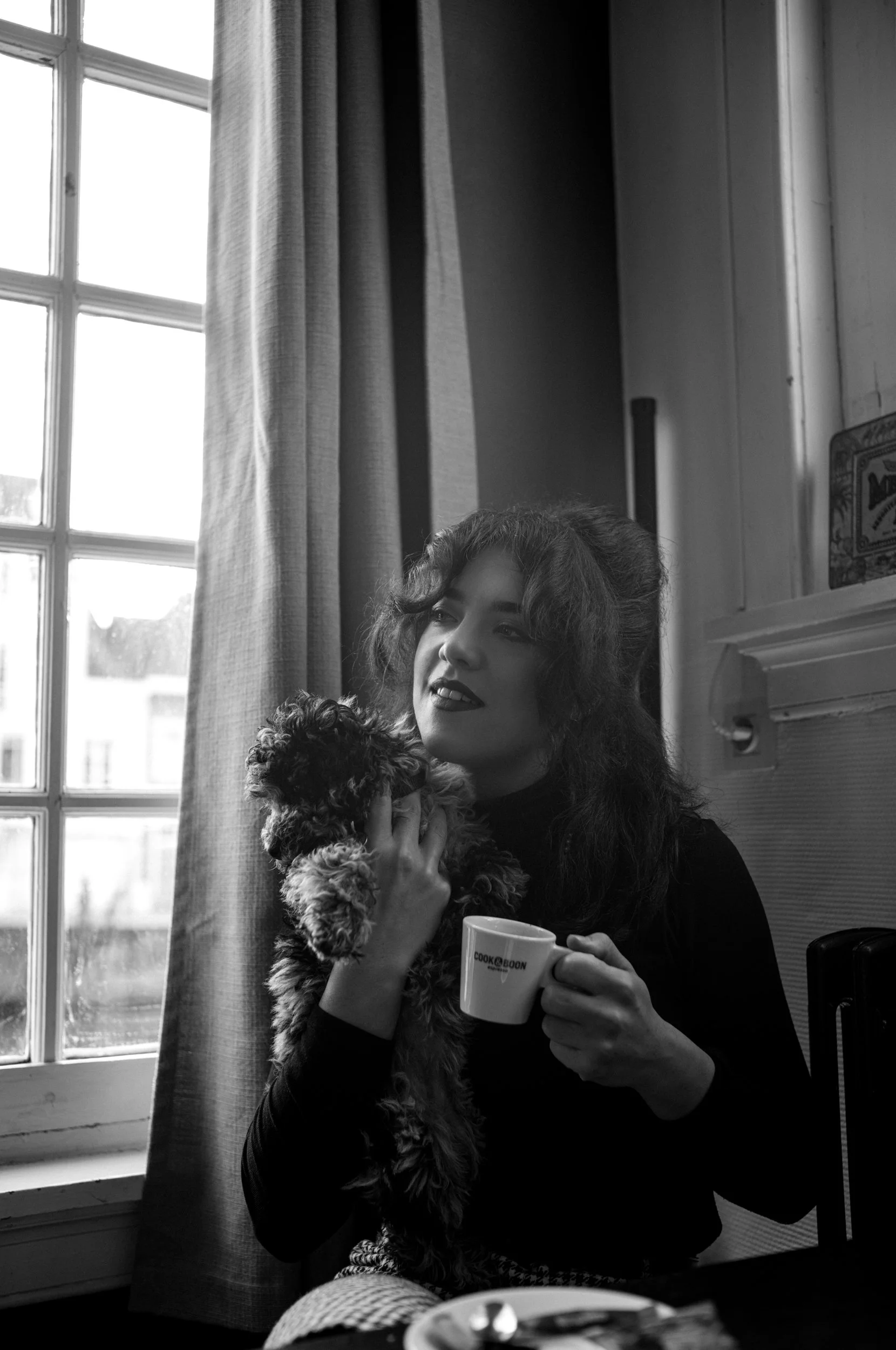
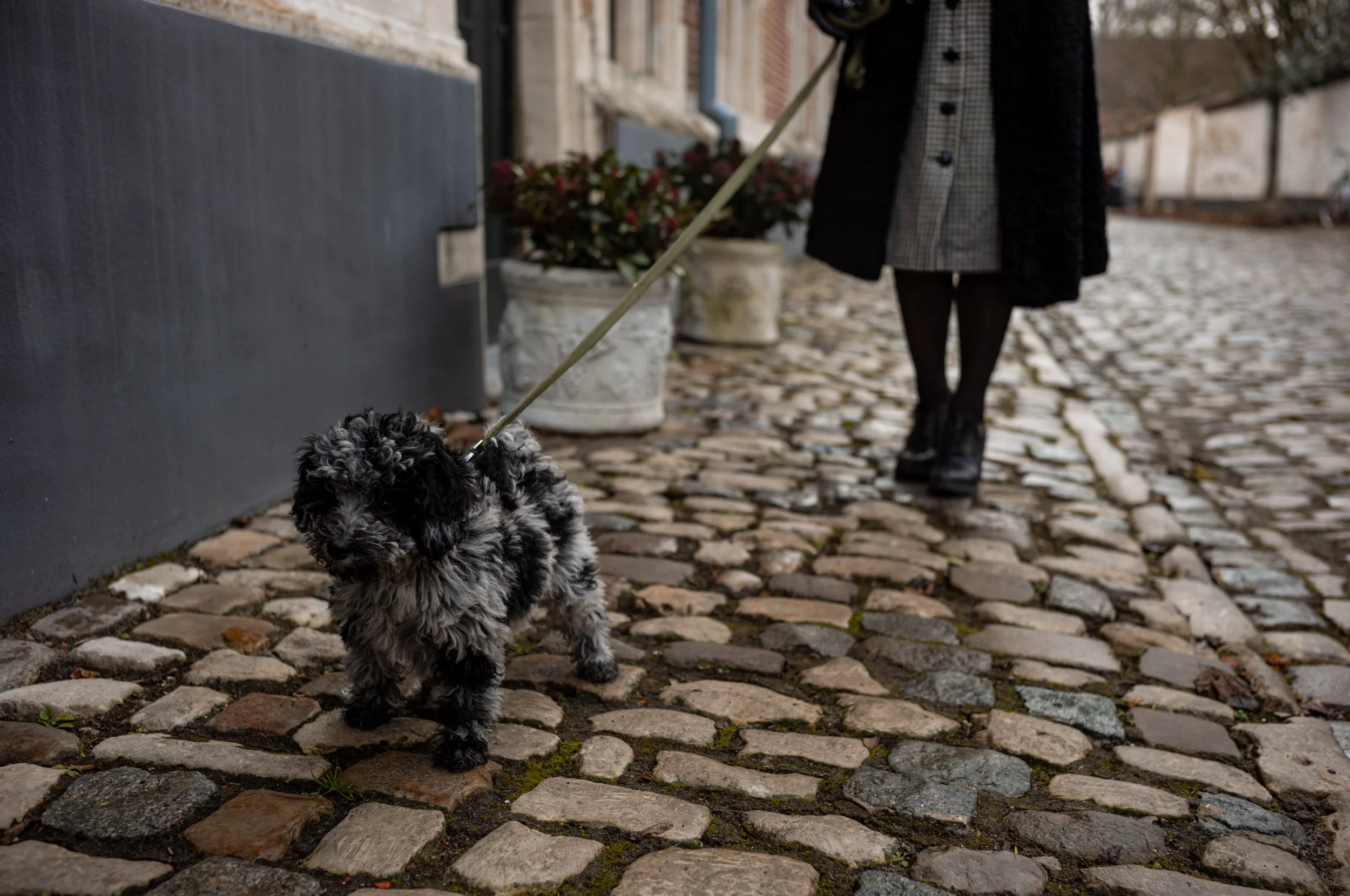
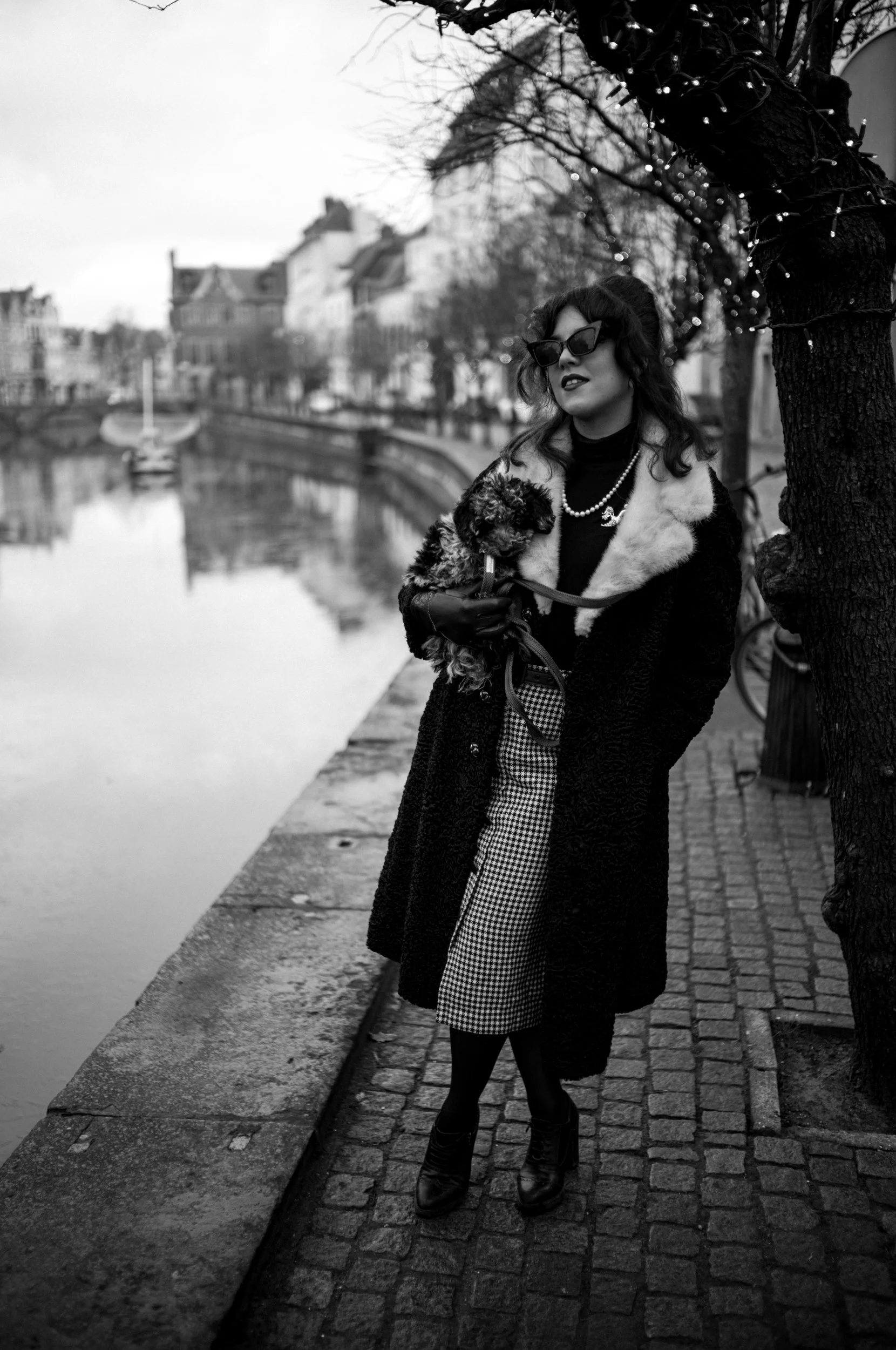
Gallery images of Light Lens Lab 35mm f/1.4 Aspherical "11873"

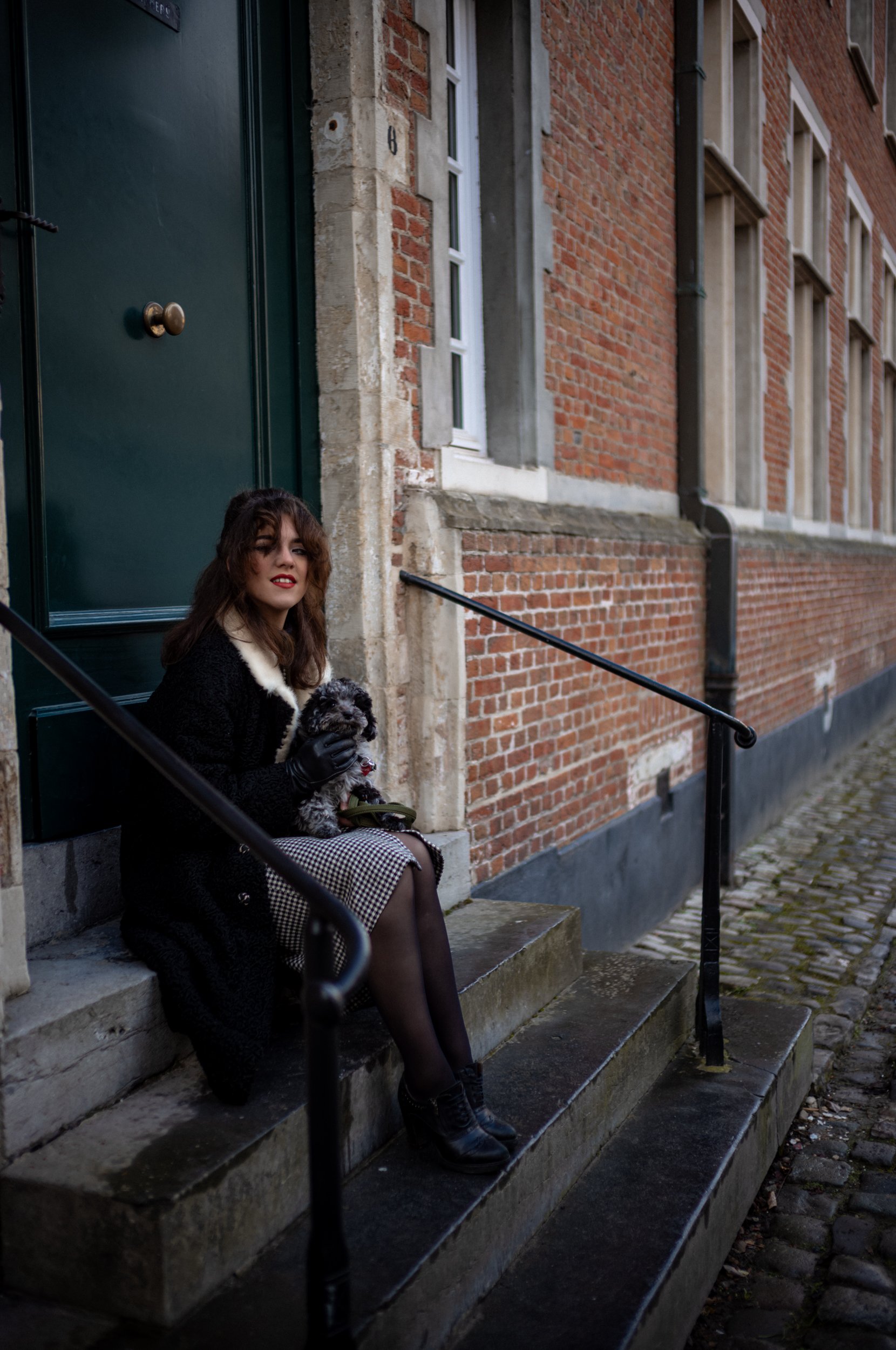
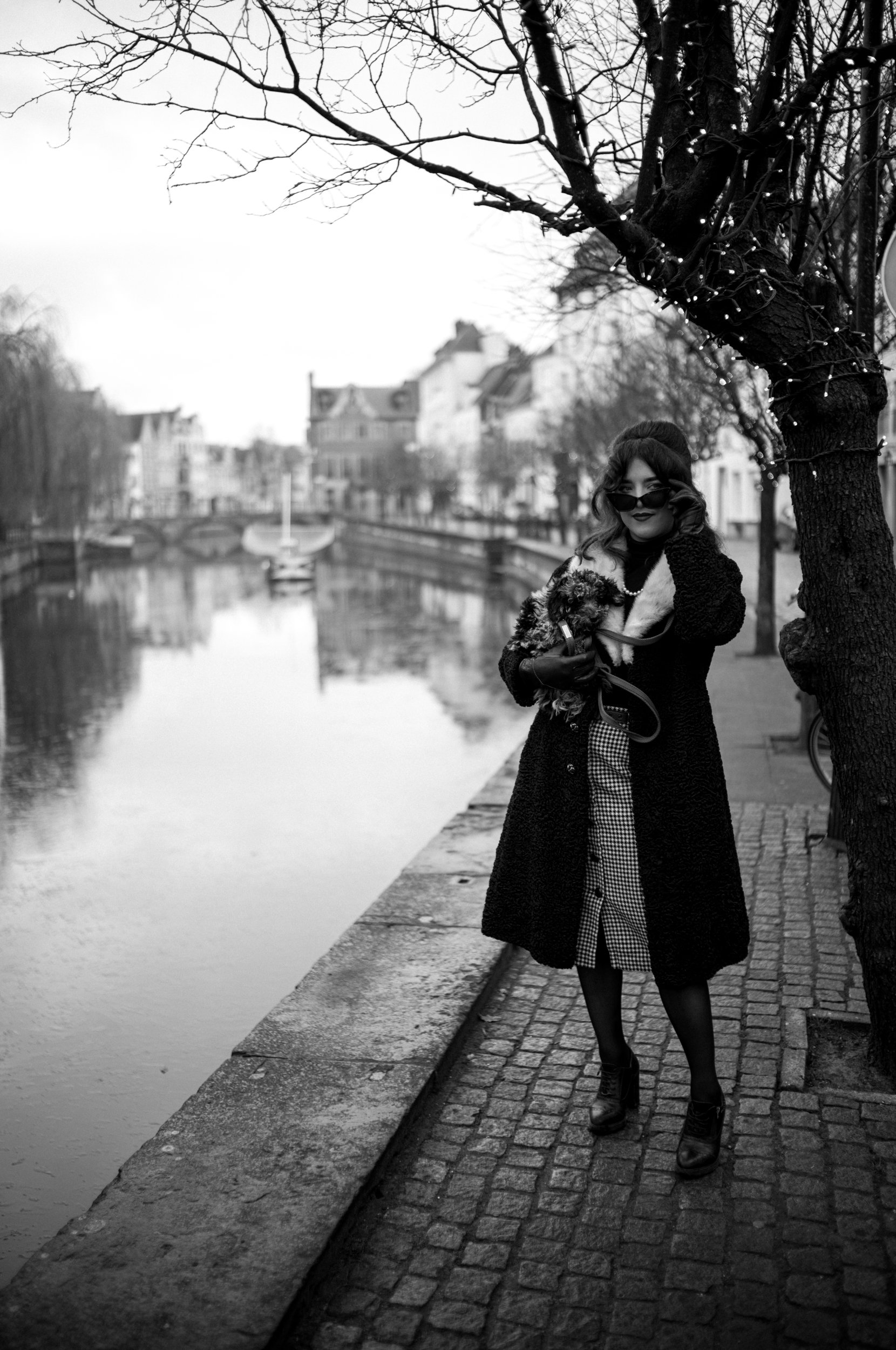
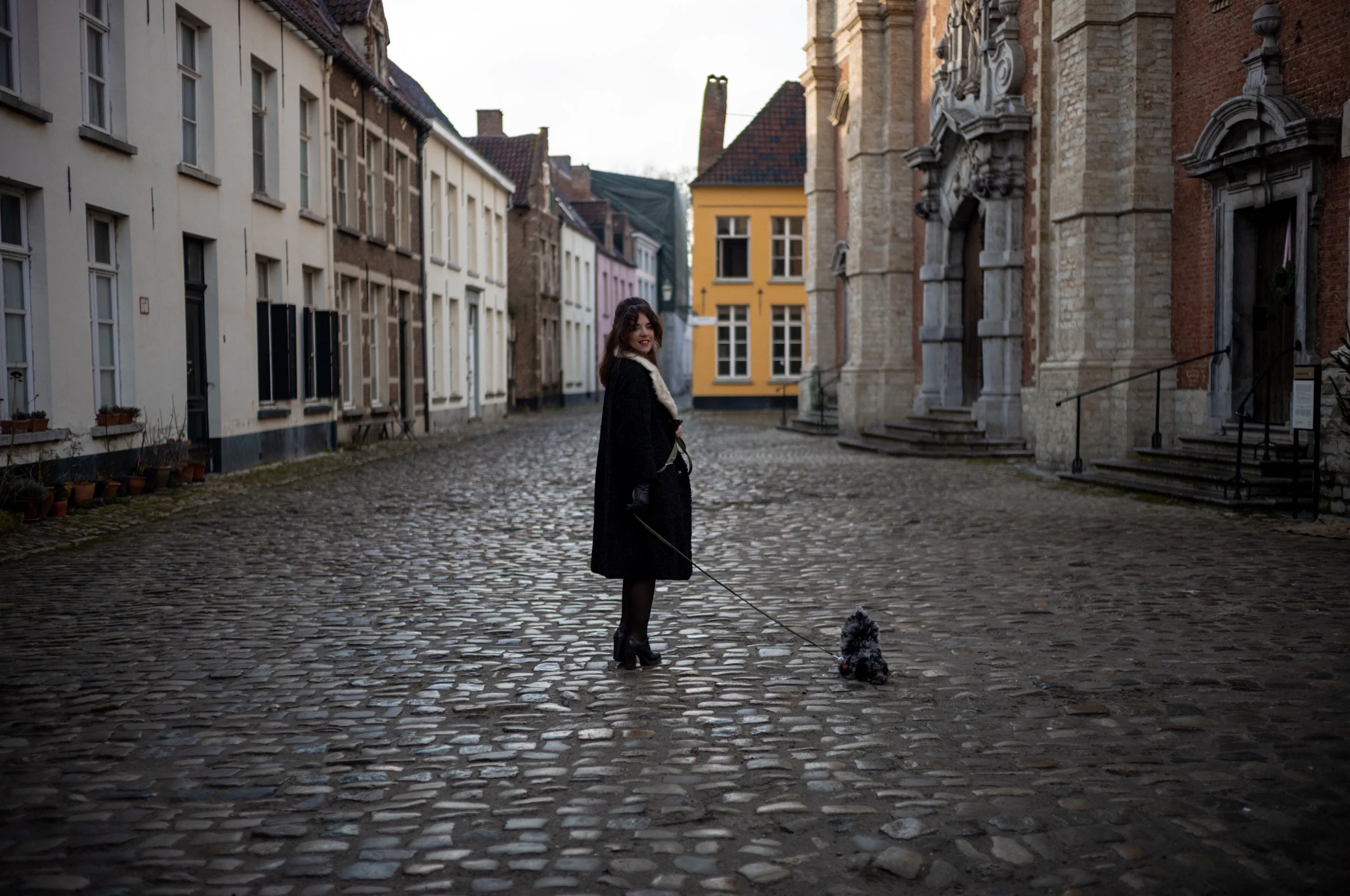
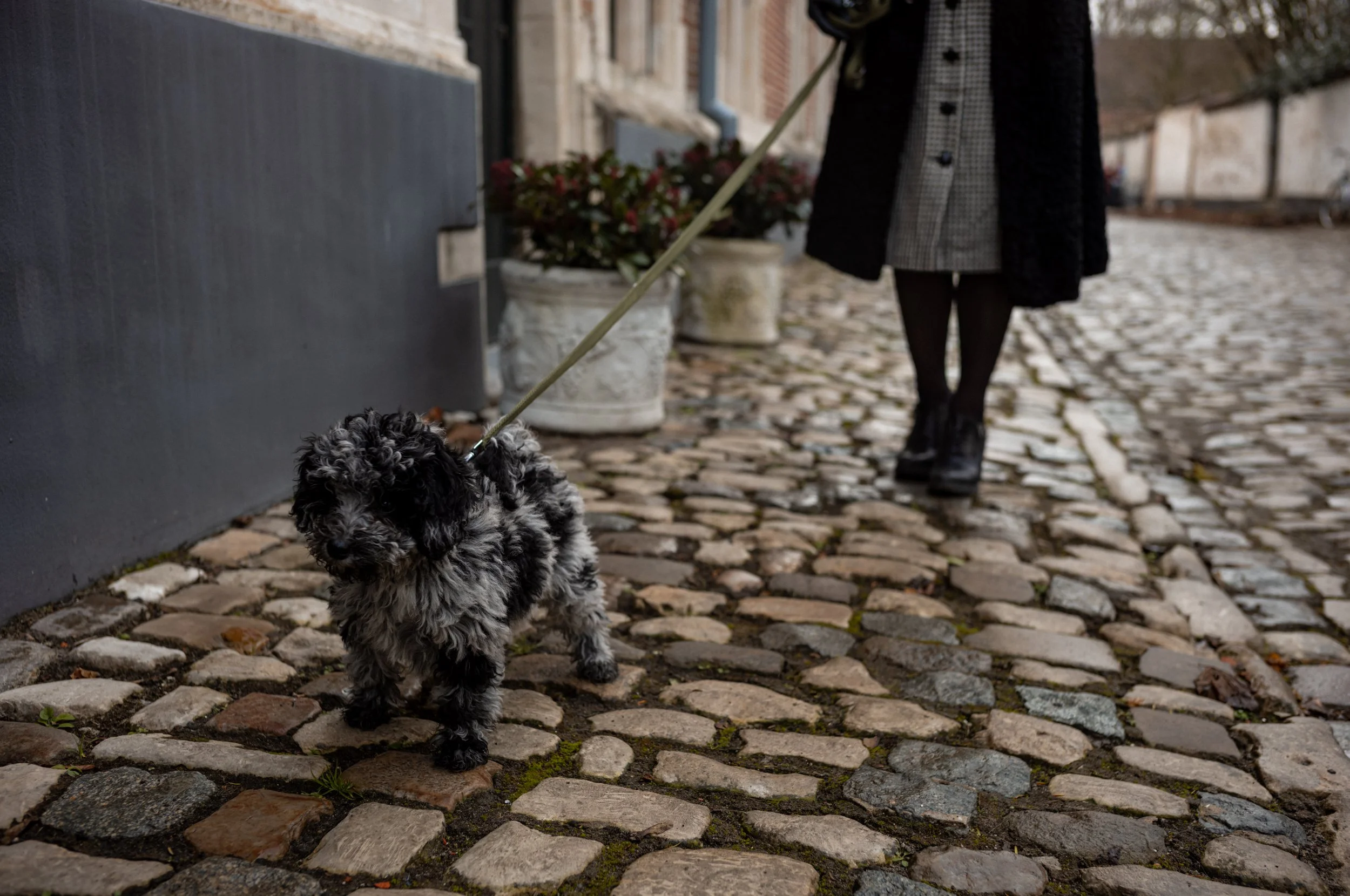
Final Thoughts
The Light Lens Lab 35mm f/1.4 Double Aspherical is a lens for photographers who seek the balance between mood and refinement. It sits beautifully between classic character and modern usability, offering a rendering that feels timeless without becoming overly nostalgic.
Wide open at f/1.4, the lens is certainly sharp enough, especially for portrait work. Compared to the classic Steel Rim, it is noticeably sharper and shows less glow, while still retaining a soft and flattering rendering. Compared to the modern Summilux ASPH FLE, it is less clinically sharp, but that is exactly where its charm lies. It offers enough sharpness while preserving atmosphere, making it far more pleasant for portraits.
Stopped down slightly, by f/2 to f/2.8, the lens sharpens up considerably and delivers excellent clarity without losing its character. Another very practical advantage is the minimum focusing distance of 0.7 meters, which is closer than the 1 meter minimum focus of the Steel Rim. In real-world shooting, this makes a meaningful difference and allows for more intimate framing.
When it comes to bokeh, the differences become more subtle and perhaps harder to explain, but they are definitely there. The original Leica Double Aspherical had a slightly more painterly, almost fluid out-of-focus rendering. The Light Lens Lab version feels a bit more structured. The out-of-focus highlights are not perfectly round and not fully oval either. To describe it as clearly as possible, they remind me of a soft walnut shape, slightly oval with a hint of internal structure.
That said, the bokeh is never distracting. On the contrary, it looks very pleasing and works beautifully in portrait environments. It separates the subject well while maintaining calm, balanced backgrounds. For bokeh lovers, this lens offers character without chaos.
For me, this makes the Light Lens Lab Aspherical a wonderful all-round 35mm lens. The Steel Rim remains a specialty lens with a very specific look, one I love and use intentionally. The Aspherical, however, feels like the best of both worlds, combining usability, character, and consistency into a single lens.
Light Lens Lab has achieved something genuinely impressive here. They have taken a legendary optical concept and translated it into a lens that can be confidently used today, without stripping it of its soul. The build quality, rendering, thoughtful accessories, and overall coherence show a deep understanding of why the original Double Aspherical became so iconic.
Paired with the Leica M11-D and M11 Monochrom, this lens has earned a permanent place in my kit. It aligns perfectly with my visual language, my portrait work, and my preference for lenses with personality over technical perfection.
In a time where almost every lens is technically flawless, the Light Lens Lab 35mm f/1.4 Double Aspherical reminds us that photography is not about perfection.
It is about feeling, mood, and intention.
Milan Swolfs
Interested in the Light Lens Lab 35mm f/1.4 Aspherical "11873"?
If you are curious to try the Light Lens Lab 11873 yourself, Light Lens Lab offers a ways to get a small discount and at the same time support my work:
👉 You can use my referral link to get 5% off your purchase:
Or, if you prefer, you can use this coupon code at checkout to get 5% off:
The discount code is MILAN
Using either helps support my projects and future reviews. Thank you.
Thank You
A special thank you to David from Light Lens Lab for the many inspiring conversations about lenses, their history, and their rendering, and to Jennifer for her trust and for being such a pleasure to work with.
About Milan Swolfs
Milan Swolfs is a fine art portrait photographer from Antwerp, Belgium, renowned for his distinctive blend of burlesque and vintage aesthetics. His work channels the timeless Hollywood glamour of the 1920s and 1930s, capturing both men and women in bold yet elegantly refined portraits.
Beginning his career photographing Europe’s largest burlesque events, Milan later transitioned into fine art photography. As an ambassador for Leica Camera and Harlowe Creators, his work has been featured in LFI (Leica Fotografie International), Medium Format Magazine, and Viewfinder. In 2022, he debuted his solo exhibition, Light of Seduction, at the Leica Store in Porto. Most recently, from late 2024 to early 2025, his latest exhibition, Echoes of Elegance: A Timeless Journey, was showcased at the Leica Store Beaumarchais in Paris.
Milan’s portraits celebrate individuality and classic beauty, reviving the charm and allure of a bygone era.
