
LEICA NOCTILUX-M 35 f/1.2 ASPH Review
Fast, Wider, Closer: The 35mm Noctilux Experience by Milan Swolfs
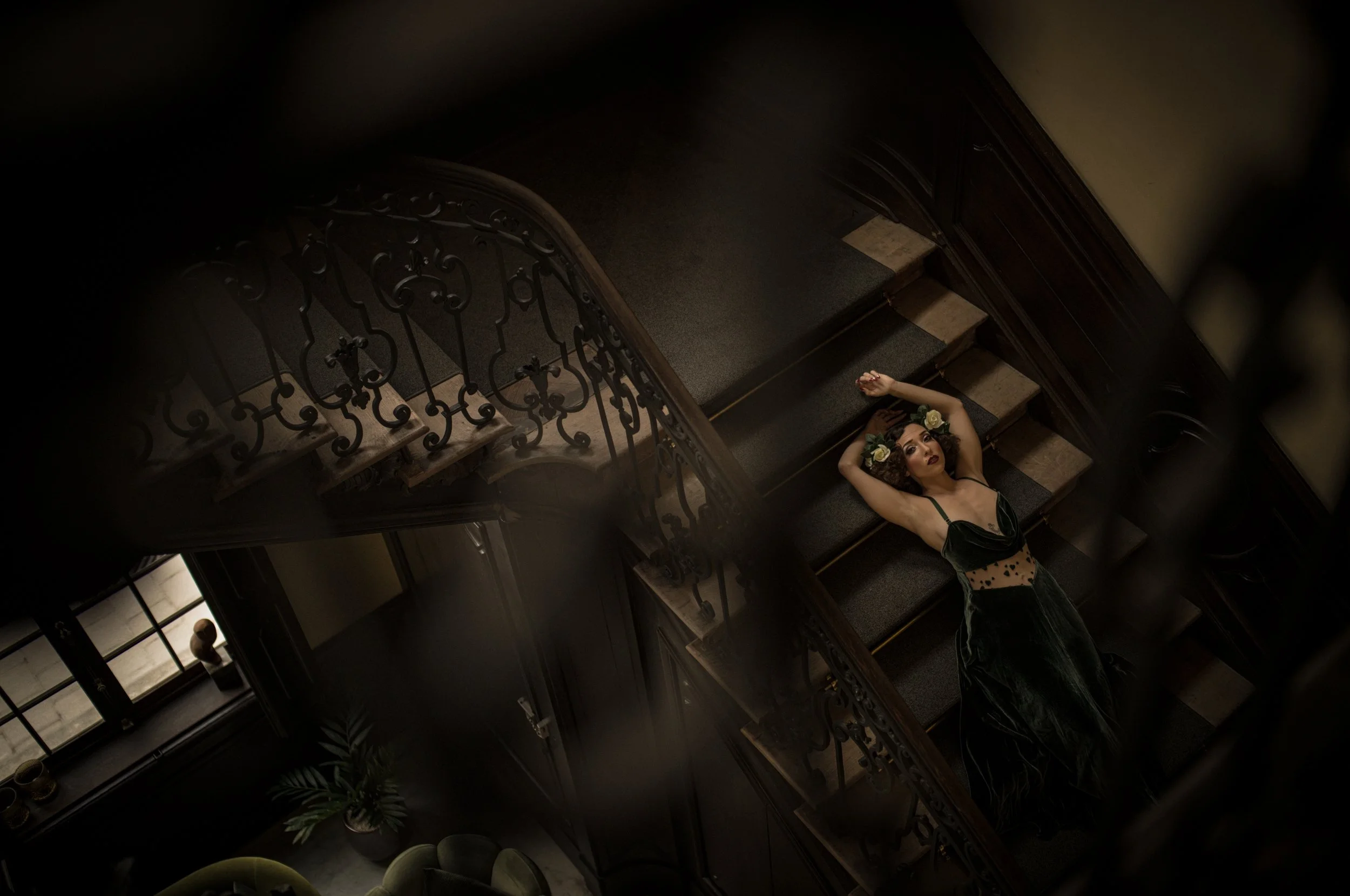
But does it still have the Noctilux soul?
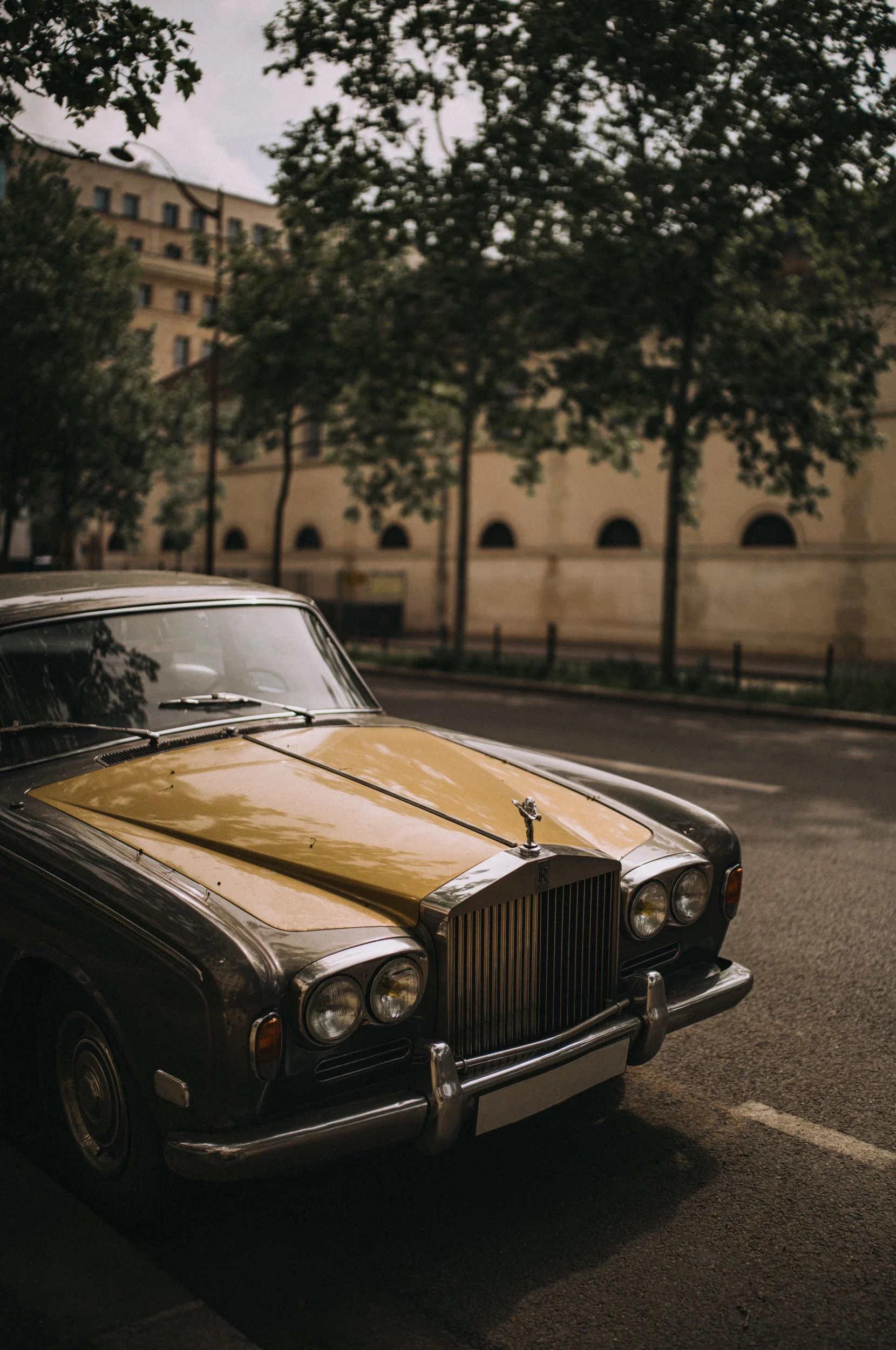
Rolls Royce in Paris , Leica Noctilux-M 35 f/1.2 ASPH on M EV1 by Milan Swolfs
The new Leica Noctilux-M 35 f/1.2 ASPH breaks more traditions than any Noctilux before it.
It is lighter than expected.
It is shorter than any Noctilux that came before.
And it focuses closer than any Noctilux ever has.
In many ways, this is the most practical, most usable Noctilux Leica has ever made. And that is exactly what makes it so interesting.
Because a Noctilux has never been about practicality.
A Noctilux is supposed to be excessive. A little unreasonable. A little mad. It is heavy, expensive, difficult, and very often completely unnecessary. And yet, for decades, it has been one of the most desirable objects in the Leica universe.
Not because you need it.
But because nothing else quite looks like it.
For many years, the Noctilux has been more than just a lens to me. I have owned and worked extensively with every major generation, from the original Noctilux f/1.2 AA, through the legendary f/1.0, the f/0.95, and the 75mm f/1.25. Each of them had its own character, its own way of seeing, but all of them shared the same idea: a lens that is not just about speed, but about rendering, atmosphere, and emotion.
In 2021, I also had the privilege to shoot the official campaign for the Leica Noctilux-M 50mm f/1.2 ASPH, which made that relationship even more personal.
Over the past months, I have used this lens in very different situations, from intimate portraits to spaces where atmosphere and architecture matter as much as the subject. What follows is not a technical breakdown, but a personal reflection on how this lens fits into the Noctilux story, and into the way I work.
The new Noctilux-M 35 f/1.2 ASPH is lighter, smaller, more modern - but does it still have the Noctilux soul?
That is what this story is about.
What Noctilux Really Means

At Leica, the name Noctilux has always meant one thing: a lens faster than f/1.4. Everything at f/1.4 belongs to the Summilux line. Everything faster than that becomes something else entirely. It becomes a Noctilux.
The name itself is a combination of the Latin words noctu or noctis meaning night, and lux meaning light. It is a name that perfectly describes the original purpose of these lenses: to gather as much light as possible and make photography possible in near darkness.
Leica introduced its first Noctilux in 1966 with the legendary Noctilux 50mm f/1.2, a lens that already used double aspherical elements at a time when this was anything but common. From the very beginning, Noctilux lenses were not only about speed, but also about pushing optical engineering to its limits.
More Than Just Speed
Over the years, the meaning of Noctilux has evolved.
Yes, these lenses have always been about extremely wide apertures, from f/1.2 all the way to f/0.95, which is even faster than what the human eye can comfortably perceive in the dark. Originally, this mattered enormously for film and early digital sensors.
Today, modern cameras see perfectly well in the dark. So the Noctilux no longer exists out of necessity.
It exists for something else.
The real reason people buy a Noctilux today is the look.
The extremely shallow depth of field creates a very distinctive rendering, with a dreamlike separation between subject and background. This “Noctilux look” is not just about blur, but about how the image transitions from sharpness into softness, how the subject is carved out of space.
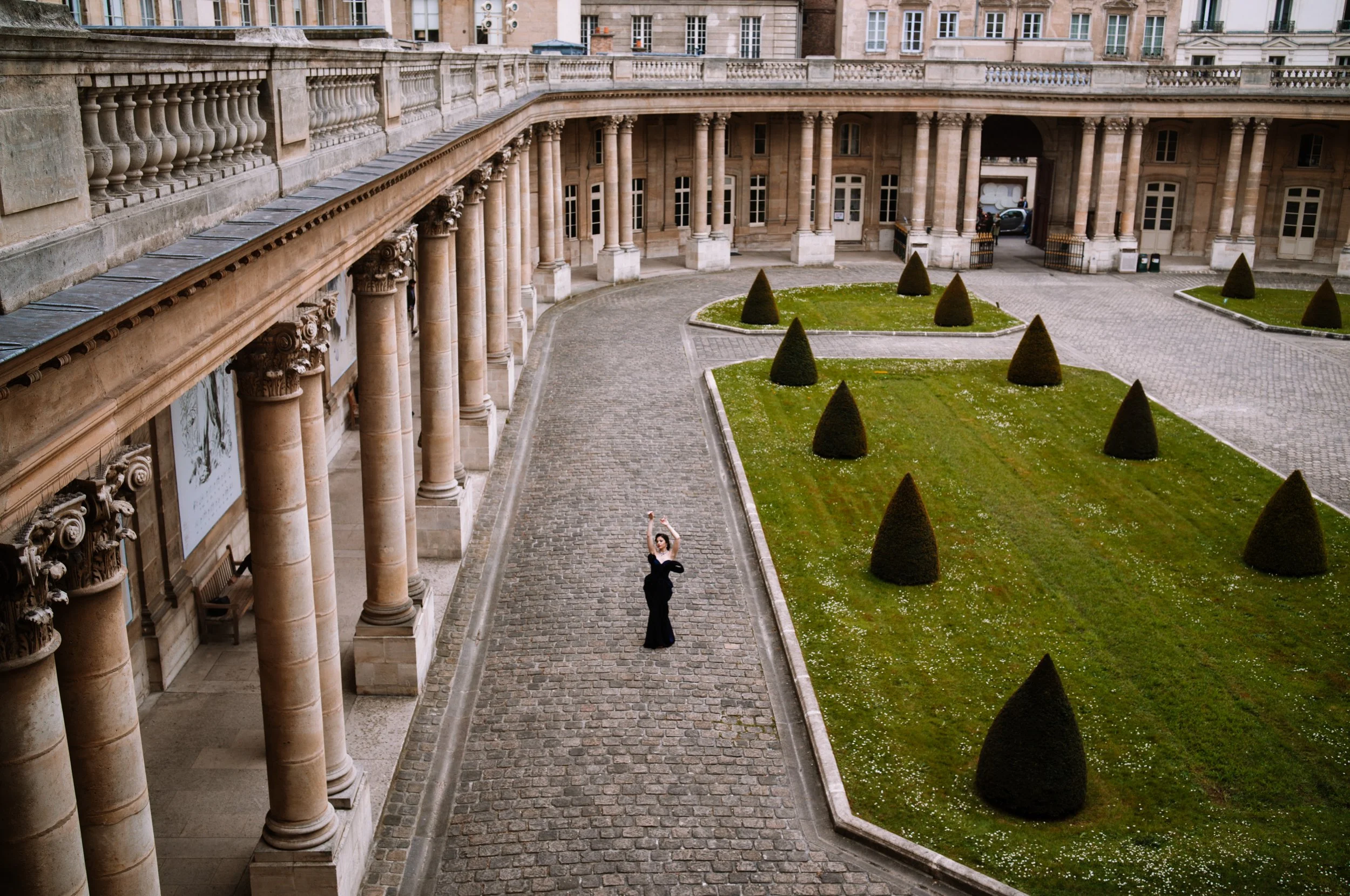
Dann in Paris , Leica Noctilux-M 35 f/1.2 ASPH on M EV1 by Milan Swolfs
Engineering, Myth, and a Certain Madness
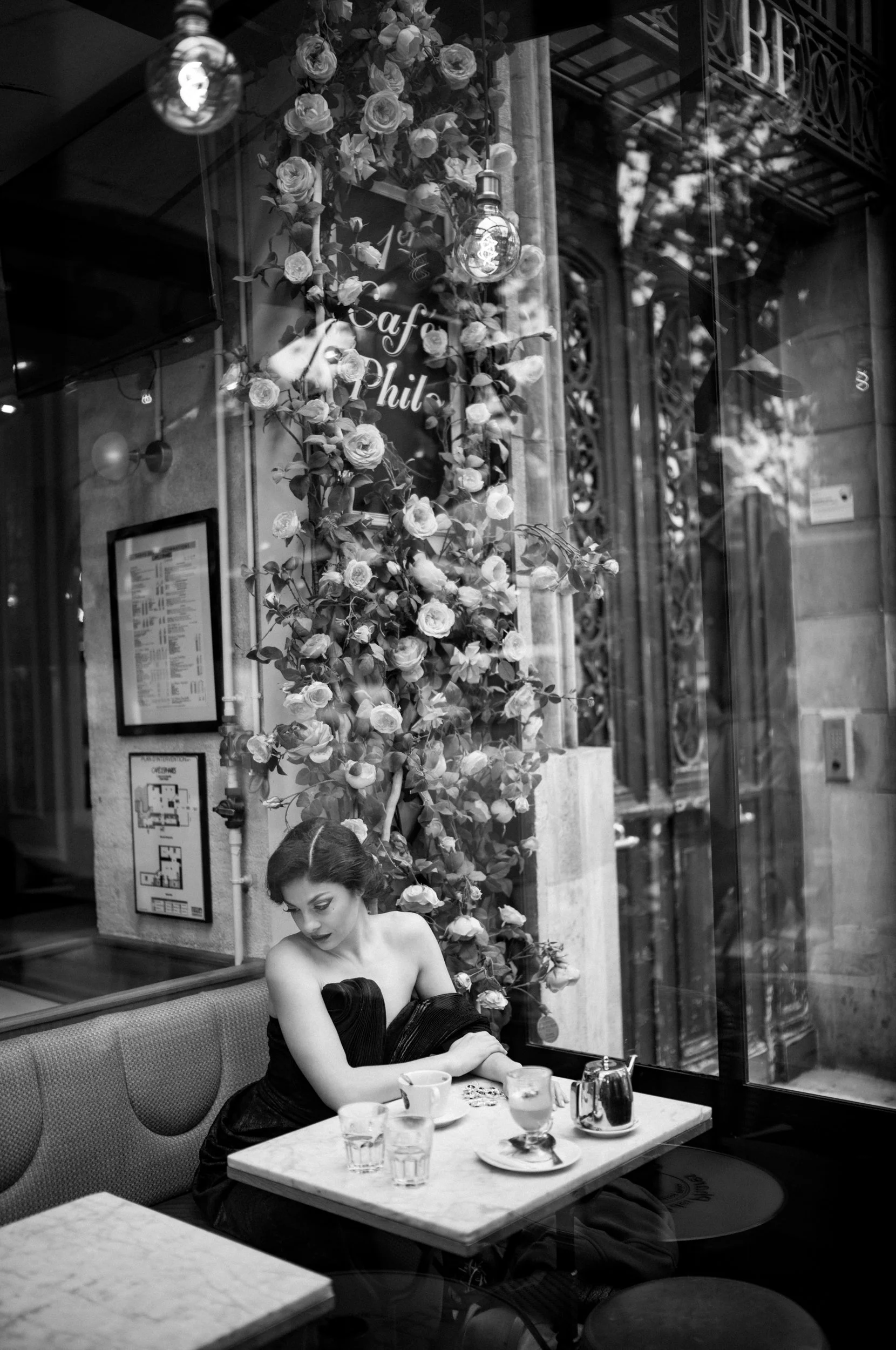
Dann in Paris , Leica Noctilux-M 35 f/1.2 ASPH on M EV1 by Milan Swolfs
A Noctilux has always been a strange object.
It is heavy.
It is expensive.
It is complex.
And yet, it has become a grail item for many photographers.
These lenses are optical and mechanical statements. They use advanced glass types, complex designs, and aspherical elements to perform at apertures where most lenses fall apart. They are not built to be sensible. They are built to be possible.
Even today, when high ISO performance has made such lenses technically unnecessary, the Noctilux remains deeply relevant as a creative tool. Not because you need it, but because nothing else quite looks like it.
Not a Gear Review
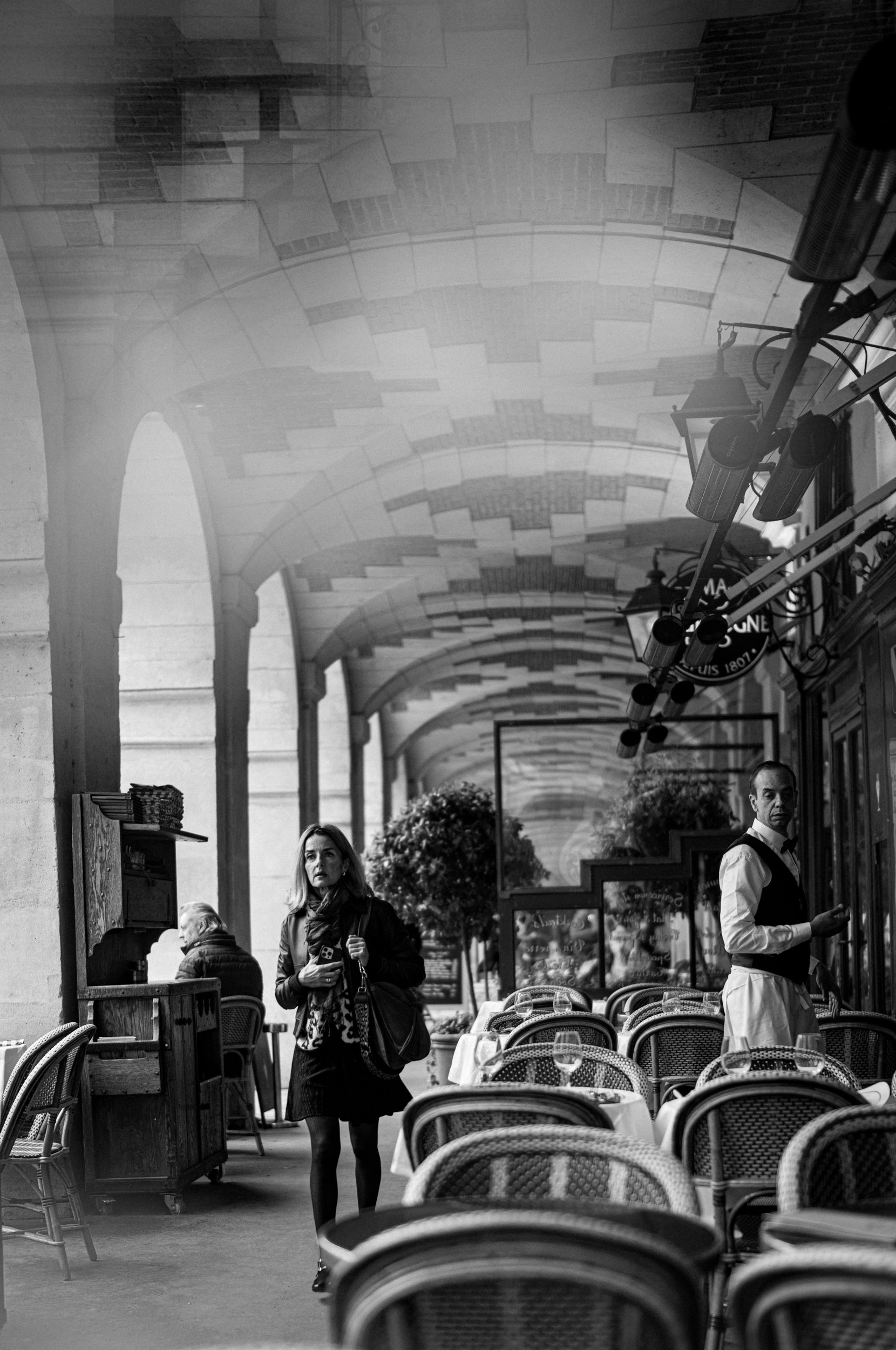
Place des Vosges in Paris , Leica Noctilux-M 35 f/1.2 ASPH on M EV1 by Milan Swolfs
Let me start by saying this again. I am not a gear reviewer. I do not chase specifications, MTF charts, or the latest technical marvel. I only write about things that fascinate me, things I actually use, and things that inspire me to create images.
Having used most Leica cameras and lenses over the years, I sometimes feel that the market has become a bit saturated. Everything is sharp. Everything is corrected. Everything is perfect. And that leads to a simple question: what still excites me today?
I do not need the latest APO lens. I am far more interested in the less understood objects, in lenses that stand out from the crowd, lenses with a cult status. Lenses that are not perfectly sharp, but that make images feel different. Lenses that bring something emotional to the table.
For my kind of photography, that has almost always meant one thing: Noctilux.
My Noctilux Journey
My journey with the Noctilux lenses goes back a long time, all the way to the Leica M9 era. What originally drew me to the Noctilux was not romance or mythology, but something very practical: low light capability. Back then, with CCD sensors and film, fast lenses really mattered.
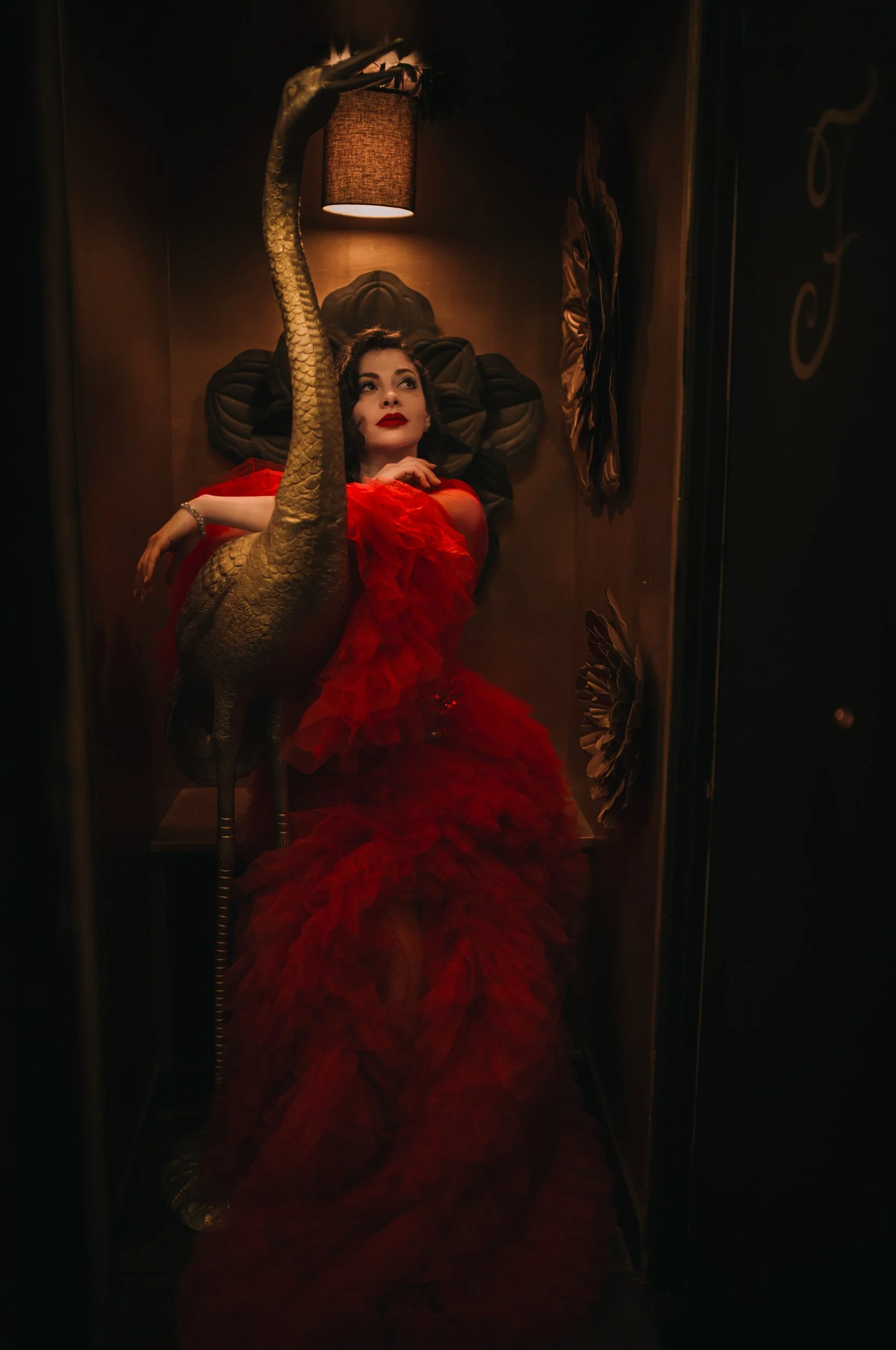
Dann in Paris , Leica Noctilux-M 35 f/1.2 ASPH on M EV1 by Milan Swolfs
I once owned the original 50mm Noctilux f/1.2 and later sold it at exactly the right moment, when prices went completely crazy. At one point, even the box alone was selling for five thousand euros. Just the box. That tells you something about the status of these lenses.
Like many people, I have had a long and complicated relationship with the Noctilux 50mm f/0.95. It is a lens I bought, sold, and bought again. It is heavy, it has purple fringing, and it is anything but subtle. For some photographers, it is the lens. I am thinking of people like Noctigirl or Thorsten Overgaard.
Noctigirl, in particular, used it for a very long time as her only M lens, and her passion for it is truly contagious.
For me, though, things eventually settled differently.
50mm Noctilux f/1.2, f/1.0, f/0.95 and Finding My Balance
If I had to summarize my relationship with the Noctilux family, it would look like this:
The 50mm f/1.2 for its size and classic rendering
The 50mm f/1.0 for the balance between sharpness, mood, and out-of-focus rendering
The 50mm f/0.95 Asph for its extreme character and technical ambition
The lens I used the most over the years is undoubtedly the Noctilux 50mm f/1.0. I have done countless shoots with it, both in color and on the Monochrom. For me, it hits a very special balance between character and usability.
The Noctilux Family Today
Today, Leica’s Noctilux lineup consists of three lenses:
Noctilux-M 50mm f/1.2 Classic Reissue (2021)
Noctilux-M 50mm f/0.95 Asph (2008)
Noctilux-M 75mm f/1.25 Asph (2018)
I own and have used all three.
The Noctilux lenses have always been a gateway drug into Leica. Whether someone starts with a Q or an M, sooner or later, the Noctilux appears on the radar. They represent a certain kind of optical magic, but that magic comes at a price: size, weight, and money. The 75mm Noctilux, in particular, is currently the most expensive lens in Leica’s lineup.
The 75mm Noctilux deserves a special mention. It is without any doubt the sharpest and most modern-looking Noctilux Leica has ever made. If I had to describe it, I would call it something like an APO lens on steroids, sprinkled with Noctilux magic dust. It produces absolutely stunning portraits, with incredible separation and clarity.
That said, it is also a very heavy lens. At 1055 grams, with a barrel diameter of 74mm (for comparison, the 50mm f/0.95 is already 73mm in diameter), this is not a lens you casually take for a walk. I bring it along for serious, planned shoots, but it is not a lens I enjoy carrying around all day.
To be honest, the 75mm Noctilux feels like a lens that belongs more on the SL system than on an M. It works on the M, of course, but in terms of balance and handling, it is very much at the limit of what I personally find comfortable on a rangefinder.
If I had to give the three Noctilux lenses personalities:
The 50mm f/1.2 is the smallest and most retro.
The 50mm f/0.95 is the fastest and most extreme.
The 75mm f/1.25 is the biggest, heaviest, and most technically impressive.
The 75mm has never been as popular as the 50mm versions. That might be due to its size, or simply because 50mm remains the emotional center of the Leica universe.
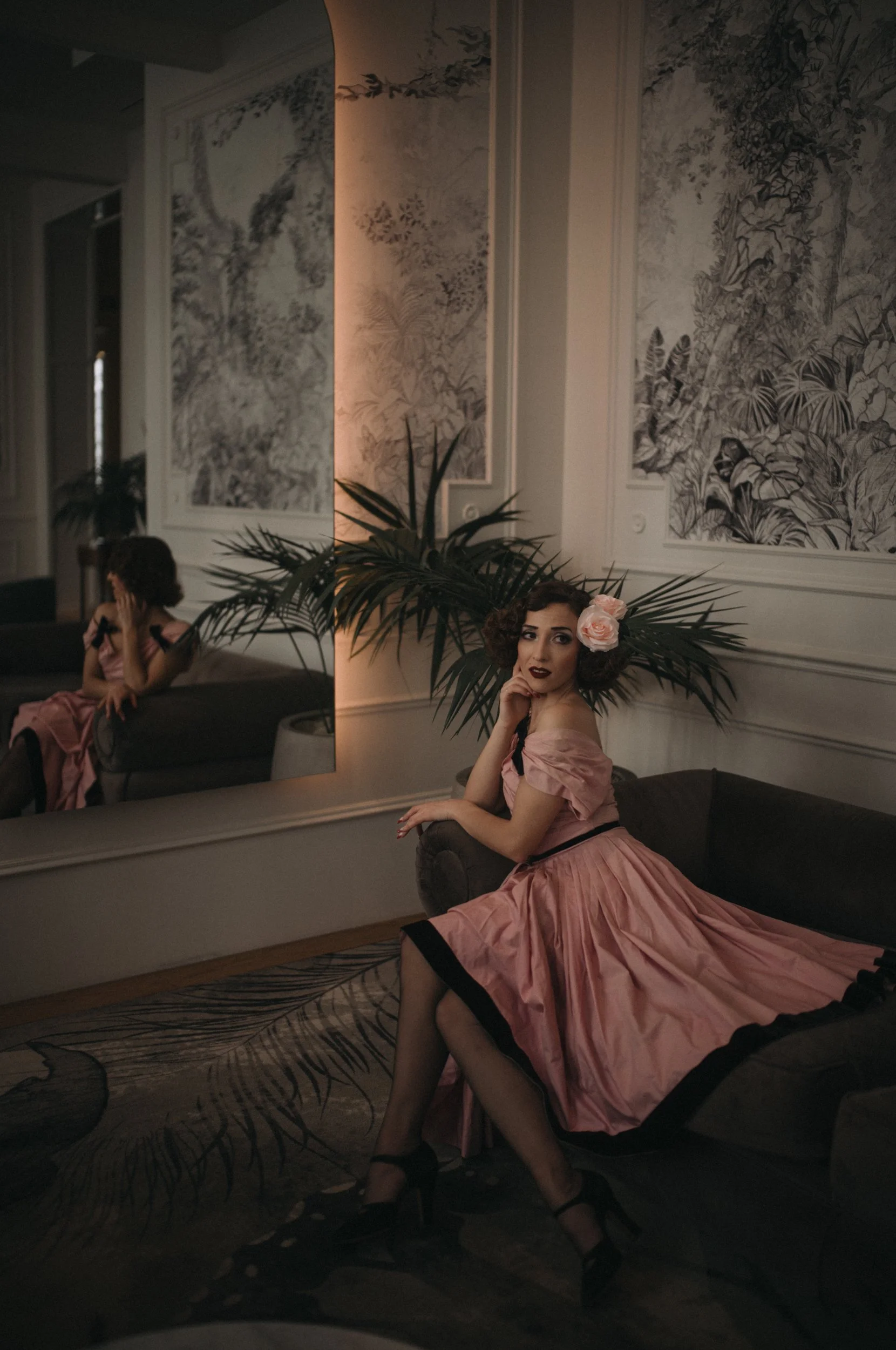
Chanelle in Antwerp , Leica Noctilux-M 35 f/1.2 ASPH on M EV1 by Milan Swolfs
Why Noctilux Still Matters Today
Originally, Noctilux lenses made perfect sense for film and early digital sensors. Light gathering mattered. High ISO was limited. Today, that has changed completely. Modern sensors see in the dark.
Today, you do not buy a Noctilux for necessity. You buy it for the dream.
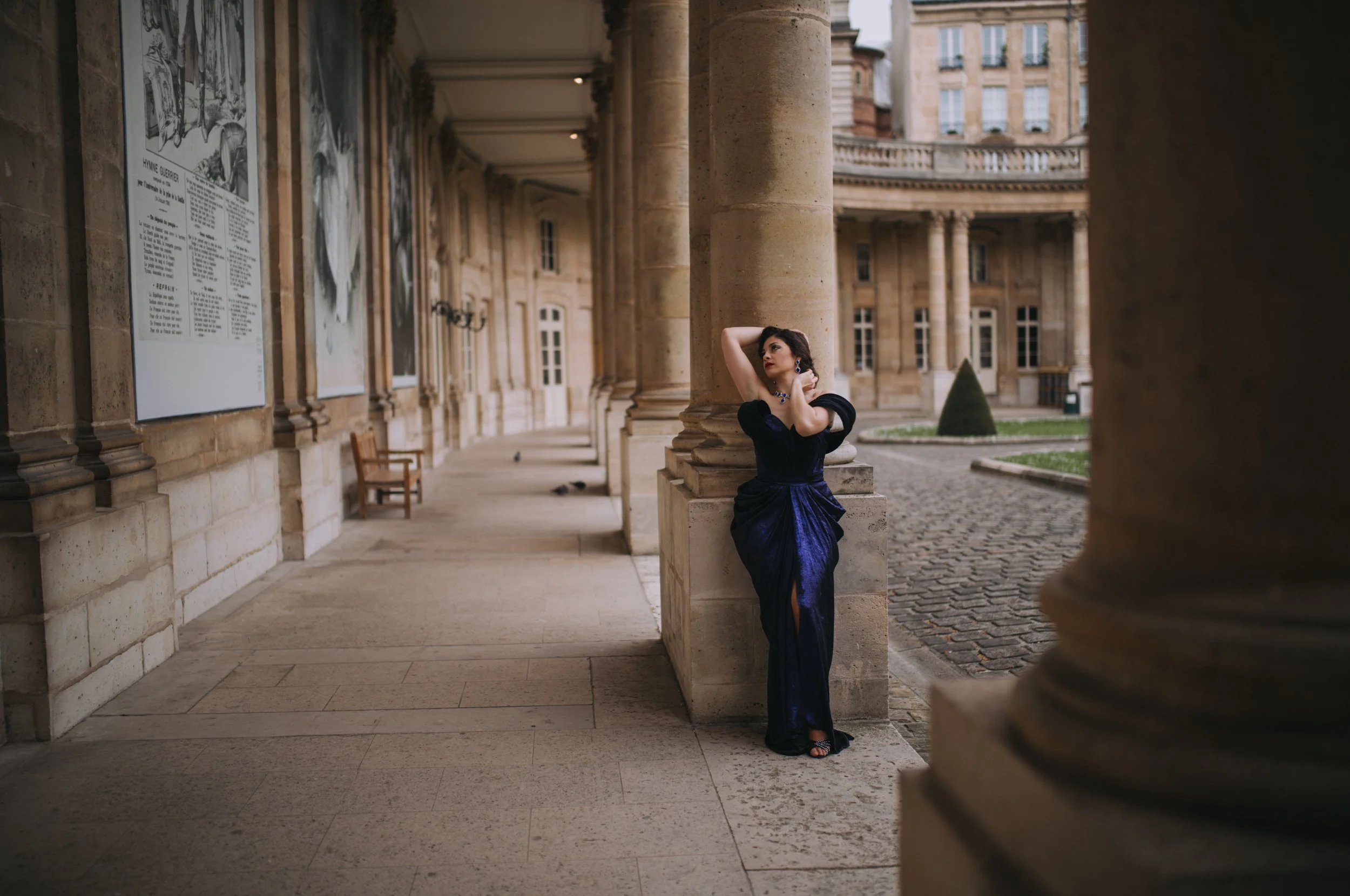
Dann in Paris , Leica Noctilux-M 35 f/1.2 ASPH on M EV1 by Milan Swolfs
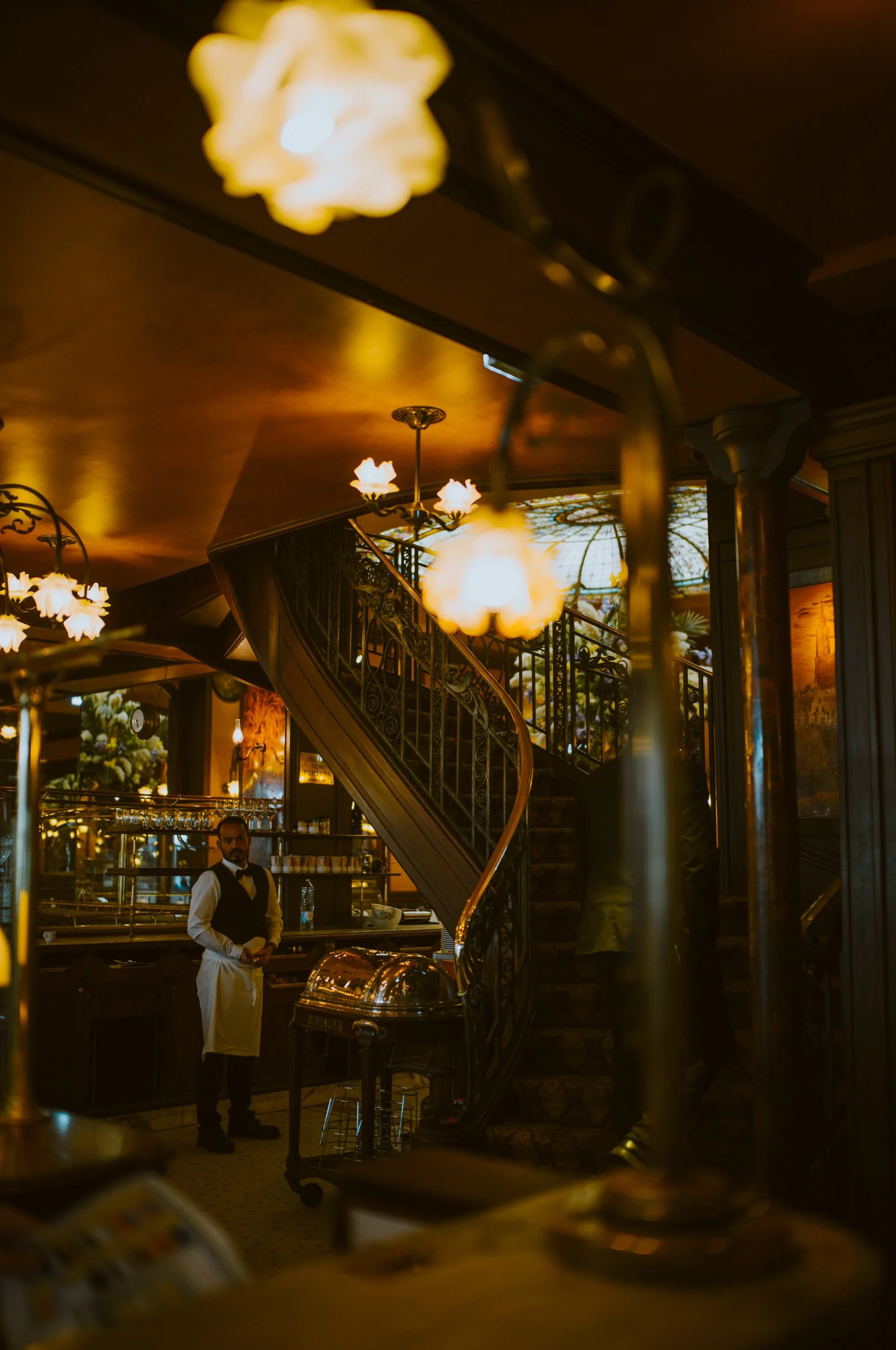
Paris , Leica Noctilux-M 35 f/1.2 ASPH on M EV1 by Milan Swolfs
The market has shifted. Canon made ultra-fast lenses already in the 1960s. Today, many Asian manufacturers offer extremely fast 50mm lenses. But one thing is still true: Leica never made a 35mm faster than f/1.4. Not until now.
Voigtländer did it with the 35mm f/1.2 in several versions. I owned the V2 at some point, but it was never truly my lens. More recently, I discovered the Zenit Zenitar 35mm f/1, which deserves a review of its own.
Still, in the Leica world, the two camps have always been clear: 35mm or 50mm.
The First LEICA NOCTILUX-M 35 f/1.2 ASPH
And that brings us here.
For decades, Leica users have been divided between 35mm and 50mm. So it was only a matter of time before Leica would bring the Noctilux concept to 35mm.
Ladies and gentlemen, here it is:
The first Leica 35mm Noctilux.
And yes, there is a lot to talk about.
Centennial celebration at Wetzlar
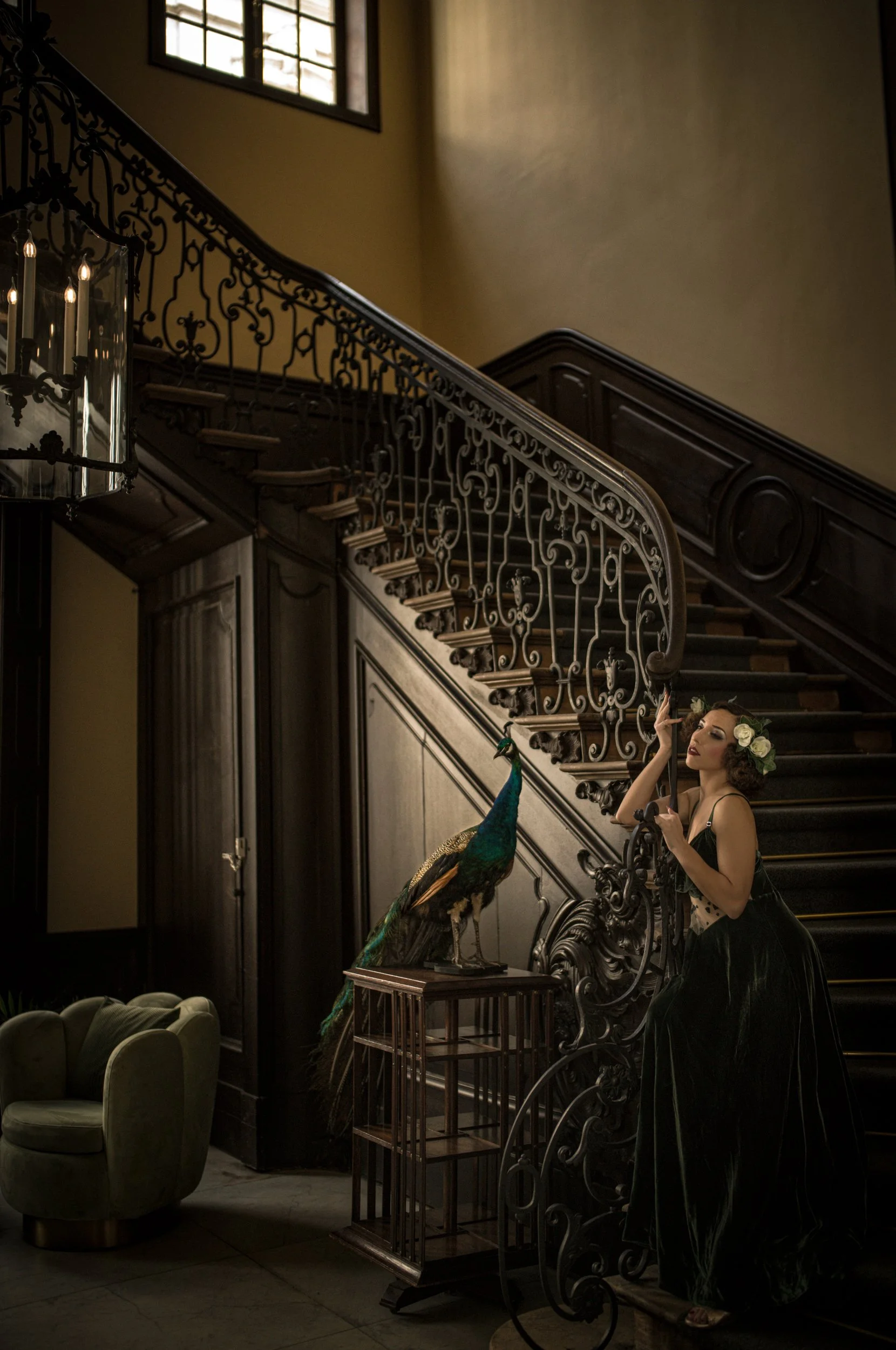
Chanelle in Antwerp , Leica Noctilux-M 35 f/1.2 ASPH on M EV1 by Milan Swolfs
I was fortunate to be able to test the 35mm Noctilux before its official release. My first copy arrived around May 2025, and later, during the Leica 100 Years celebration in Wetzlar, I received a second copy of the lens.
As always, I do not test lenses by photographing brick walls, flowers in the backyard, or random objects. I use them on assignment, in the real world, with real people. The only way for me to understand a lens is to see how it fits into my own work and my portfolio.
The 35mm Noctilux was so good that I left it on my camera for the entire trip.
I used to be a 50mm guy, without any doubt. But over the last years, my love for 35mm lenses, and especially fast ones, has grown a lot. Today, a 35mm has become a standard lens in my portrait kit.
A Few Words About the Engineering
I will not go into MTF charts, distortion graphs, or lens cross-sections in any scientific way. Others do that much better than I ever could, and frankly, that is not what this article is about.
But a few things are worth mentioning.
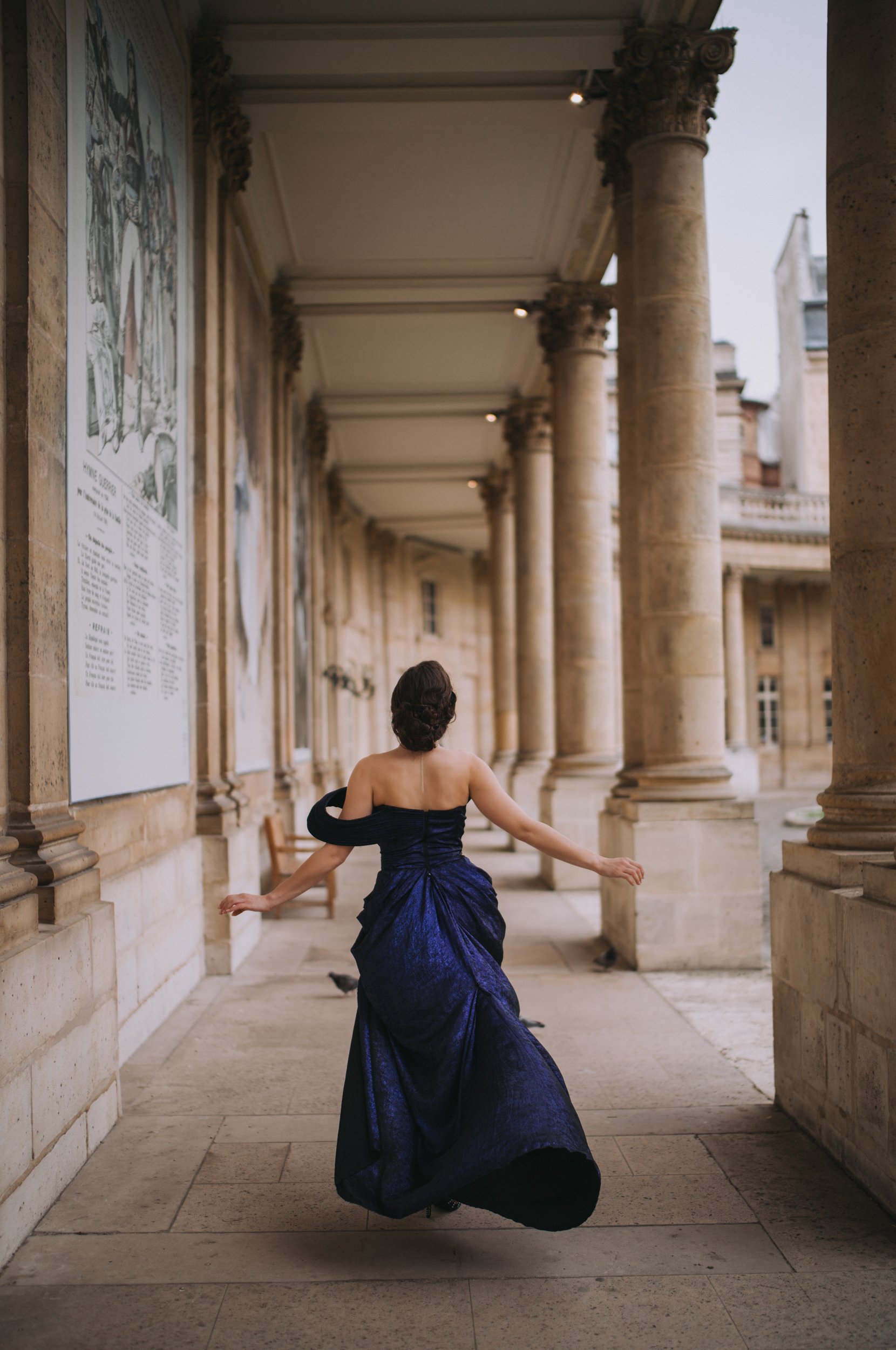
Dann in Paris , Leica Noctilux-M 35 f/1.2 ASPH on M EV1 by Milan Swolfs
The Noctilux-M 35 f/1.2 ASPH is a completely new optical design consisting of 10 elements in 5 groups, with no less than three aspherical surfaces. This already tells you a lot about Leica’s intentions here. This is not a simple, romantic, old-school design. This is a modern lens, built to keep things under control at an aperture where most lenses completely fall apart.
Despite being a Noctilux, the lens is surprisingly compact. At around 416 grams and just over 50mm in length, it is far smaller and lighter than one would expect from a lens with these specifications. It takes E49 filters, has a built-in extendable hood, and feels much closer to a Summilux in daily use than to the big Noctilux monsters like the 50mm f/0.95 or the 75mm f/1.25.
One of the most important design choices is the minimum focusing distance of just 0.5 meters. This is extremely unusual for a Noctilux and makes a huge difference in practice. It allows for much more intimate framing and is one of the reasons why this lens feels so versatile and modern in real-world use.
Looking at Leica’s own technical data, it is also clear that they did not design this lens as a “wild” Noctilux. Distortion and vignetting are well controlled for a lens of this speed, and the MTF curves show a strong emphasis on contrast and resolution even at full aperture. In other words: this lens was clearly designed to be used wide open, not just to impress on paper.
In spirit, this is not a vintage Noctilux. It is a contemporary interpretation of the idea: a lens that delivers the Noctilux look, but in a far more controlled, usable, and all-round way.
Shooting with Dann and Chanelle
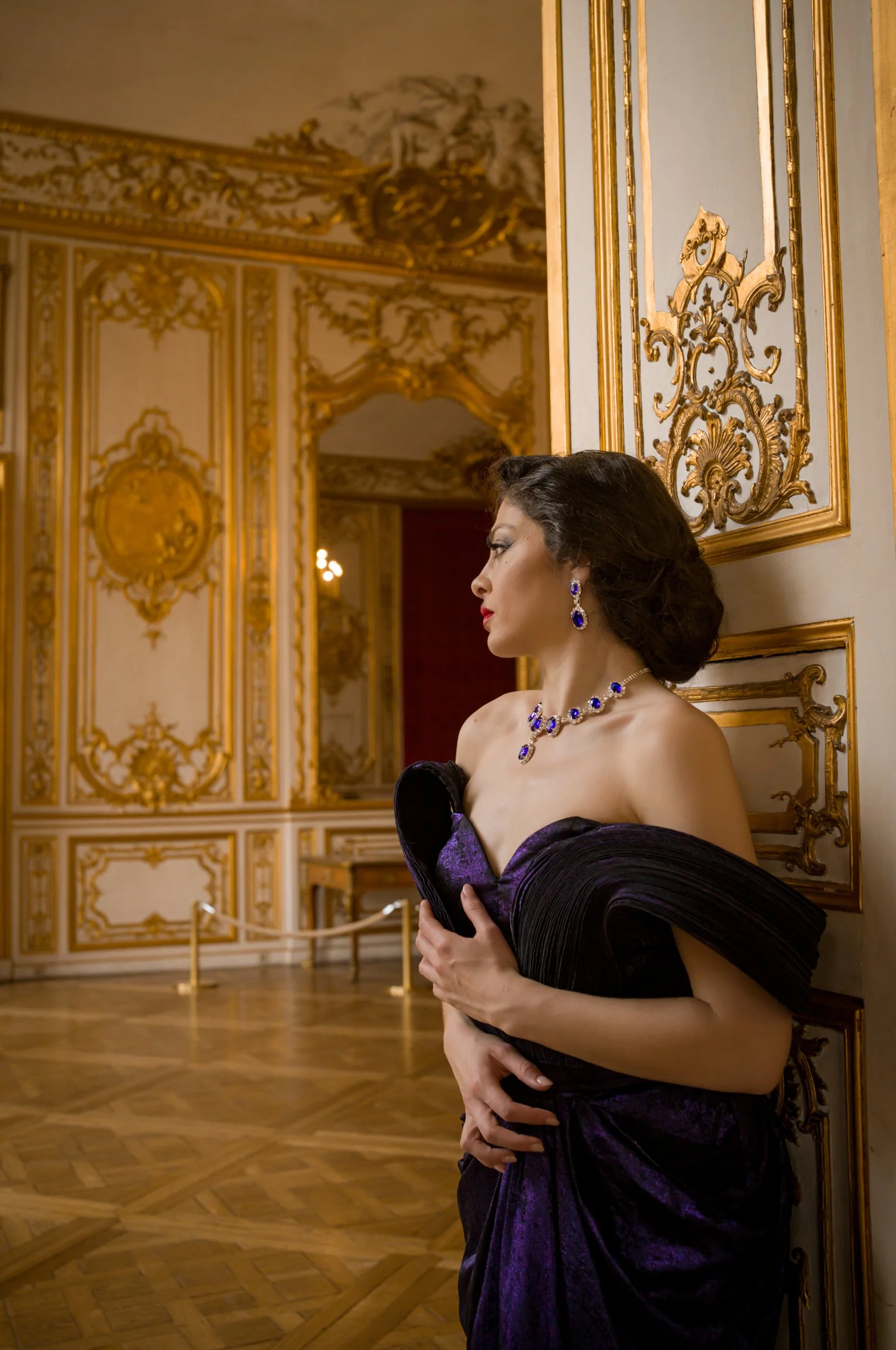
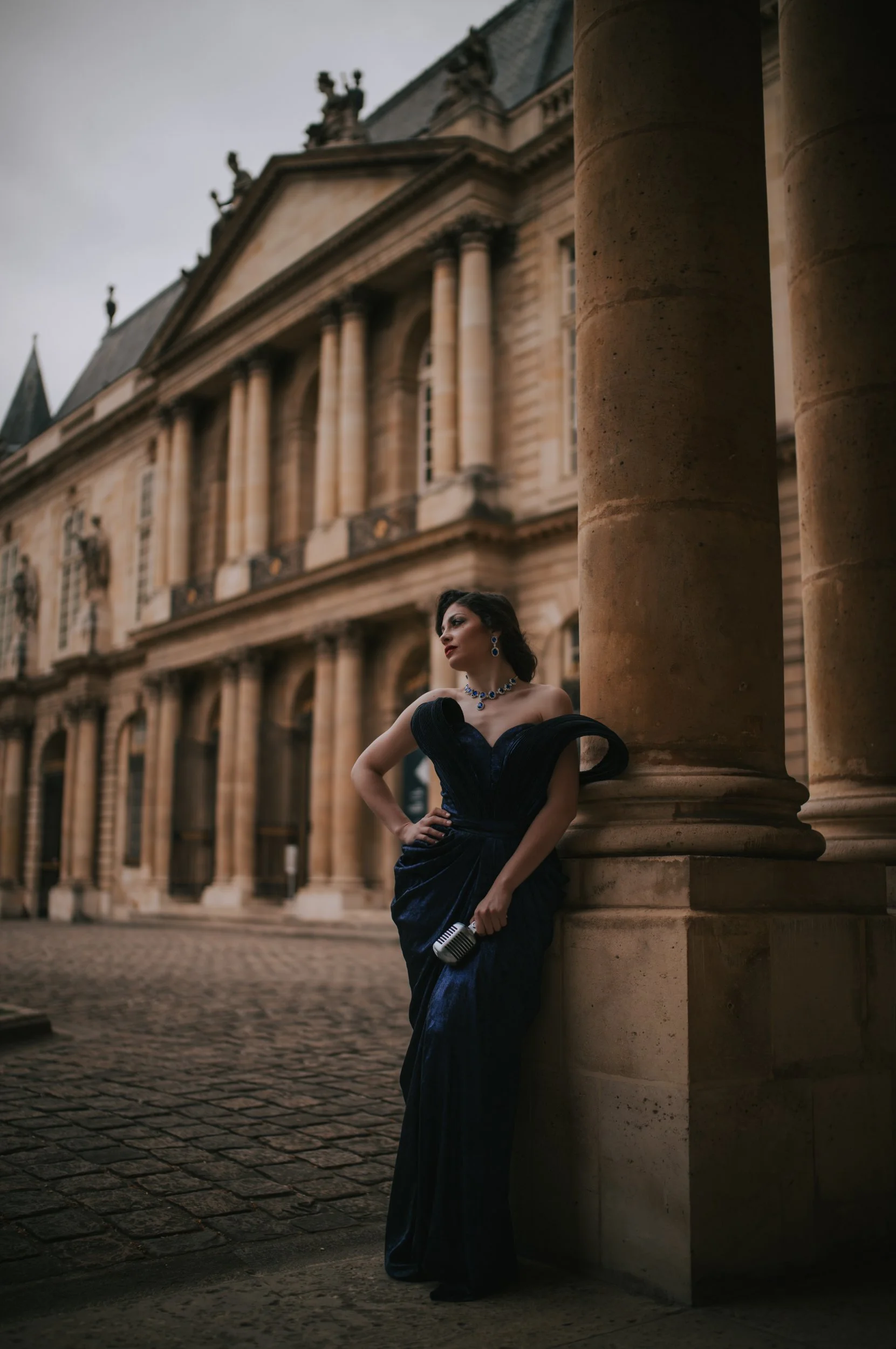
Dann in Paris , Leica Noctilux-M 35 f/1.2 ASPH on M EV1 by Milan Swolfs
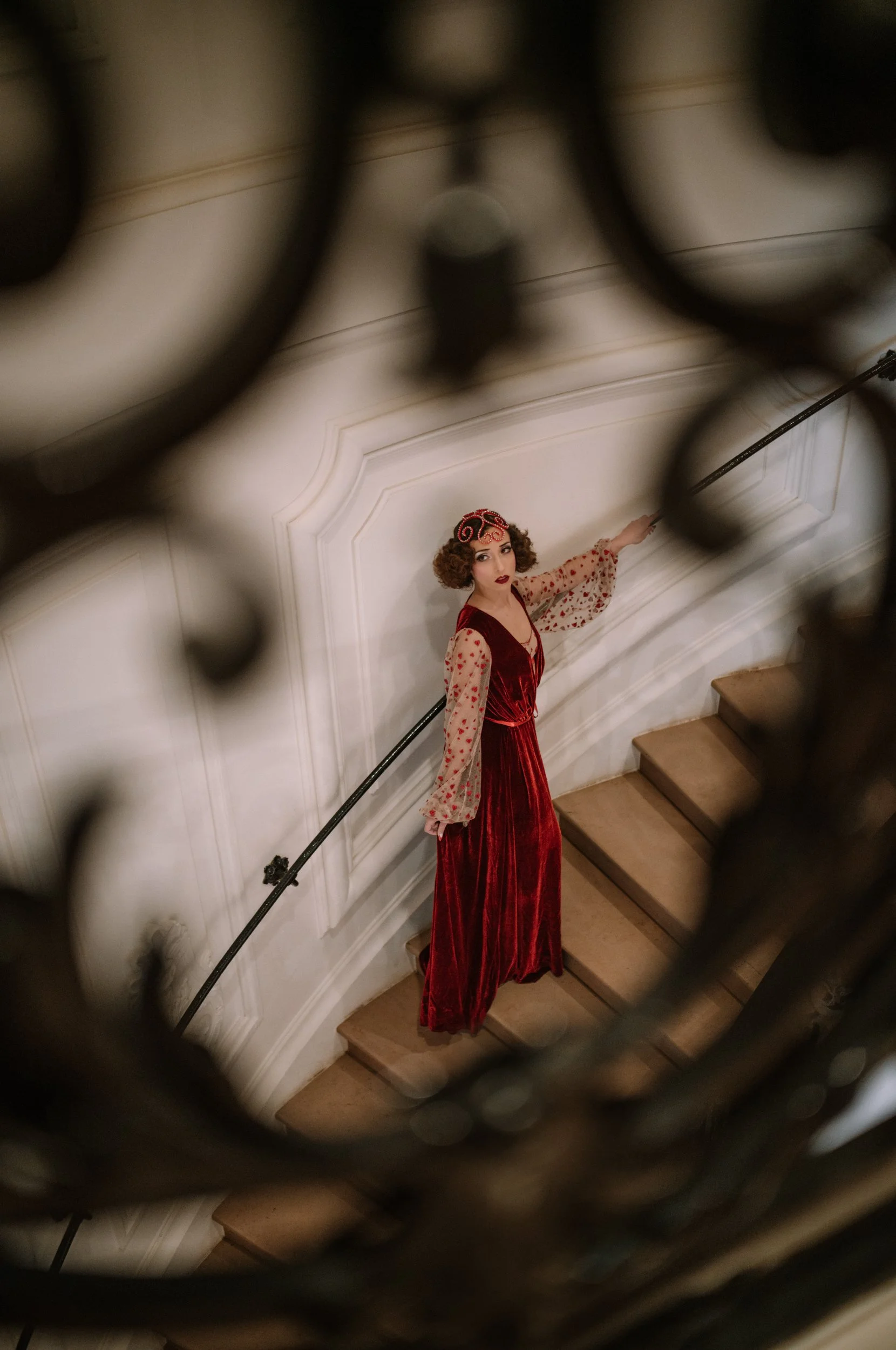
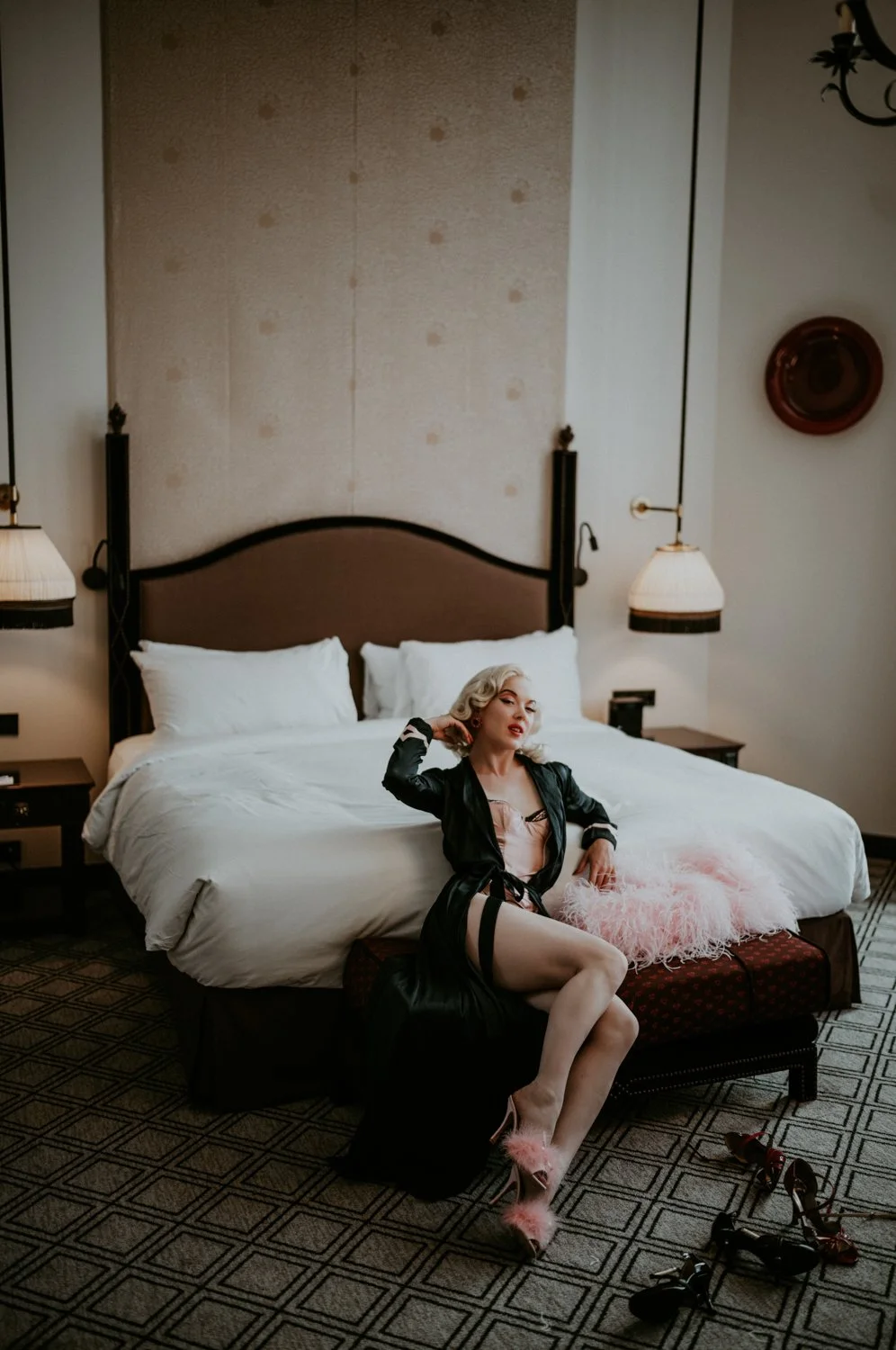
I had the opportunity to shoot with two wonderful models, Dann and Chanelle, each in very different settings that allowed me to explore the versatility of the 35mm Noctilux.
Dann, a performing artist from Bordeaux, is a dancer, singer, and actress who delivers stunning artistic performances. We connected immediately via Instagram and planned some outdoor shots before finding our way into a hidden bar in Montmartre, which gave me the perfect chance to test the lens in both natural light and low-light indoor situations.
For this shoot, I paired the 35mm Noctilux with the M EV1 prototype on loan from Leica Camera AG.

Chanelle in Antwerp , Leica Noctilux-M 35 f/1.2 ASPH on M EV1 by Milan Swolfs
Chanelle, a burlesque star and costume maker from Paris who travels the world with her shows, joined me for a separate shoot. We experimented with several setups, from a hotel staircase to more intimate boudoir-style scenes. She knows exactly how to pose, which gave me the confidence to use the Noctilux for every shot. While the Paris shoot with Dann relied mostly on available light and indoor stage lamps, the Chanelle shoot allowed me to incorporate Harlowe LED lights and color gels to create a variety of moods and atmospheres.
The 35mm Noctilux delivered beautifully in every scenario, from lingerie shots for Evgenia Lingerie to more cinematic compositions. Its wider 35mm view allowed me to incorporate architectural elements for framing, like the pillars of a staircase, and I continued to enjoy using reflections creatively. A few images were captured with the Noctilux-M 50mm f/1.2 reissue, but most were taken with the 35mm Noctilux, which proved to be a perfect all-rounder. Whether for travel, portraits, or landscapes, this lens could easily serve as a one-lens solution, letting its speed create subtle, magical effects.
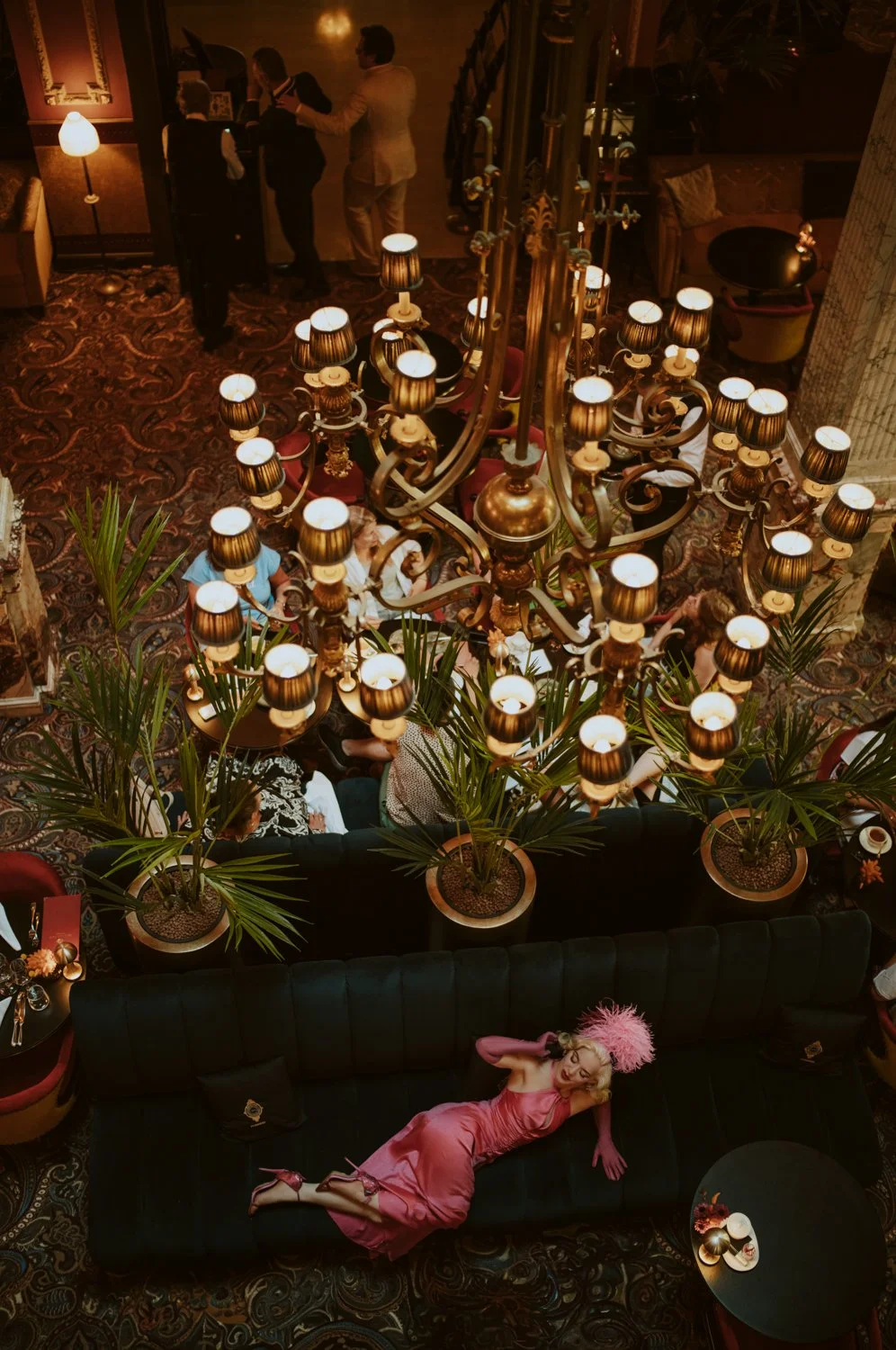
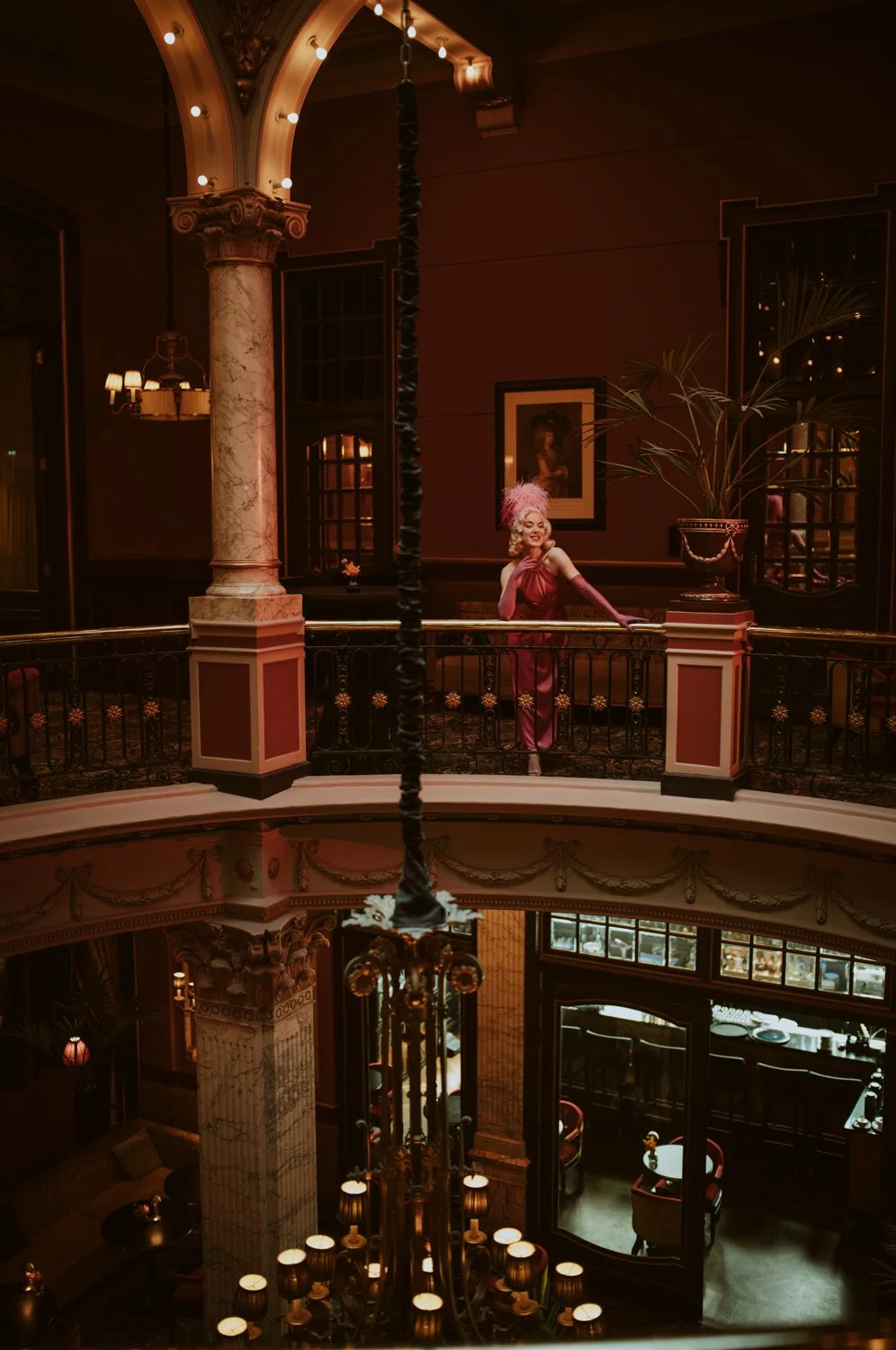
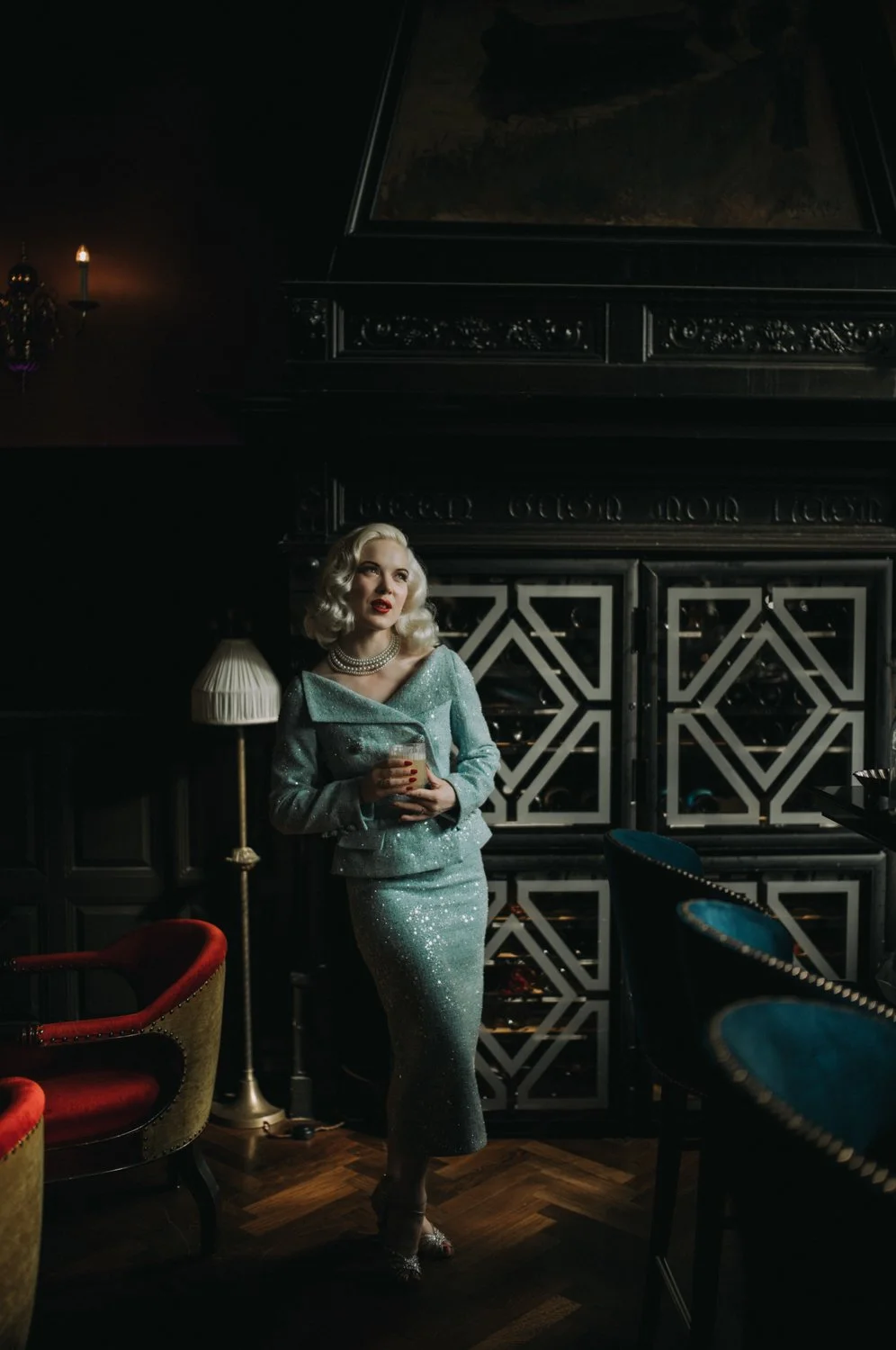
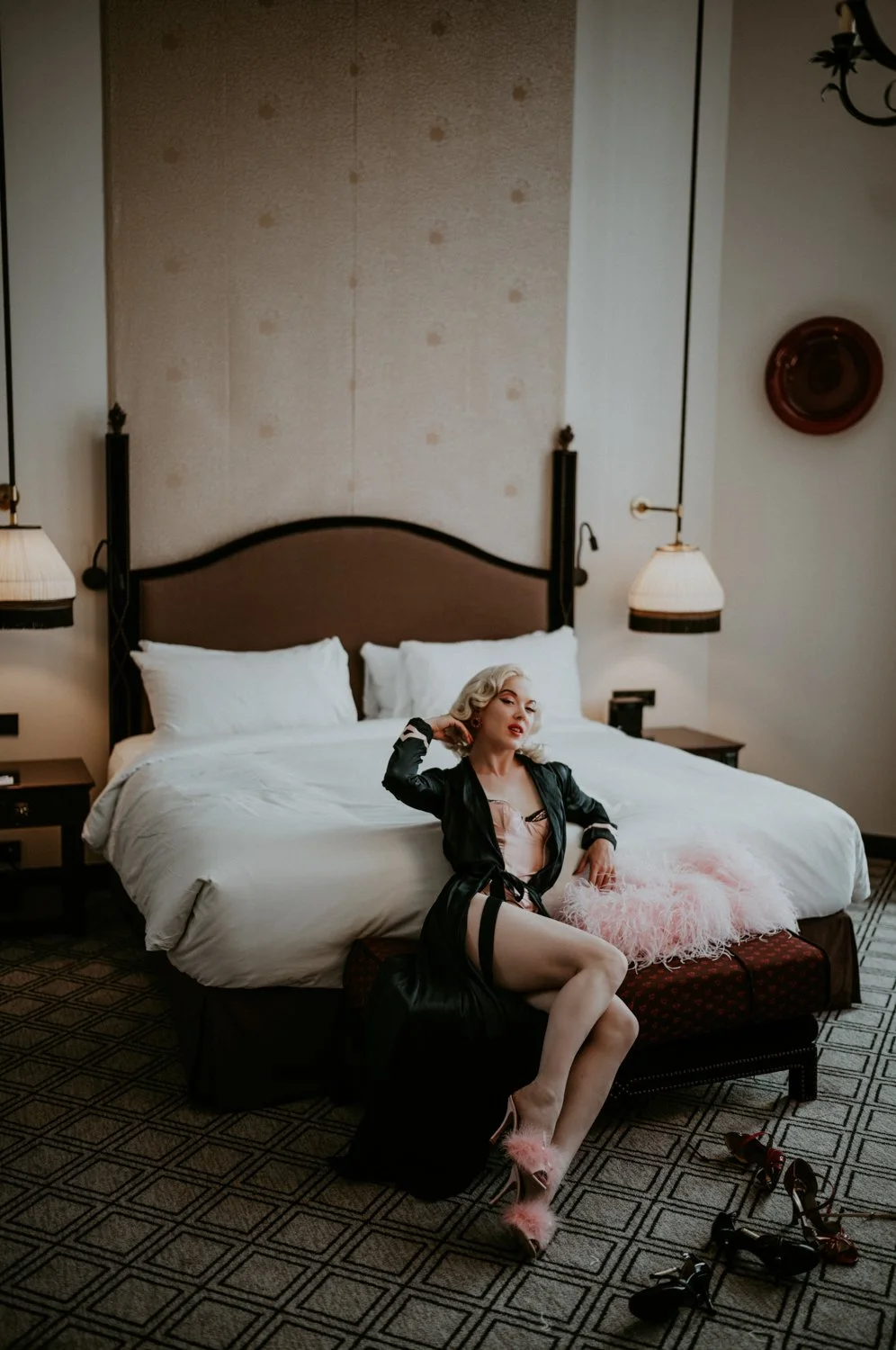
An Afternoon with Fay at Hotel Des Indes
This story also brought me to the legendary Hotel Des Indes in The Hague, where I photographed Fay Loren. A place like this is almost a character in itself. High ceilings, long corridors, soft light, and a quiet, old-world elegance that feels untouched by time. It is a perfect environment to see how a lens handles not only a subject, but also space.

Fay at Hotel Des Indes, Leica Noctilux-M 35 f/1.2 ASPH on M EV1 by Milan Swolfs
Fay is a performer first, and it shows. There is something timeless and quietly cinematic about her presence. We used the Noctilux-M 35 f/1.2 ASPH both for more intimate portraits and for images where the architecture and atmosphere play an important role. The wider 35mm field of view makes it possible to show the scale of the rooms while still keeping the subject very present in the frame.
Some of the images were made with Harlowe lighting, always in a very subtle way and only where it made sense, so as not to disturb the guests. In many situations, I relied purely on natural light or a small Harlowe Avant Max, precisely because it is compact and unobtrusive and fits naturally into a place like this.
One small detail I particularly enjoyed photographing was a series of close-ups with macarons. This is where the close focusing distance of 0.5 meters really shows its strength. The lens allows you to get close while still keeping a beautiful sense of depth and separation.
What impressed me most here is how well the f/1.2 aperture works in the dimly lit corridors and rooms of the hotel. Even in very low light, the lens makes it possible to keep shooting while still showing the height of the ceilings, the depth of the spaces, and the atmosphere of the location.
This is where the Noctilux-M 35 f/1.2 ASPH really proves itself as more than just a “special effect” lens. It is fast, yes, but it is also a lens that lets you tell a story with both your subject and the space around them.






Size, Weight, and Handling
Let me say this clearly: the 35mm Noctilux is much smaller and lighter than you might expect.
Even compared to the 50mm f/1.2, it is only slightly heavier, a bit wider, and a bit longer. Compared to a 35mm Summilux, yes, it is bigger, but the difference is nowhere near as dramatic as the jump between a 50mm Summilux f/1.4 and the 50mm Noctilux f/0.95.
In real use, it feels surprisingly well balanced on the M.
Focusing and Real-World Use
This is the easiest Noctilux to focus. I felt that this lens is the easiest to tame of the Noctilux series. It is the fastest 35mm, but it is not as hard to focus as other Noctilux offerings, even with the rangefinder.
With the release of the Leica M EVF, the Noctilux will be used more often than ever on M cameras. The viewfinder makes the Noctilux an easy lens to use.
This kit felt absolutely right, like a combination made to be, and it will make a lot of older Leica users very happy.
The Noctilux-M 35 f/1.2 ASPH feels like a Summilux on steroids. Controlled, but with something extra. It is difficult to describe, but it reminds me a bit of the wider S lenses like the Summarit-S 35mm f/2.5 or the Elmarit-S 45mm f/2.8, but with much less depth of field.
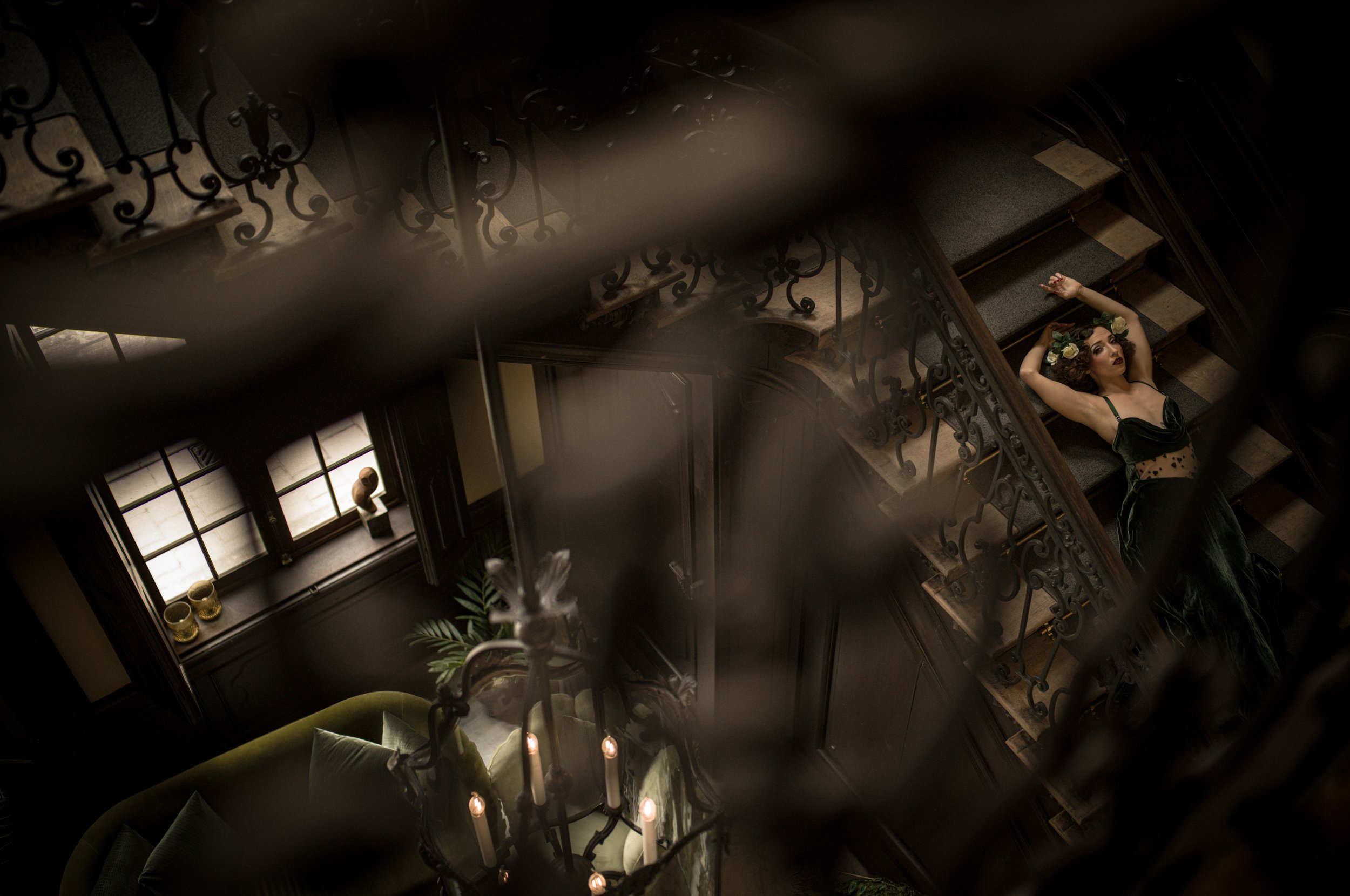
Chanelle in Antwerp , Leica Noctilux-M 35 f/1.2 ASPH on M EV1 by Milan Swolfs
Why You Buy a Noctilux
You do not buy a Noctilux for technical perfection.
You buy it for the look.

Paris , Leica Noctilux-M 35 f/1.2 ASPH on M EV1 by Milan Swolfs
So yes, it better give you less depth of field than a 35mm Summilux.
Most Noctilux lenses have a minimum focusing distance of 1 meter, but this is not the case here. The Noctilux-M 35 f/1.2 ASPH focuses down to 0.5 meters, which is a big deal in practice and allows for much more intimate framing and close-up portraits.
Blende Auf, f1.2
As with most of my tests, I shot this lens mostly wide open. I wanted to see what it does at f/1.2, because that is the whole point of this lens.
The look is clearly different from a Summilux. This is where your premium goes: the separation, the depth, the bokeh.
Is it sharp? Yes, absolutely. It has all the modern Leica rendering you would expect. Contrast and sharpness are clearly there.
But the look is softer and more controlled, not aggressive. The bokeh is calmer and more disciplined than on other Noctilux lenses.
At first, you might even ask yourself:
Is this really that different from a Summilux?
Because it is not as wild as the 50mm f/0.95 and not as vintage as the 50mm f/1.2.
Color Rendition
The color rendition of the Noctilux-M 35 f/1.2 ASPH on both the M11-D and M EV1 is excellent. Colors are very true to life — perhaps a touch more saturated and leaning slightly toward warmer, yellow tones, but this is largely a characteristic of the sensors themselves. A little post-processing is usually enough; I always follow my workflow, which suits my style, and I often slightly desaturate oranges and yellows in skin tones.
That said, the lens itself is extremely faithful to reality and performs very well in color. To be honest, I haven’t really used the Noctilux-M 35 f/1.2 ASPH on the Monochrom — I loved the colors too much! For black-and-white work, I personally prefer more vintage glass on a Monochrom sensor.
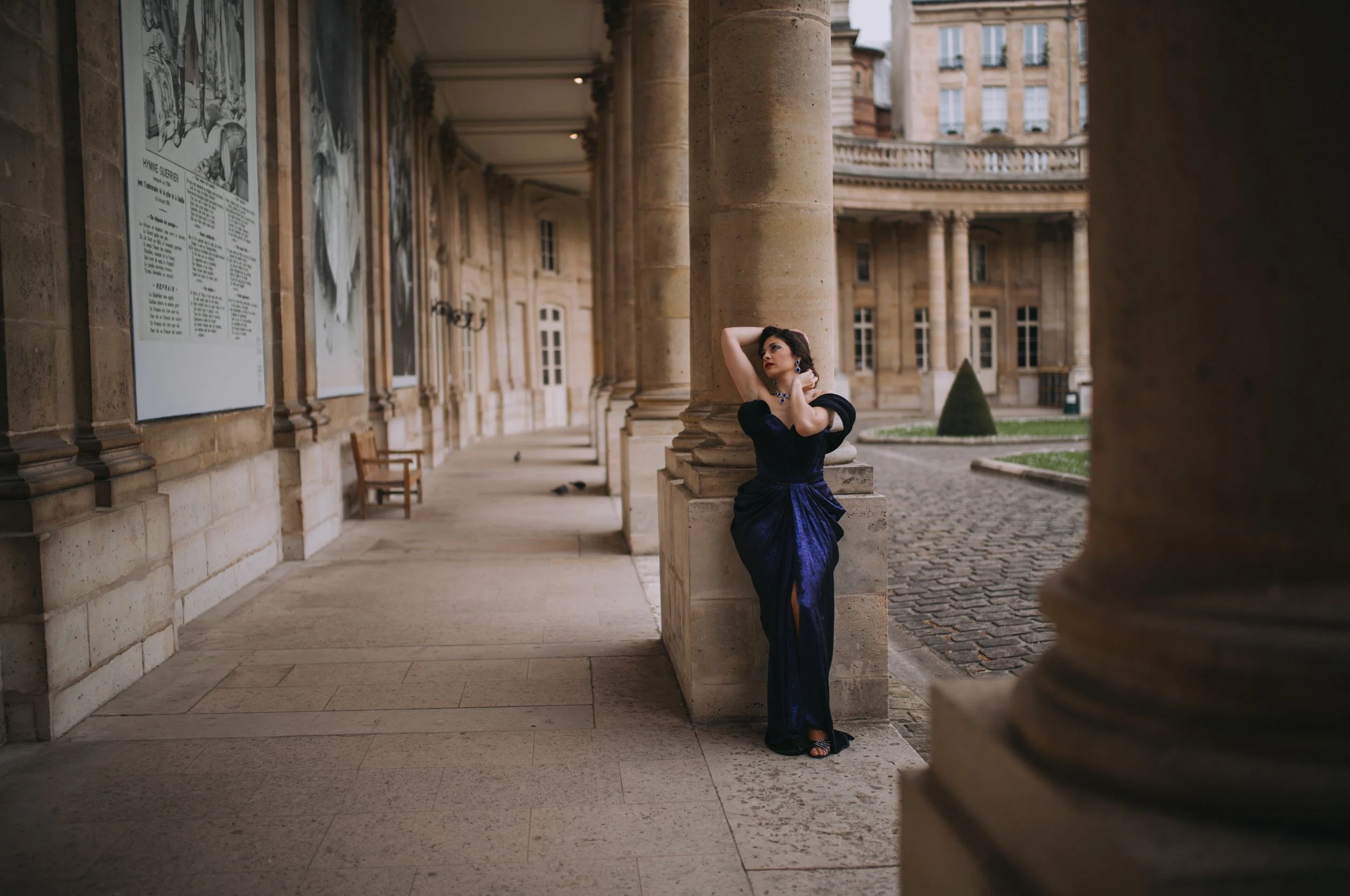
Dann in Paris , Leica Noctilux-M 35 f/1.2 ASPH on M EV1 by Milan Swolfs
A Cinematic, Medium Format Feel
And yet, the difference reveals itself in the images.
The Noctilux-M 35 f/1.2 ASPH creates something very special. A wide-angle lens with this much subject separation produces a look that almost feels medium format-like. The images have a very cinematic quality.
I mostly shoot in portrait orientation, but with this lens, shooting landscape and cropping to 16:9 makes a lot of sense and enhances that cinematic feeling even more.
Modern Performance, Controlled Character

Dann in Paris , Leica Noctilux-M 35 f/1.2 ASPH on M EV1 by Milan Swolfs
Chromatic aberrations are very well controlled.
In many ways, this Noctilux might be the perfect all-rounder. It has all the strengths of modern Leica lenses, with a bit of Noctilux magic dust added.
For me, however, it is also the most modern and most perfect of all Noctilux lenses. It is extremely versatile, extremely capable, and probably the best performer of the whole lineup.
But if I am completely honest, it lacks a bit of the vintage soul of the 50mm f/1.2. That is not a bad thing at all. For most people, it will actually be a huge advantage.
In spirit, it feels more like the 75mm Noctilux than like the classic 50mm f/1.2.
The Price of the Noctilux Dream
Let us be honest: this is not a rational purchase. A Noctilux never is.
You can take incredible photographs with a Summilux. You can take incredible photographs with far cheaper lenses. This lens is not about need. It is about desire.
You pay a lot for that extra stop. You pay for the engineering, for the glass, for the fact that Leica decided to do something slightly mad in a world where nobody really needs it anymore.
This lens is not for everyone. It is for people who already know exactly why they want it.
The Noctilux-M 35 f/1.2 Asph Experience
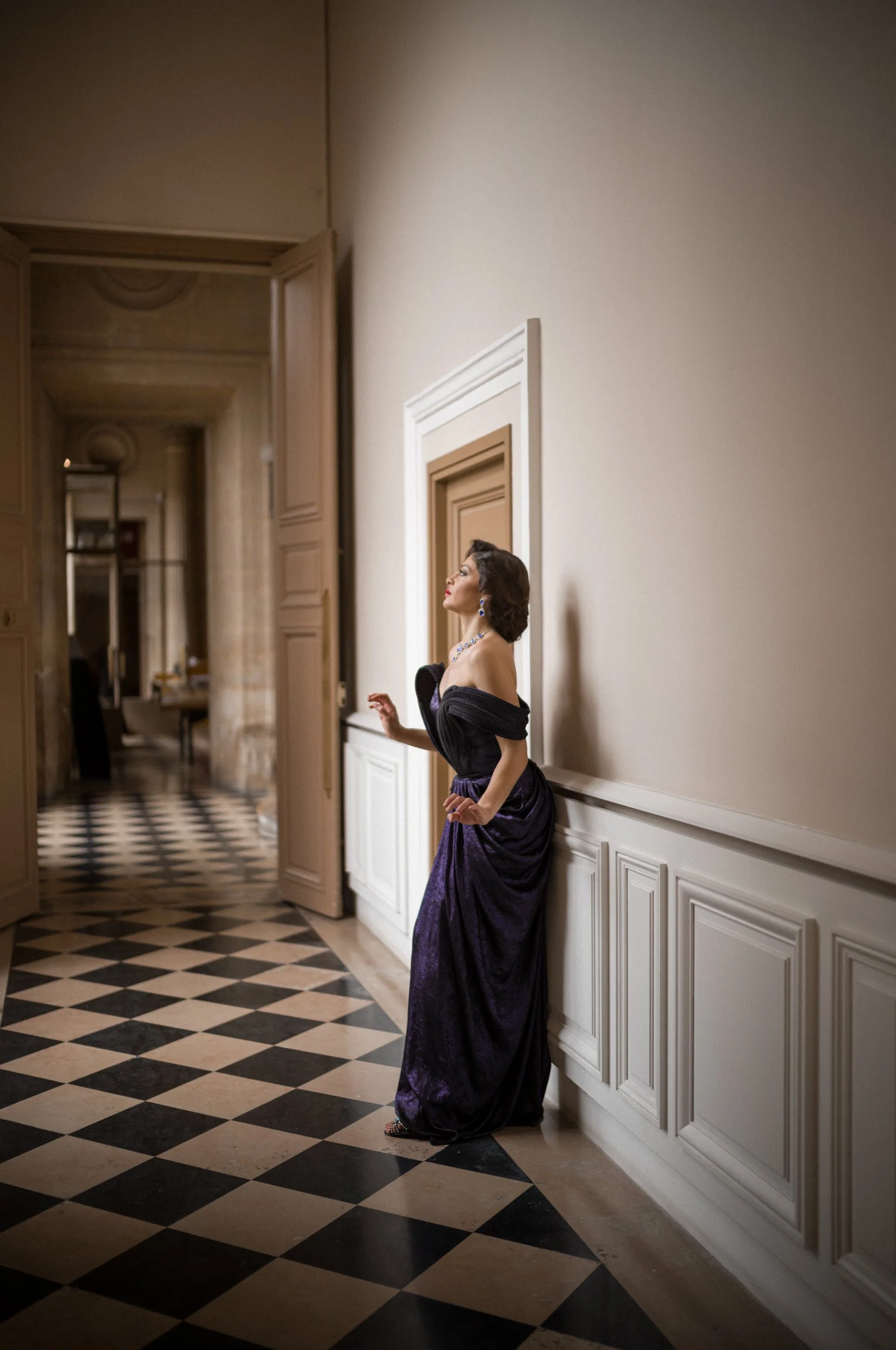




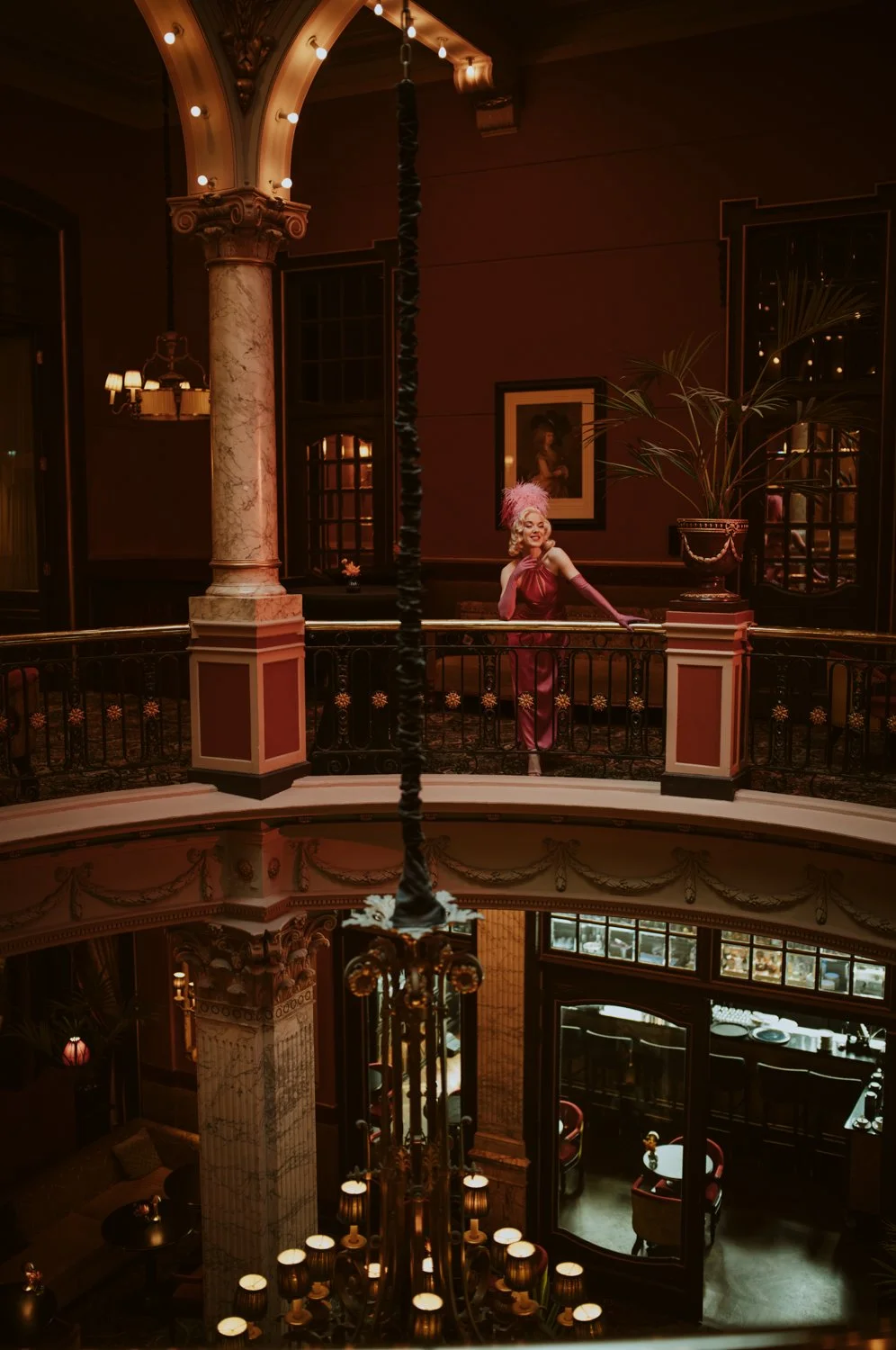
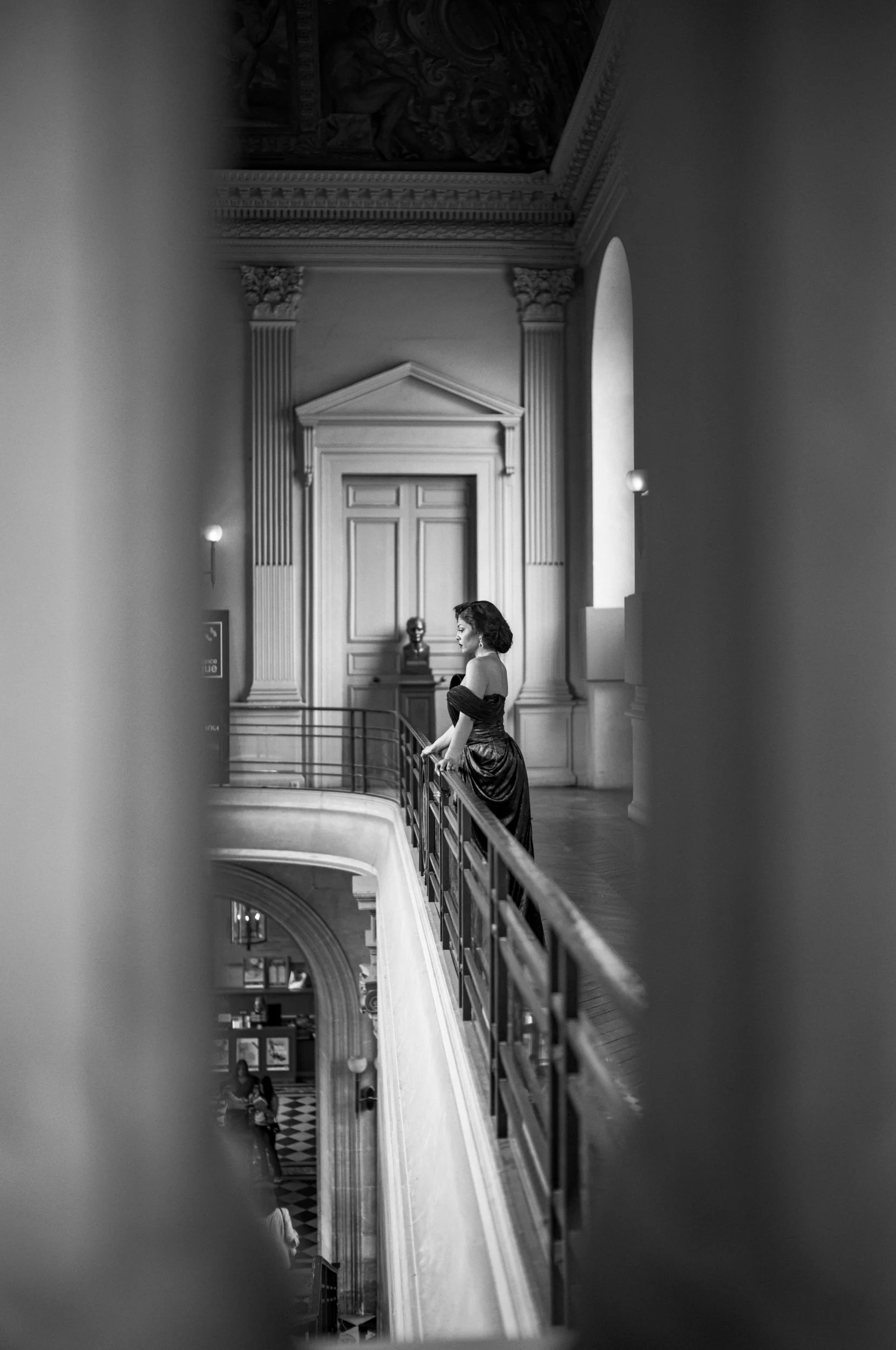

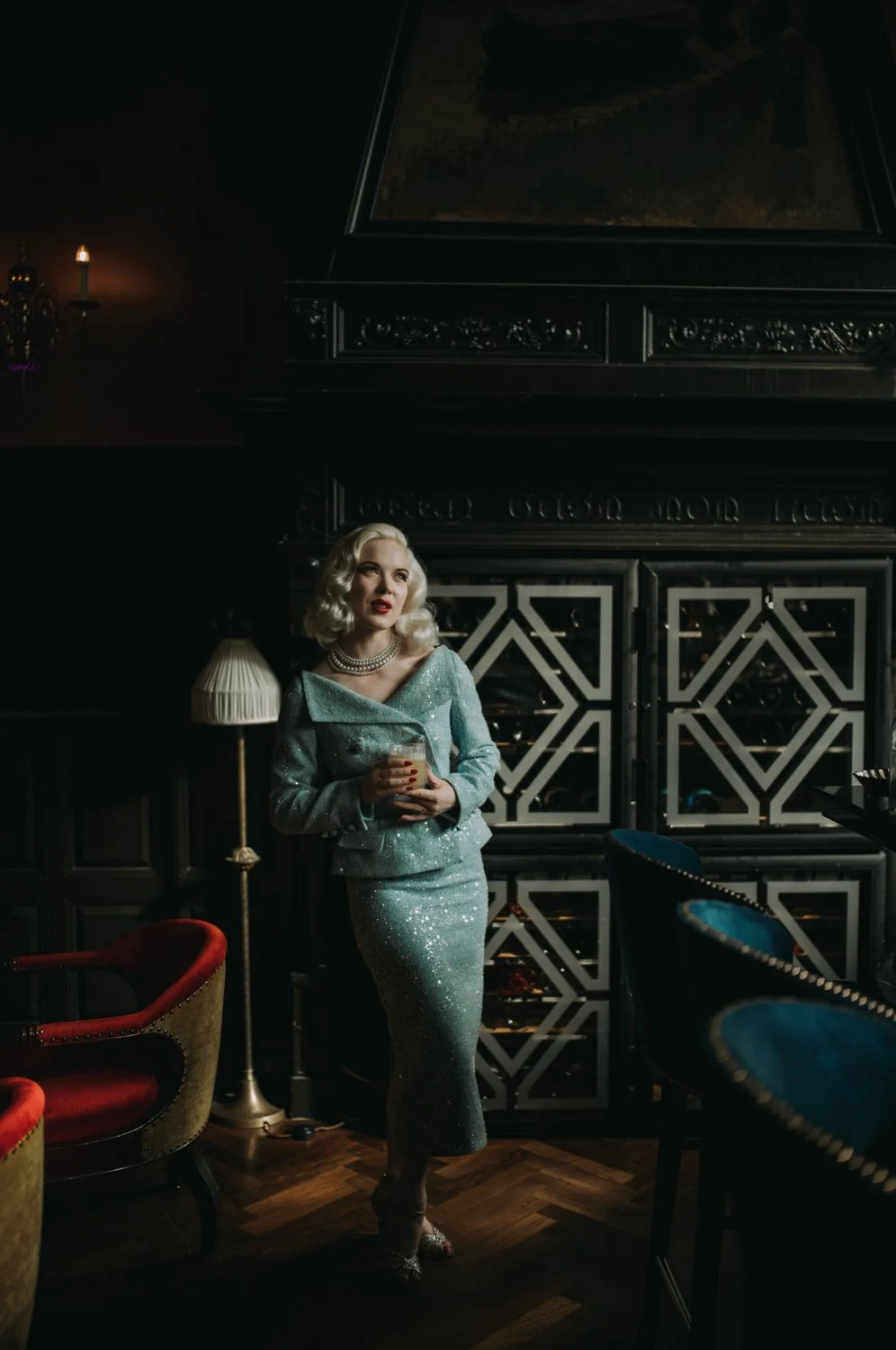
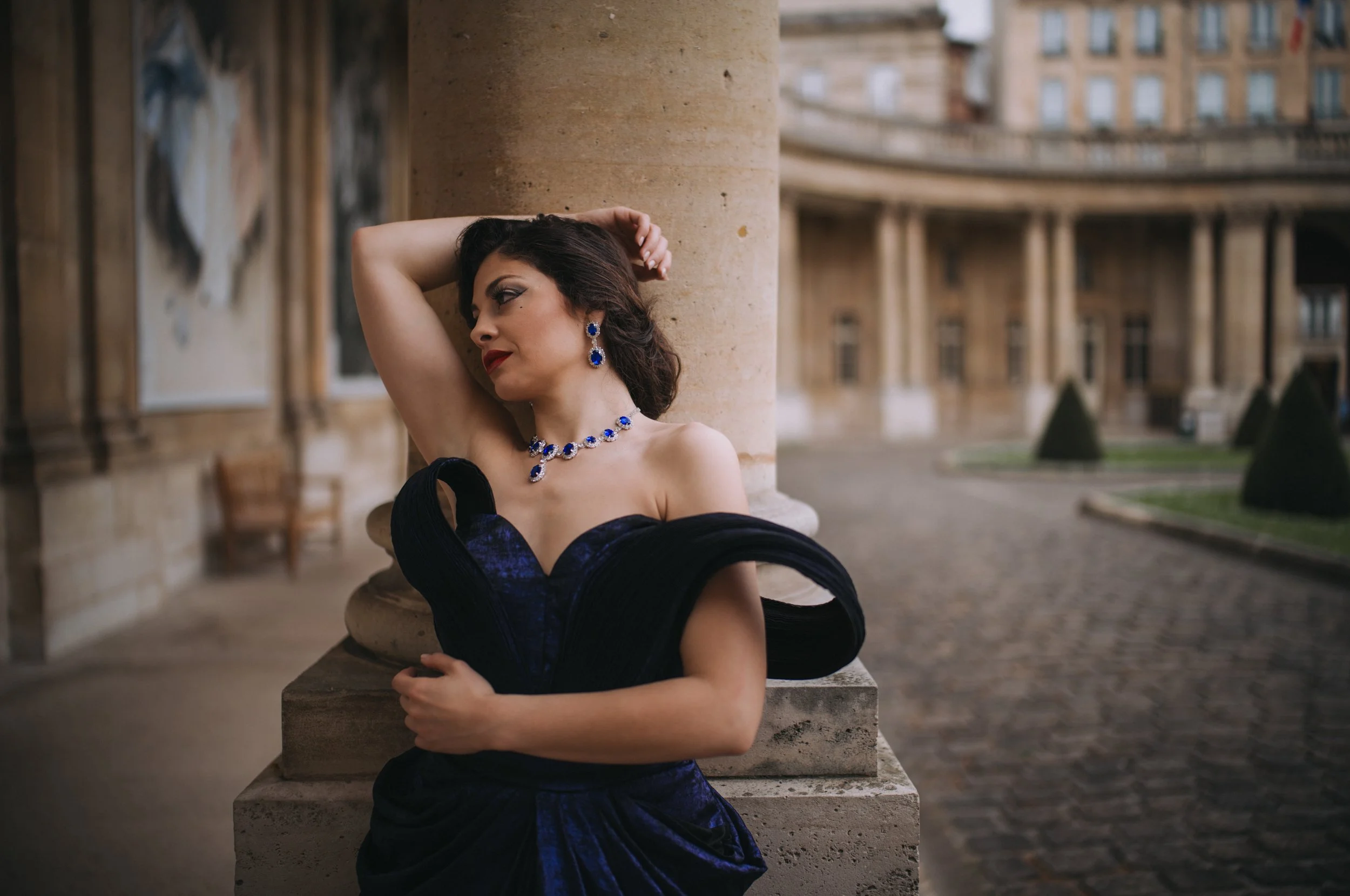
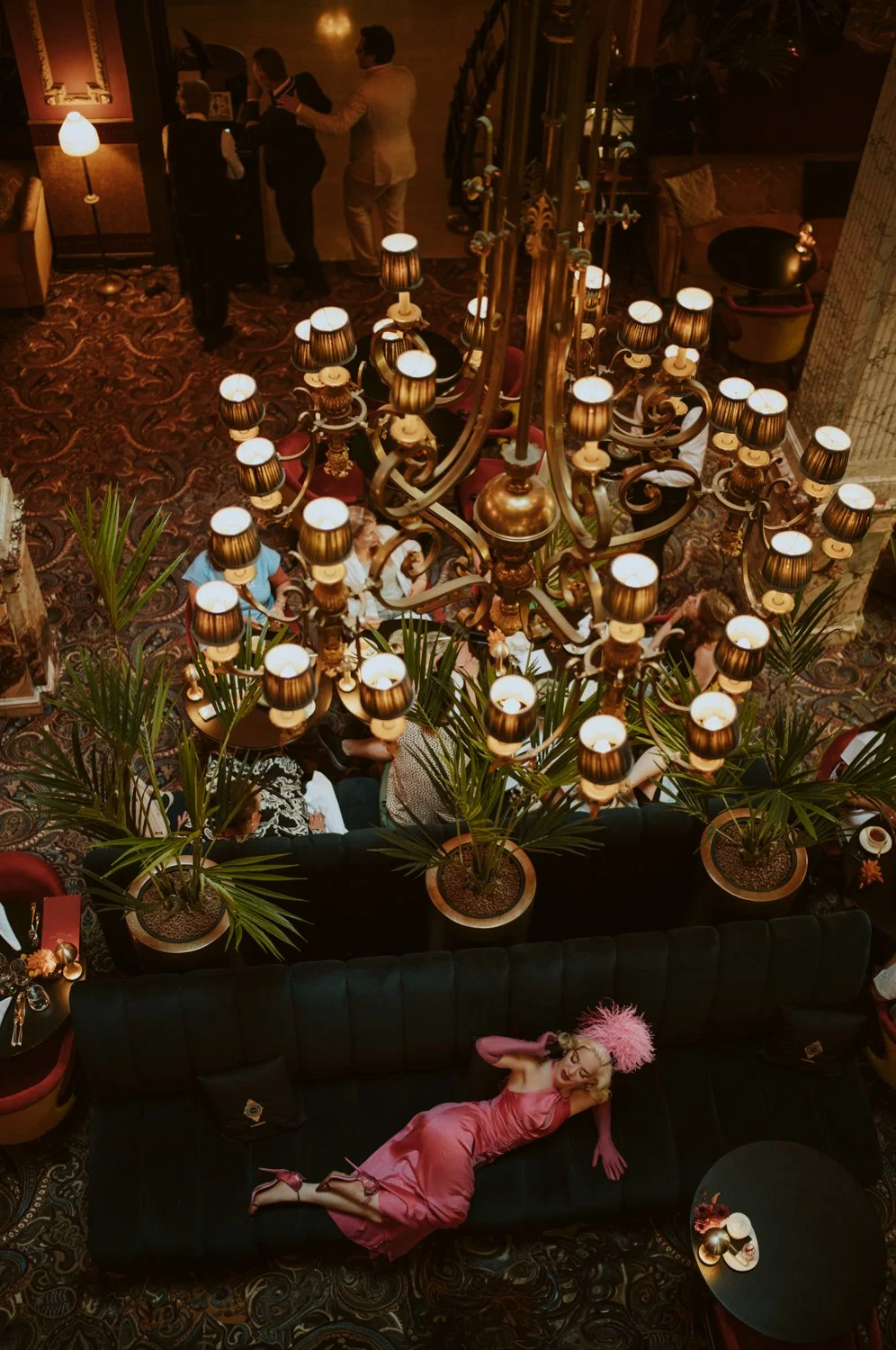









Lighter. Shorter. Closer. But Does It Still Have the Noctilux Soul?
The Leica Noctilux-M 35 f/1.2 ASPH is a singular and wonderful lens. It is, at the same time, the most modern and the most usable Noctilux Leica has ever made — and yet it is still very much a Noctilux: excessive, indulgent, and a little bit irrational.
It is lighter. It is smaller. It focuses much closer than any Noctilux before it. In many ways, it breaks with tradition. And that raises an interesting question: does it still have that slightly wild, untamed character that defines a true Noctilux?
The answer, for me, is yes - but in a different way.
This is not a vintage Noctilux in spirit like the 50mm f/1.2. It does not have that same romantic unpredictability. It is more controlled, more refined, more modern. And yet, it still delivers something that no Summilux can: that unmistakable separation, that sense of depth, that way of carving a subject out of space that is uniquely Noctilux.
If I am completely honest, saying that I would replace all other Noctilux lenses with this one would not be true. The 50mm f/1.0 is still one of my all-time favorite Noctilux lenses, and it will always have a very special place in my photography.
But if you have always dreamed about owning a truly multi-purpose Noctilux - one that is smaller, lighter, focuses much closer, and can realistically be used as an everyday lens - then this might very well be the one.
In many ways, the Noctilux-M 35 f/1.2 ASPH is the most usable and versatile Noctilux Leica has ever made. It complements the 75mm Noctilux beautifully and also works extremely well alongside a 50mm Noctilux, especially when you want something wider or need to get closer to your subject for more intimate framing.
Rather than replacing the others, the Noctilux-M 35 f/1.2 ASPH feels like the missing link in the Noctilux lineup.
In a time where almost every lens is technically perfect, this one reminds us that perfection is not the point.
Character is.
Mood is.
And sometimes, a little bit of optical madness still matters.
A Note of Thanks
A very special thank you to both models, Chanelle, Dann and Fay, for their talent, trust, and wonderful collaboration.
Thank you to Christophe from Leica for the support and for the inspiring conversations in Wetzlar and Antwerp - those moments are just as valuable as the gear itself.
Thank you to Kiran Karnani from Harlowe for believing in my work and for supporting me not only with light, but also with knowledge, ideas, and marketing insight.
And most of all, thank you to my love — for the inspiration, the constant moral support, and for patiently assisting with lights on countless shoots.
About Milan Swolfs
Milan Swolfs is a fine art portrait photographer from Antwerp, Belgium, renowned for his distinctive blend of burlesque and vintage aesthetics. His work channels the timeless Hollywood glamour of the 1920s and 1930s, capturing both men and women in bold yet elegantly refined portraits.
Beginning his career photographing Europe’s largest burlesque events, Milan later transitioned into fine art photography. As an ambassador for Leica Camera and Harlowe Creators, his work has been featured in LFI (Leica Fotografie International), Medium Format Magazine, and Viewfinder. In 2022, he debuted his solo exhibition, Light of Seduction, at the Leica Store in Porto. Most recently, from late 2024 to early 2025, his latest exhibition, Echoes of Elegance: A Timeless Journey, was showcased at the Leica Store Beaumarchais in Paris.
Milan’s portraits celebrate individuality and classic beauty, reviving the charm and allure of a bygone era.
