
Light Lens Lab 50mm f/1.9 "Rigid-ZS6" Review – Reviving the Legendary Dallmeyer Super Six
When I Met a Dallmeyer Super Six in Wetzlar
My first encounter with a Dallmeyer Super Six happened during an LSI gathering in Wetzlar.
Mounted on a Leica Monochrom, the lens produced images that felt less concerned with perfection and more concerned with atmosphere. The rendering was unmistakably vintage, with swirling backgrounds, strong subject separation and a character that lingered in my memory long after the event had ended.
That experience sent me down the rabbit hole of Dallmeyer history.
Long before photographers started hunting Aero Ektars, Petzvals or projection lenses for their distinctive rendering, the British lens maker Dallmeyer was already producing some of the fastest and most ambitious photographic lenses of its time. Among them was the legendary Super Six series: a family of f/1.9 lenses ranging from one inch to eight inches in focal length, all sharing a common optical philosophy centred around speed, character and pictorial rendering.
The Super Six was developed as Dallmeyer's answer to the Taylor Hobson Opic series. Both employed a classic six-element, four-group double Gauss construction, but the Dallmeyers developed a reputation of their own. Photographers were drawn not only to their speed but also to a rendering style that remains difficult to describe even today. The bokeh was never perfectly smooth, nor was it dominated by harsh soap-bubble highlights. Instead, the lenses produced bright, delicate rings with a uniquely pictorial quality that gave images an almost cinematic atmosphere.
The larger Super Six lenses became particularly remarkable achievements in optical engineering. The 8-inch f/2 version, weighing around 3.5 kilograms and featuring glass elements over two centimetres thick, pushed the double Gauss design far beyond what most manufacturers attempted at the time. These lenses relied on expensive optical glass and ambitious engineering to achieve their speed without resorting to solutions such as the thorium-doped rear groups later found in lenses like the Kodak Aero Ektar.
Today original Super Six lenses have become cult objects among collectors and photographers alike. Some survive in cinema housings, others in bespoke conversions, and many exist only as optical blocks adapted over decades for different systems. During the last LSI gathering in Wetzlar I had the opportunity to try an original Super Six belonging to collector and Leica bag designer Kevin Fickling. His cinema-converted example immediately stood out for its swirling backgrounds, strong subject separation and unmistakably vintage rendering. Mounted on a Leica Monochrom, it produced images that felt less concerned with perfection and more concerned with atmosphere.
That experience made me curious about Light Lens Lab's interpretation.
Rather than recreating a Leica lens, Light Lens Lab has chosen to revive a historically important Dallmeyer optical design and package it in a practical rangefinder form through the Light Lens Lab 50mm f/1.9 "Rigid-ZS6". Their solution is clever. Since original Super Six lenses appeared in many different mounts and housings throughout their history, the company has housed the design inside a body inspired by one of the most beautiful Leica lenses ever made: the Rigid Summicron.
As someone who owns original Rigid Summicrons, I have always admired the elegance of that design. Full brass construction, compact dimensions and timeless proportions make it one of Leica's most attractive lens bodies. Using it as a platform for the Super Six feels surprisingly natural.
For this review I chose the Low Contrast version. On paper it appears closer in spirit to the original lenses, preserving more of the tonal behaviour and atmospheric rendering that made the Super Six famous in the first place.
Why I Chose the Rigid-ZS6 Low Contrast Version
For this review I chose the Low Contrast version.
The Low Contrast version of the Light Lens Lab 50mm f/1.9 "Rigid-ZS6". Built entirely from brass and housed in a body inspired by one of Leica's most elegant lens designs, the Summicron Rigid.
Whenever a manufacturer offers multiple interpretations of a historical lens, I almost always gravitate towards the version that remains closest to the original. If I am exploring a lens with a rich optical heritage, I want to experience as much of that heritage as possible rather than a modernised interpretation of it.
Light Lens Lab offers the Rigid-ZS6 in two versions. The Standard version aims for improved contrast, flare resistance and overall correction, making it the more practical choice for photographers seeking a balanced everyday lens. The Low Contrast version, identified by an asterisk on the front ring, takes a different approach. According to Light Lens Lab, it preserves greater tonal latitude and remains closer to the rendering of the original Dallmeyer Super Six.
That immediately made it the more interesting option for me.
The appeal of lenses such as the Super Six has never been clinical perfection. Their charm lies in the way they draw, the way they handle transitions from focus to blur and the atmosphere they can bring to an image. If the goal is to revisit a historical optical design, I would rather experience the lens with as much of its original personality intact as possible.
Whether that vintage soul survives the journey from a rare Dallmeyer lens to a modern Leica M mount is exactly what I hope to discover during this review.
Technical Specifications
Before diving into the images, let's take a quick look at the technical specifications.
Focal Length: 50mm
Maximum Aperture: f/1.9
Minimum Aperture: f/22
Optical Construction: 6 elements in 4 groups
Aperture Blades: 11
Minimum Focus Distance: 0.7m
Filter Thread: 39mm
Length: 45mm
Diameter: 54mm
Weight: approximately 263g
Mount: Leica M
Construction: Full brass housing
Available Versions: Standard and Low Contrast
What immediately stands out is how compact the lens remains despite its f/1.9 aperture. Housed in Light Lens Lab's beautifully executed Rigid-style brass body, the Rigid-ZS6 feels remarkably close in size and handling to some of Leica's classic 50mm lenses while carrying a very different optical heritage inside.
Dallmeyer and Leica: A Forgotten Connection
A closer look at the Rigid-ZS6 reveals the beautifully finished front engraving and distinctive optical design inspired by the historic Dallmeyer Super Six.
When discussing Leica lens history, most conversations inevitably revolve around Zeiss, Voigtländer or occasionally Angenieux or Taylor Hobson. Yet hidden in the archives is another fascinating chapter, one that connects Leica to one of Britain's most respected optical manufacturers: Dallmeyer.
Founded by John Henry Dallmeyer in the nineteenth century, the company established a reputation for producing lenses of exceptional quality and craftsmanship. Their innovations helped shape portrait photography and optical design during a period when photography itself was still evolving. Many Dallmeyer lenses became highly sought after for their speed, rendering and distinctive character, qualities that continue to attract photographers and collectors today.
Among the most famous designs was the Super Six series.
Developed as Dallmeyer's answer to the Taylor Hobson Opic range, the Super Six employed a six-element, four-group double Gauss design and was offered in an astonishing variety of focal lengths. From compact one-inch lenses all the way to the enormous eight-inch f/2.0 model, the Super Six family demonstrated just how far Dallmeyer was willing to push optical engineering in pursuit of speed and image quality.
What makes this story particularly interesting for Leica photographers is that Dallmeyer actively embraced the Leica system. An original advertisement from the 1930s shows the company offering dedicated "Micrometer Focus Mounts" for Leica cameras, allowing photographers to use Super Six lenses with precise focusing and remarkably even illumination across the frame.
Looking at the advertisement today, one cannot help but smile. Nearly a century before modern lens rehousing and boutique conversions became fashionable, Dallmeyer was already offering precision Leica adaptations for photographers seeking something beyond the standard lens catalogue.
In many ways, the Light Lens Lab 50mm f/1.9 "Rigid-ZS6" feels like a continuation of that tradition.
Most surviving Super Six lenses today exist as optical blocks, cinema conversions or custom adaptations. Finding a good example is only the beginning. Mounting one successfully on a modern camera often requires specialist knowledge, custom machining and no small amount of patience.
That reality is part of what makes the Light Lens Lab project so appealing. Rather than simply reproducing another Leica classic, the company has chosen to revive a lesser-known piece of photographic history and make it accessible to modern rangefinder photographers.
As I began testing the Rigid-ZS6, the question was never whether it could compete with modern fifty millimetres on sharpness charts. The real question was far more interesting:
Could it capture the spirit of the original Dallmeyer Super Six?
Design and Build Quality
Before even mounting the Rigid-ZS6 on a camera, one thing immediately stands out: this is a beautifully made lens.
Light Lens Lab has built the lens around its established Rigid platform, inspired by the second version of Leica's famous Summicron Rigid. For many Leica enthusiasts, the Rigid v2 represents one of the most elegant lens designs Leica ever produced. Its proportions are almost perfect, compact without feeling small, substantial without feeling heavy.
As someone who has owned and used original Rigid Summicrons, I have always admired this particular design. The chrome finish, the finely machined brass construction and the distinctive scalloped focusing ring give the lens a timeless appearance that feels every bit as appealing today as it did more than sixty years ago.
The Rigid-ZS6 inherits that character beautifully.
The lens is constructed entirely from brass and immediately conveys a sense of density and quality. At approximately 263 grams it feels reassuringly solid without becoming front-heavy on a Leica M body. Every control feels carefully damped and precisely assembled.
Particularly impressive is the aperture ring. The clicks are dense, positive and extremely satisfying to use. There is a reassuring mechanical precision here that reminds me of some of the best vintage Leica lenses. The aperture changes are deliberate and confident, with none of the looseness sometimes encountered on modern reproductions.
Focusing is equally enjoyable. The helicoid is smooth throughout its entire range and offers just the right amount of resistance for accurate rangefinder focusing. It feels refined rather than overly light, encouraging precise adjustments when working at wider apertures.
Just like the original Rigid Summicron, the lens features both a focusing tab and a focus lock. The lock mechanism may divide opinion. Some photographers find it unnecessary or slightly cumbersome in daily use, especially if they are unfamiliar with older Leica lenses. Personally, I do not mind it at all. In fact, it contributes to the charm of the design and reinforces the feeling that this lens is rooted in an earlier era of camera engineering.
One practical improvement over the original Summicron Rigid is the minimum focusing distance. Whereas the original lens was limited to one metre, Light Lens Lab has extended the Rigid-ZS6 to 0.7 metres. This significantly improves usability on modern digital Leica bodies and allows photographers to explore the lens's rendering at closer distances without sacrificing the classic handling characteristics of the original design.
What I appreciate most is that Light Lens Lab resisted the temptation to redesign the exterior. The company could easily have created a modern housing with larger controls and contemporary styling. Instead, they chose to preserve one of the most iconic lens silhouettes ever produced and adapt it for modern use.
The result is a lens that feels both familiar and unique: a British optical legend housed inside one of the most beautiful rangefinder lens designs ever made.
Rendering and Character
This image captures much of what makes the Rigid-ZS6 special. There is a subtle glow around the subject, rich colour rendition and a sense of depth that feels difficult to quantify but immediately recognisable in the final photograph.
The first thing that struck me about the Rigid-ZS6 was not its sharpness but its atmosphere.
This is a lens that feels as if it belongs to a different era. The colours have a richness and depth that immediately caught my attention, while the lower contrast rendering gives images a gentle tonal transition that feels distinctly analogue. There is enough sharpness for modern digital cameras, yet the lens never falls into the trap of looking clinical.
Wide open at f/1.9, the Super Six produces beautiful cat-eye shaped highlights towards the edges of the frame. Combined with a subtle swirl in busy backgrounds, the result feels cinematic rather than distracting. Unlike some vintage lenses where the character can become overwhelming, the Super Six remains remarkably balanced.
In many ways it occupies an interesting position within the Light Lens Lab lineup. Compared to the Z21 50mm f/1.5, the Super Six is sharper, more controlled and easier to use as an everyday lens. The Z21 embraces its imperfections and can occasionally feel wild. The Super Six retains plenty of vintage personality but presents it in a more refined manner.
The lens also exhibits a gentle glow around highlights when used wide open. Focus on the eye of a portrait subject and you may notice a subtle softness around nearby features such as the nose or cheeks. This glow never feels excessive. It simply adds to the atmosphere and contributes to the lens's distinctive rendering.
Another characteristic that impressed me during my portrait sessions was the sense of depth the lens creates, even at moderate subject distances. Many photographers associate strong subject separation with extremely fast lenses, but the Rigid-ZS6 demonstrates that optical character can be just as important as aperture alone.
Even when shooting full-body portraits wide open at f/1.9, the lens consistently produced a convincing three-dimensional effect. The subject appears to separate naturally from the background, creating a subtle sense of depth and presence within the frame. There is a gentle glow around the model, yet the important details remain sufficiently sharp. Rather than relying on extreme blur, the Rigid-ZS6 creates separation through its rendering style, tonal transitions and the way it handles out-of-focus areas.
This quality is difficult to measure on a test chart, but easy to recognise in photographs. It gives images a sense of atmosphere and depth that feels distinctly different from many modern lenses. For me, this three-dimensional rendering is part of the magic that makes the Rigid-ZS6 so enjoyable to use.
What impressed me most is the balance Light Lens Lab has achieved. The lens is not trying to compete with modern APO designs, nor should it. Instead, it offers enough sharpness to satisfy contemporary expectations while preserving the character that made the original Dallmeyer Super Six famous in the first place.
For my photography, that balance is close to ideal and perhaps the greatest strength of the Rigid-ZS6.
It is also one of the rare vintage-inspired lenses that feels equally comfortable in colour and black-and-white photography, something I would later discover during my sessions with the Leica Monochrom.
Shooting with Yulia – A World of Curiosities
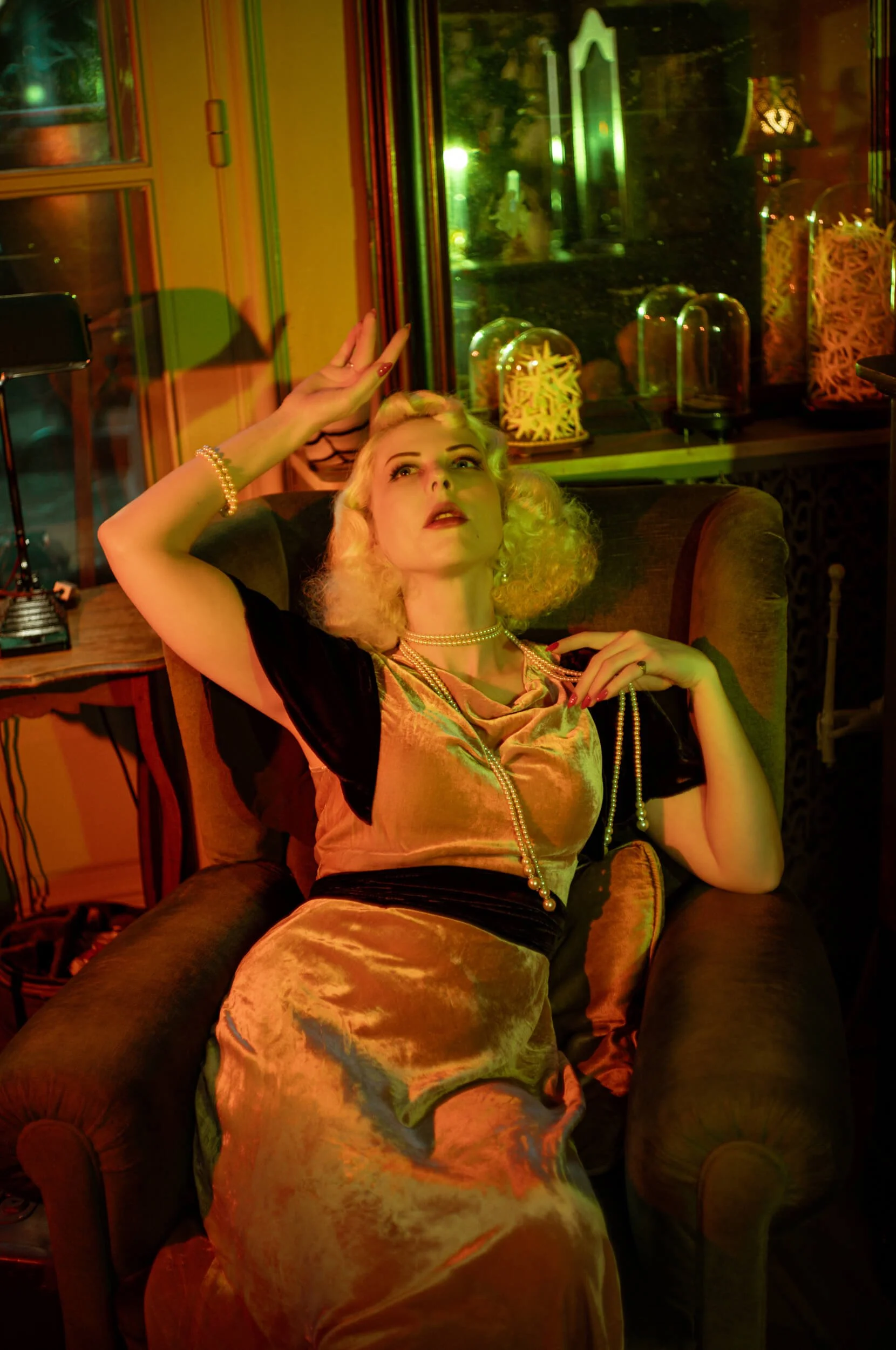
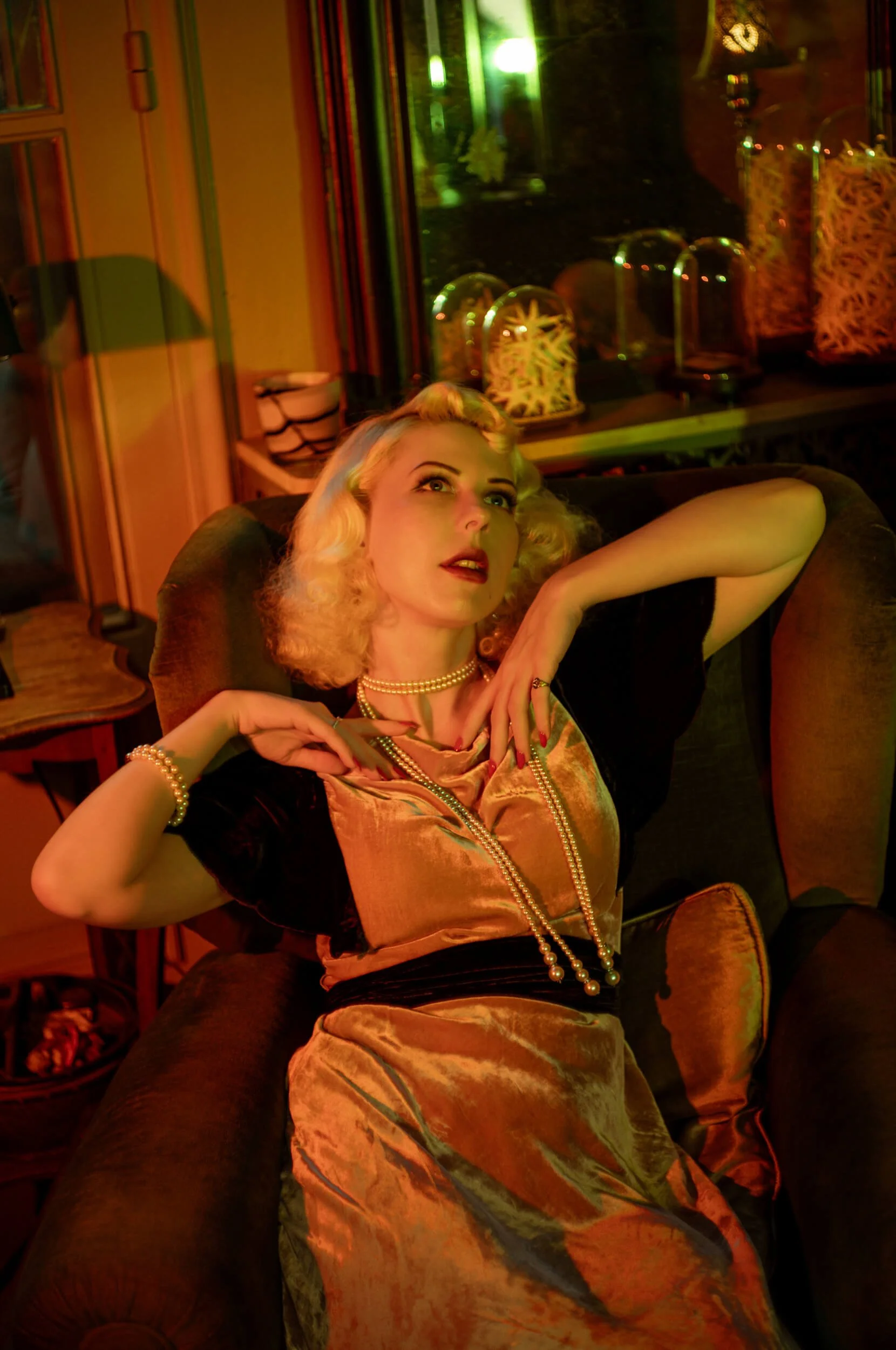
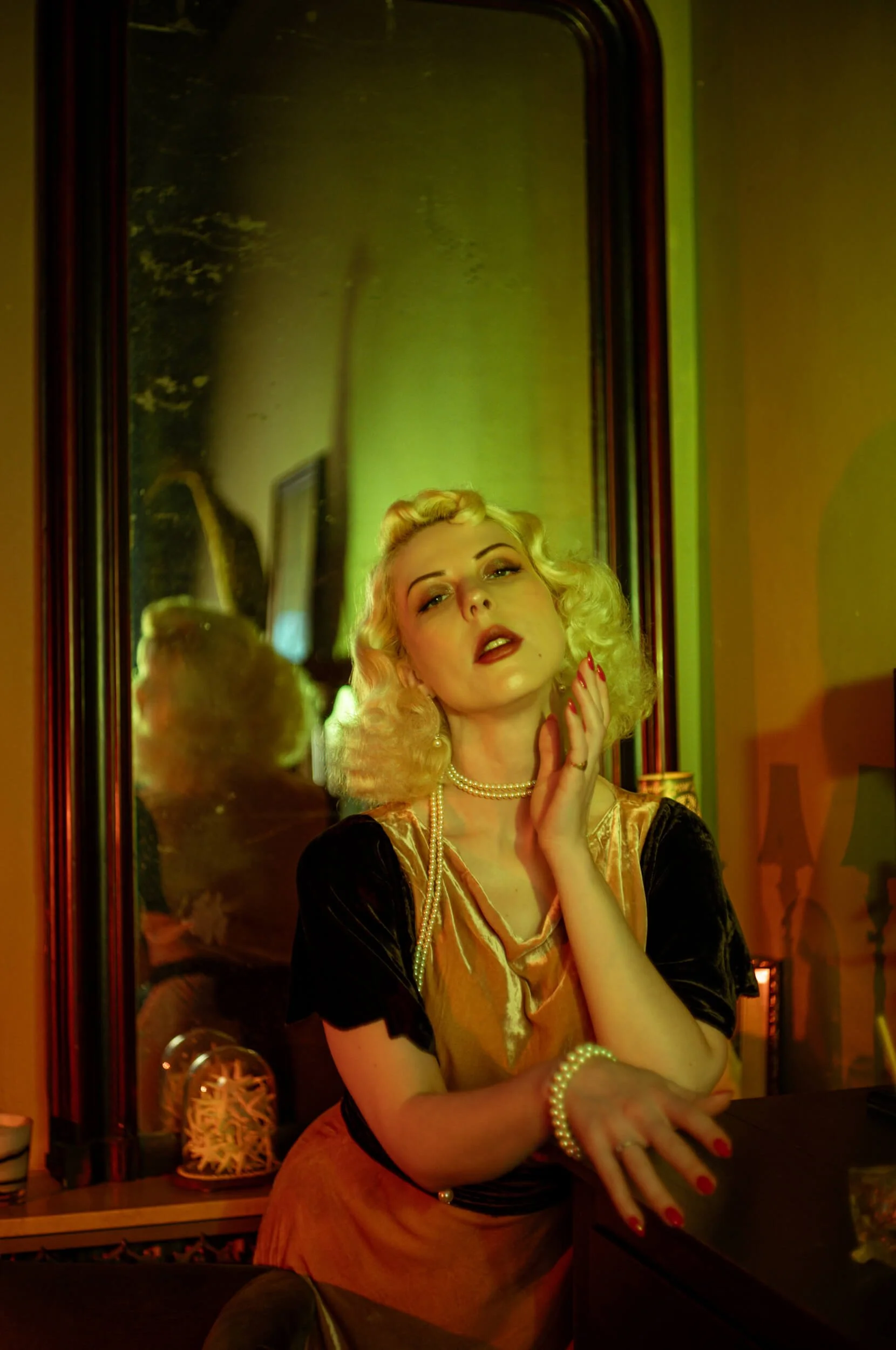
The Rigid-ZS6 felt perfectly at home among the mirrors, curiosities and warm lighting of Boulevard Leopold Rooms & Suites. Combined with Harlowe lighting, the lens produced images that felt cinematic, atmospheric and unmistakably vintage.
My first serious outing with the Rigid-ZS6 was a two-day portrait session with Yulia in Antwerp.
The first location was Boulevard Leopold Rooms & Suites, her charming bed and breakfast, where we transformed part of the living area into a small cinematic set. Taxidermy, antique mirrors, crosses, butterflies and curiosities filled the room. Combined with Yulia's 1920s-inspired styling, it created the perfect environment for a lens rooted in photographic history. If there was one location that seemed purpose-built for the Rigid-ZS6, it was this one.
Lighting was provided by a combination of Harlowe LED lights using warm and coloured accents to create depth and atmosphere. This combination of vintage-inspired optics and modern continuous lighting has become an important part of my photographic style. It allows me to create images that feel nostalgic without becoming trapped in nostalgia.
The Rigid-ZS6 felt perfectly at home in this environment.
What immediately stood out was the way the lens handled skin tones. The rendering feels slightly softer and more forgiving than many modern lenses while still preserving sufficient detail. There is less of the clinical perfection that often requires additional retouching afterwards. Both Yulia and I appreciated the more natural and flattering appearance.
The lens also handled the numerous reflective surfaces surprisingly well. Mirrors, polished objects and coloured light sources can quickly become distracting with some vintage optics, yet the Super Six rendered these scenes with elegance. Highlights retained their character while shadows remained rich and detailed.
Perhaps the best way to describe the images is that they felt cinematic. Not cinematic in the modern blockbuster sense, but cinematic in the way classic films often feel: atmospheric, romantic and slightly imperfect.
The background separation is particularly beautiful. Although a 50mm f/1.9 will never be a bokeh monster, the lens creates enough separation to draw attention to the subject while preserving a sense of place. Yulia's blonde curls often appeared almost painted, gently dissolving into the background without losing their texture.
This is exactly the kind of rendering I look for in a portrait lens.
Mirrors, Marble and Art Deco Elegance
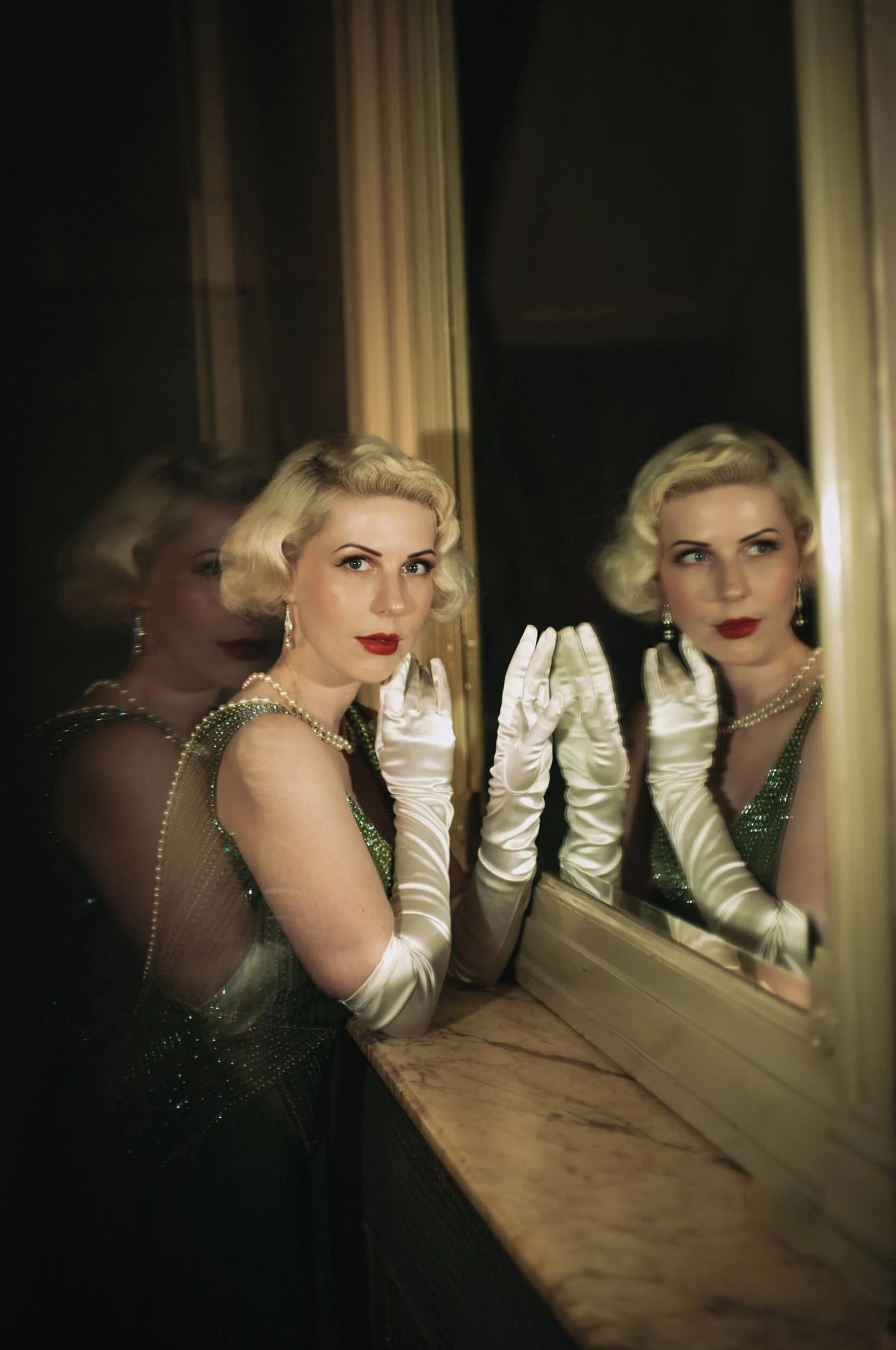
One of my favourite techniques is shooting through mirrors and reflective surfaces. The Rigid-ZS6 handles these layered scenes beautifully, producing images that feel atmospheric rather than clinical.
The second part of our indoor session took place in the imposing main hall of the property.
Marble floors, decorative mirrors and an elegant Art Deco-style doorway provided a completely different atmosphere from the intimate living room scenes. Working without access to mains power, I relied entirely on battery-powered Harlowe lighting, moving quickly between setups and adapting to the space.
The compact dimensions of the Rigid-ZS6 proved particularly valuable here.
One of my favourite techniques is shooting through glass, mirrors or reflective surfaces to introduce additional layers into an image. The compact Leica M form factor made it easy to position the camera close to reflective elements and experiment with compositions that would be far more difficult using larger autofocus systems.
The resulting photographs contain exactly the sort of imperfections I enjoy. Reflections overlap, highlights dance across the frame and details appear where you least expect them. Rather than fighting these imperfections, the Super Six seems to embrace them.
One characteristic that became increasingly apparent throughout the shoot was the remarkable depth in the shadows. The low contrast rendering preserves information beautifully while allowing bright objects such as jewellery, pearls and sequined fabrics to glow gently within the frame.
Rather than fighting reflections and optical imperfections, the Rigid-ZS6 seems to embrace them. The overlapping reflections create depth, mystery and a distinctly cinematic atmosphere.
Secret Rose Garden & The Orangerie
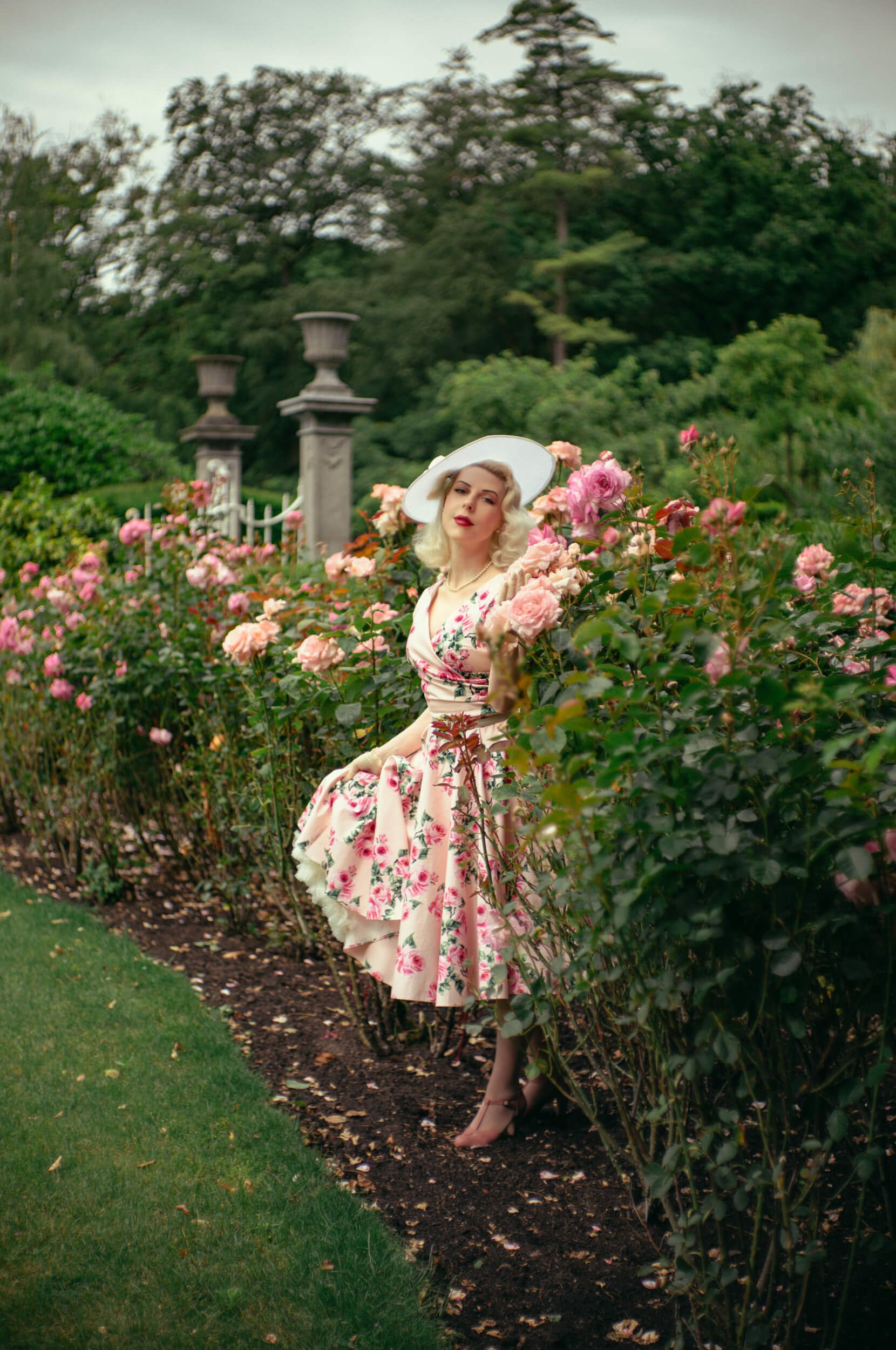
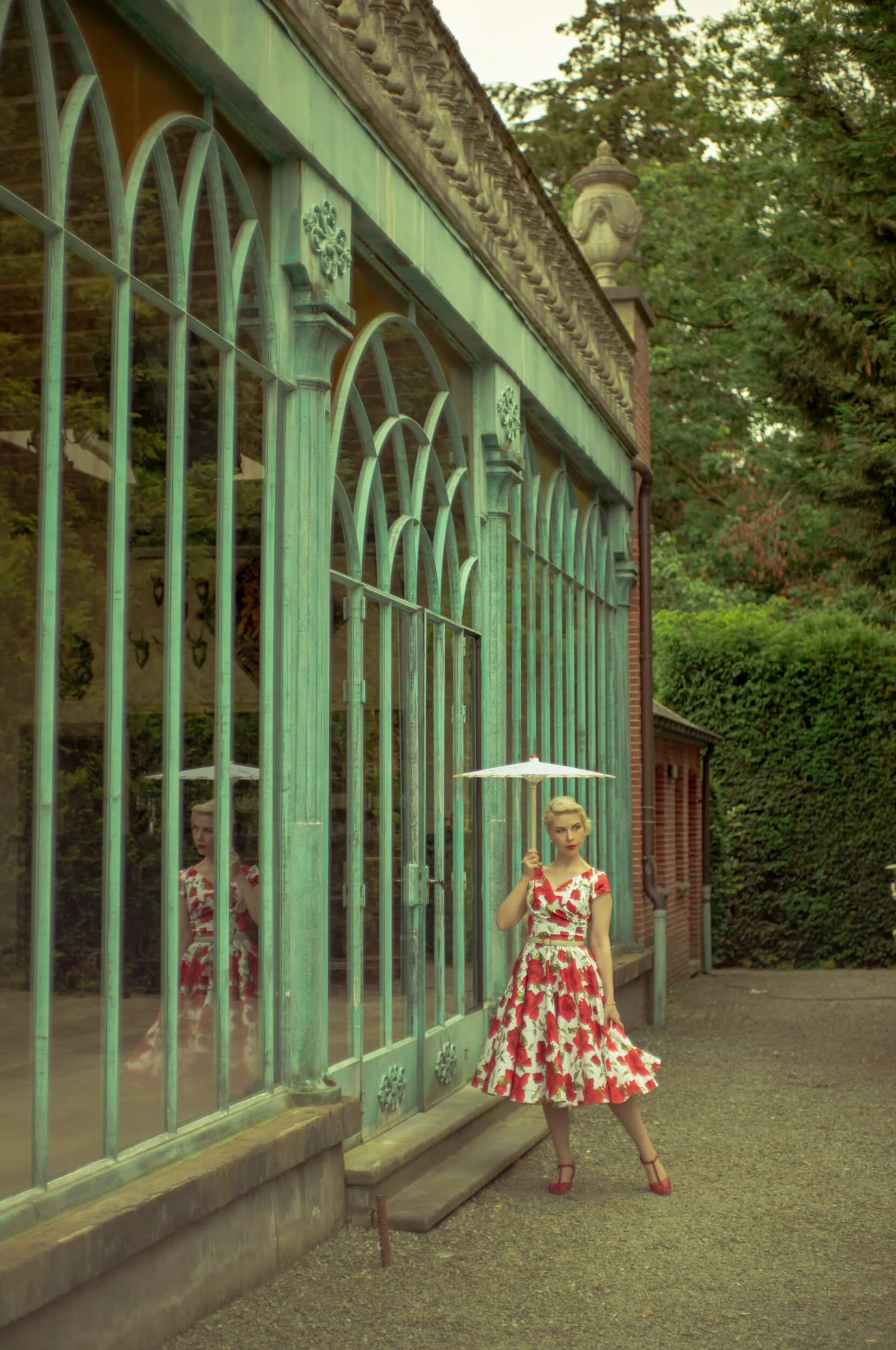
Even at f/1.9 and in a full-body composition, the Rigid-ZS6 creates convincing subject separation. Rather than relying on extreme blur, the lens uses tonal transitions, depth and rendering character to produce a distinctly three-dimensional look.
Originally intended as little more than a changing room between outfits, the Orangerie quickly became one of my favourite locations of the entire weekend. The combination of glass, reflections and soft natural light felt perfectly suited to the Rigid-ZS6.
The following day we continued our shoot at Castle Belvedere near Antwerp.
While I had brought several cameras and lenses for different projects, including equipment for an upcoming Hasselblad review, the Rigid-ZS6 remained my preferred choice for the more romantic scenes.
The castle's rose garden provided the perfect setting.
Even in full-body compositions the lens maintained pleasing subject separation. The rendering remained soft and romantic without sacrificing important details in Yulia's dress or hat. This ability to balance atmosphere and detail is one of the lens's greatest strengths.
The colours were equally impressive. Pink roses, soft greens and warm skin tones all rendered beautifully. The files responded exceptionally well to my editing process and provided plenty of flexibility in both highlights and shadows.
One unexpected highlight was the castle's orangerie.
Historically, orangeries were elegant buildings used by European aristocracy to protect citrus trees during colder months. Today many survive as beautiful architectural spaces filled with light, glass and decorative metalwork.
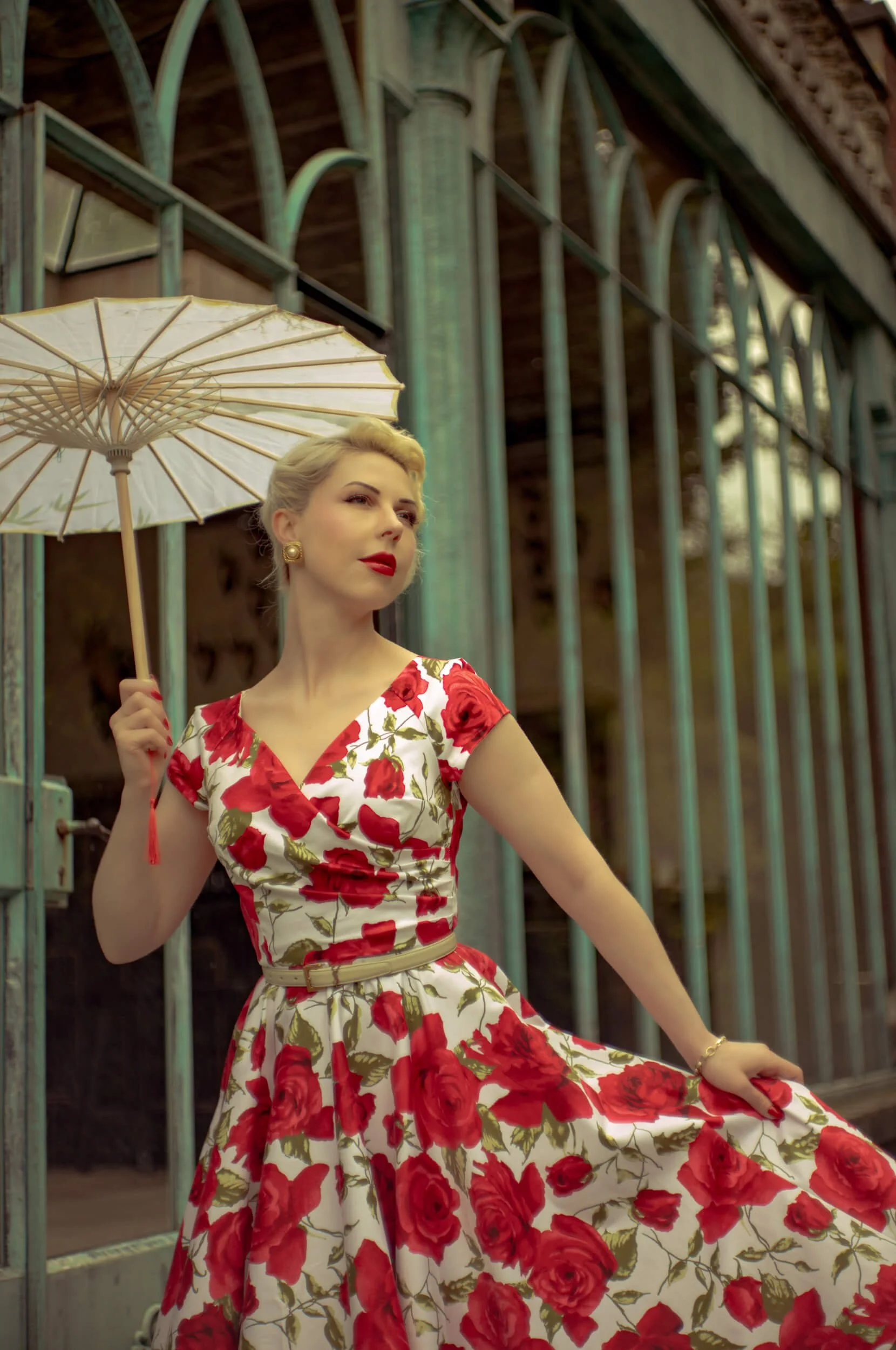
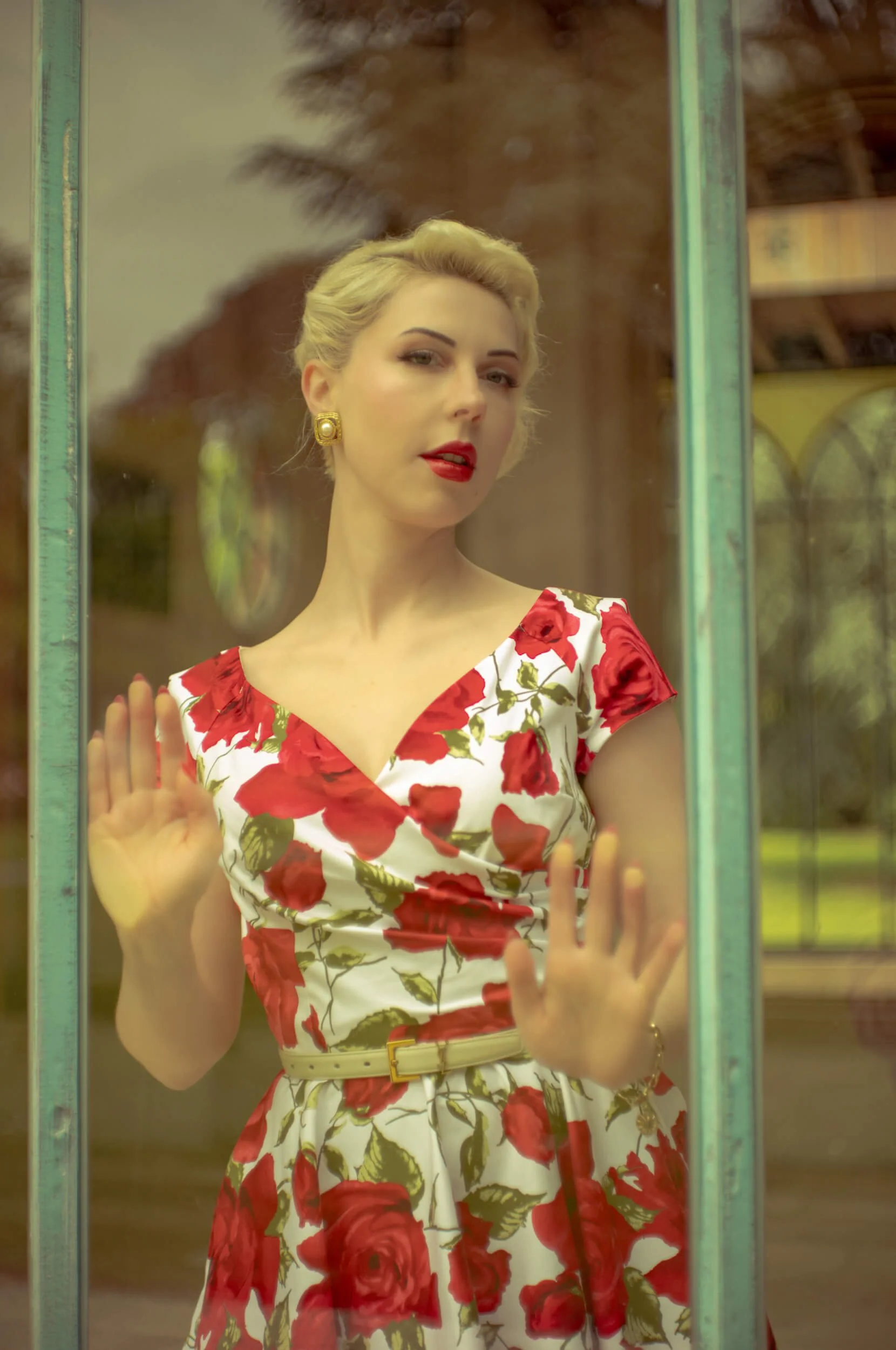
Originally we intended to use the orangerie simply as a changing area between outfits. However, one look inside quickly convinced us otherwise. The mirrors, reflections and elegant metal arches created an atmosphere that felt almost tailor-made for the Super Six.
Combined with Yulia's red rose dress, the setting produced some of my favourite images from the entire weekend.
The Rigid-ZS6 and the Leica M11 Monochrom
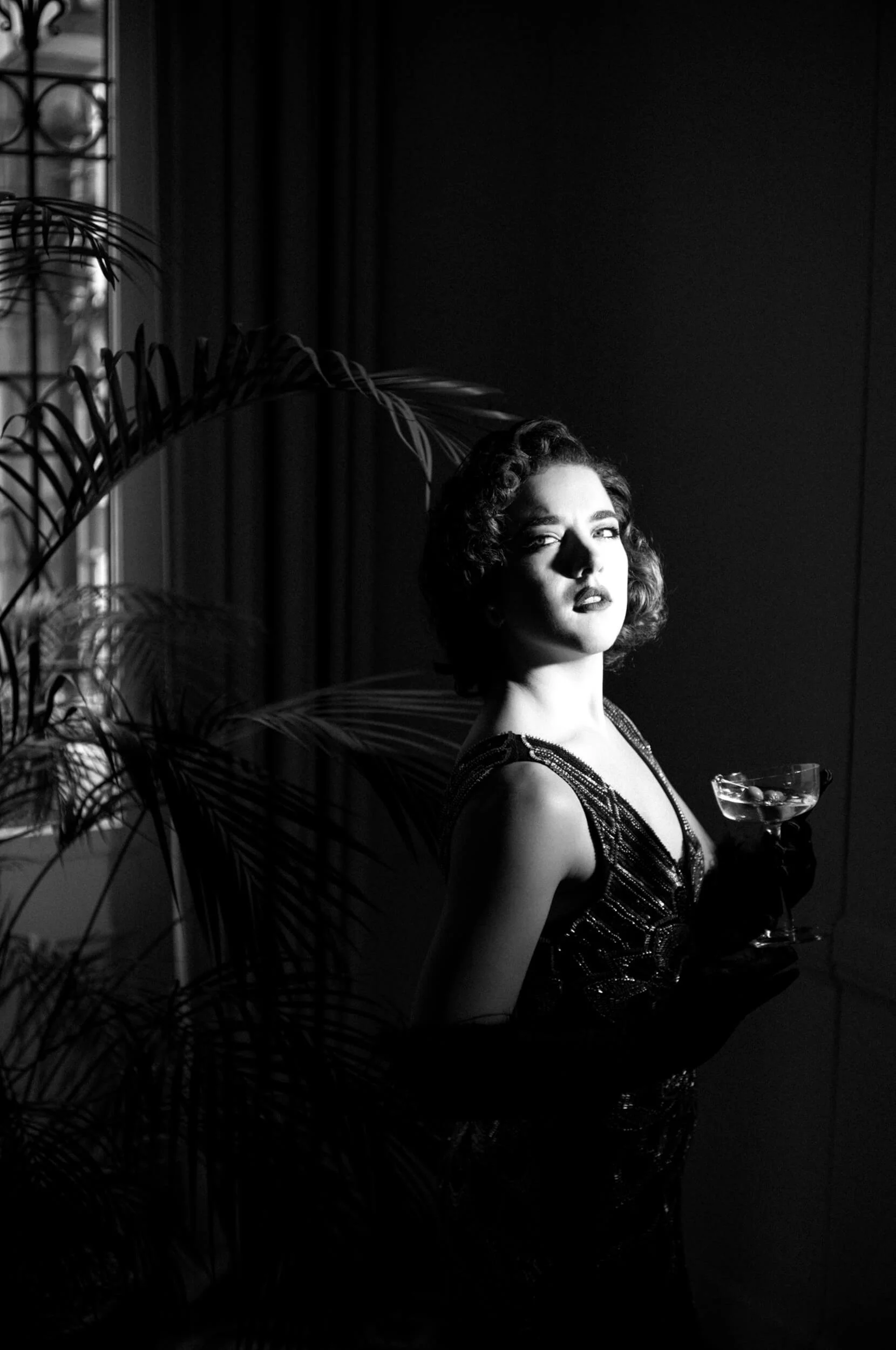
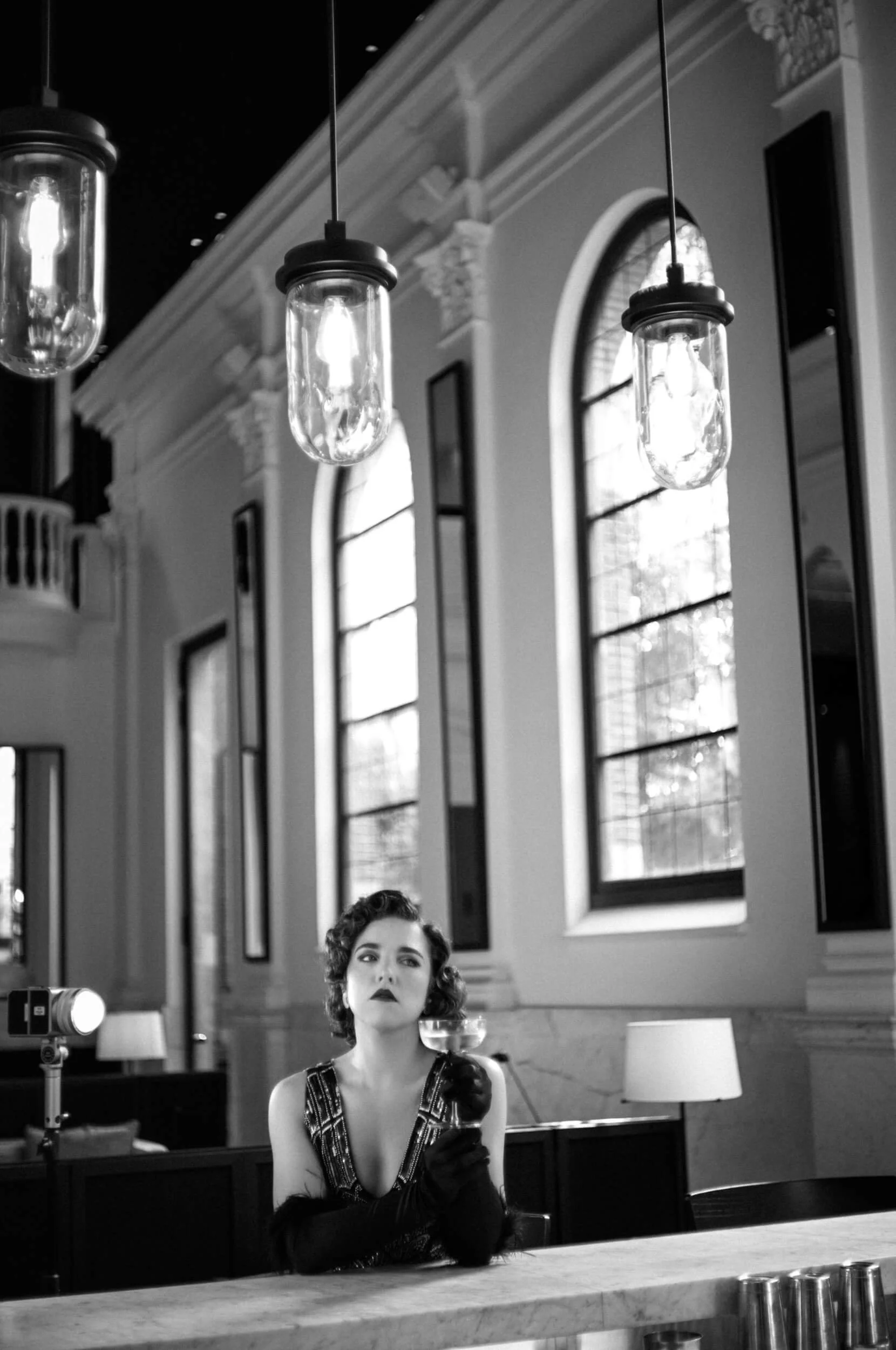
A single Harlowe light was enough to create a dramatic atmosphere. Combined with the M11 Monochrom and the Rigid-ZS6, the result feels cinematic, with deep blacks, rich highlights and remarkable tonal separation.
The Low Contrast version pairs beautifully with the Leica M11 Monochrom. Tonal transitions remain smooth and natural, preserving detail in both highlights and shadows while maintaining a classic black and white look.
My first encounter with an original Dallmeyer Super Six happened on a Leica Monochrom during an LSI gathering in Wetzlar. It was therefore only natural that I eventually wanted to pair the Light Lens Lab 50mm f/1.9 "Rigid-ZS6" with Leica's latest monochrome camera as well.
For my Monochrom sessions I photographed Jennifer during a workshop using a single Harlowe 300W LED light fitted with barn doors. The setup was deliberately simple, allowing the interaction between the lens, the light and the subject to take centre stage.
The Low Contrast version of the Rigid-ZS6 feels particularly well suited to the Leica M11 Monochrom. The lower contrast rendering preserves an impressive amount of information in both highlights and shadows, producing files that offer tremendous flexibility during post-processing. Bright fabrics, skin tones and highlights retain detail while the shadows remain deep without becoming blocked or muddy.
One unexpected advantage is that I never felt the need to reach for a yellow or orange filter when photographing portraits. The lens already delivers a tonal richness and separation that feels natural on the Monochrom sensor. The files provide an excellent starting point and require remarkably little work to achieve a dramatic black-and-white look. In many ways, the lower contrast rendering acts almost like a built-in filter, preserving tonal information that can later be shaped during post-processing.
What impressed me most was the combination of character and sharpness. The Rigid-ZS6 retains the gentle glow and atmospheric rendering that make vintage lenses so appealing, yet when focus is nailed the results are surprisingly crisp. The Leica M11 Monochrom sensor reveals an impressive amount of detail without stripping away the lens's personality.
Compared to the Light Lens Lab Z21 50mm f/1.5, the Rigid-ZS6 feels noticeably more controlled. The Z21 remains one of my favourite lenses for its dreamlike rendering, but it often requires a little more work in post-processing to achieve the level of clarity I prefer. The Rigid-ZS6 strikes a different balance. It delivers vintage character straight out of the camera while maintaining a level of sharpness that feels perfectly matched to Leica's high-resolution monochrome sensor.
As with my colour work, I often add a touch of grain to the final images. Combined with the tonal richness of the Monochrom files and the atmospheric rendering of the Rigid-ZS6, the result feels closer to classic black-and-white photography than to modern digital capture.
Most importantly, this was the moment when the circle finally closed for me. The original Super Six that I tried in Wetzlar left a lasting impression because of the atmosphere it produced on a Leica Monochrom. After spending time with the Light Lens Lab 50mm f/1.9 "Rigid-ZS6" on the M11 Monochrom, I can confidently say that much of that spirit has survived the journey into the modern era.
Further Frames from the Rigid-ZS6
Not every photograph fits neatly into a review section. The following images were created during my time with the Light Lens Lab 50mm f/1.9 "Rigid-ZS6" on both the Leica M11-D and Leica M11 Monochrom. Together they offer a broader impression of the lens's rendering, atmosphere and versatility across different locations, subjects and lighting conditions.


Final Verdict: The Spirit of the Super Six
The Light Lens Lab Rigid-ZS6 has become one of my favourite 50mm lenses.
What makes it special is not a single specification or technical achievement. Its appeal lies in the balance it strikes between character and usability.
In many ways, it occupies the sweet spot between the dreamy unpredictability of the Light Lens Lab Z21 and the refined restraint of a Leica Summicron Rigid.
The lens delivers beautiful colour rendition, distinctive bokeh and a rendering style that feels genuinely cinematic without becoming excessive. It offers enough sharpness for modern digital photography while retaining the imperfections that make vintage lenses so appealing.
The execution is equally impressive. The full brass construction, compact dimensions and timeless Rigid-inspired housing make it a joy to use. Combined with the reasonable asking price, it represents one of the most compelling vintage-inspired lenses currently available for Leica M photographers.
For me, the Low Contrast version is the obvious choice. It preserves the tonal richness and atmospheric rendering that attracted me to the original Super Six concept in the first place.
My only real wish is that the lens focused even closer than 0.7 metres. As a long-time user of the Dual Range Summicron, I occasionally found myself wanting just a little more flexibility for close-up portrait work.
That minor criticism aside, Light Lens Lab has achieved something genuinely special.
My first encounter with an original Dallmeyer Super Six left a lasting impression. From memory, the original lens felt slightly wilder and less controlled, with a rendering that occasionally bordered on the unpredictable. That unpredictability is part of its charm, but it is also one of the reasons why original Super Six lenses remain specialist tools rather than everyday companions.
The Light Lens Lab 50mm f/1.9 "Rigid-ZS6" takes a different approach.
Rather than attempting to replicate every quirk of a nearly century-old lens, it captures much of the atmosphere and character that made the original so memorable while remaining practical enough for regular use. It preserves the glow, depth and pictorial rendering that attracted me to the Super Six in the first place, but packages those qualities in a lens that feels reliable and easy to reach for.
Throughout this review I used the Rigid-ZS6 in a variety of situations, from moody indoor portraits lit by continuous LEDs to romantic outdoor sessions in gardens and historic interiors. On both the Leica M11-D and Leica M11 Monochrom, the lens consistently produced images that felt unmistakably its own.
More importantly, it made me want to keep shooting.
For me, that remains the true test of any lens. Technical specifications, sharpness charts and optical formulas are interesting, but the best lenses are the ones that inspire you to pick up your camera and go out to create photographs.
The Rigid-ZS6 did exactly that.
It fits naturally into my photographic style, complements the way I work with light, and has already produced some of my favourite images of the year.
The Rigid-ZS6 is not a reproduction of a Leica classic. It is the revival of a fascinating Dallmeyer design, brought into the modern era through one of the most beautiful lens housings ever created.
If you are looking for technical perfection, there are countless modern fifty millimetres available.
If you are looking for character, atmosphere and a lens that encourages you to slow down and enjoy the process of making photographs, the Rigid-ZS6 deserves your attention.
Considering the full brass construction, unique optical design and asking price of around €700, the Rigid-ZS6 represents exceptional value.
For the romantic, the nostalgic and the photographer searching for something a little different, it may well be one of the finest 50mm lenses available today.
Interested in Trying the Light Lens Lab 50mm f/1.9 Rigid-ZS6?
If this review has sparked your curiosity about the Light Lens Lab 50mm f/1.9 "Rigid-ZS6" and the unique rendering of the Dallmeyer Super Six, Light Lens Lab offers a small discount for readers of this website.
You can receive 5% off your purchase by using the discount code:
MILAN
Alternatively, you can use my referral link, which provides the same discount.
Using either helps support my photography projects, future reviews and the continued creation of independent content on this website.
Thank you for your support and for following along on this photographic journey.
A Word of Thanks
This review would not have been possible without the support, enthusiasm and generosity of several wonderful people.
First and foremost, I would like to thank David Chen and the team at Light Lens Lab for trusting me with the 50mm f/1.9 "Rigid-ZS6" and for the many conversations surrounding the lens, its development and the company's vision of bringing historically significant optical designs back to life for modern photographers.
A heartfelt thank you goes to Yulia and Jennifer. Your creativity, patience and willingness to collaborate helped transform this review into something far more meaningful than a collection of test images. It was a pleasure creating these photographs together.
Special thanks to Jef Lievens for the many conversations about cameras, lenses, photography and philosophy. Our discussions often extend far beyond gear itself and continue to inspire the way I approach photography. Thank you as well for arranging our visit to Hotel August and for sharing your enthusiasm and ideas throughout this project.
I would also like to thank Kiran Karnani and the team at Harlowe. While most readers will visit this website for a lens review, it would be impossible not to acknowledge the impact Harlowe lighting has had on my photography. Your belief in my work, your vision for creative lighting and your encouragement to continue developing my own photographic voice have genuinely elevated my photography. Many of the images featured in this review would simply not exist without that support.
Finally, I would like to thank the wonderful locations that provided the backdrop for these photographs. Kasteel Belvedere and Boulevard Leopold Rooms & Suites offered the perfect settings to explore the character of the Light Lens Lab 50mm f/1.9 "Rigid-ZS6", each contributing its own atmosphere and sense of timelessness to the images featured throughout this review.
Thank you all for being part of this journey.
About Milan Swolfs
Milan Swolfs is a fine art portrait photographer from Antwerp, Belgium, renowned for his distinctive blend of burlesque and vintage aesthetics. His work channels the timeless Hollywood glamour of the 1920s and 1930s, capturing both men and women in bold yet elegantly refined portraits.
Beginning his career photographing Europe’s largest burlesque events, Milan later transitioned into fine art photography. As an ambassador for Leica Camera and Harlowe Creators, his work has been featured in LFI (Leica Fotografie International), Medium Format Magazine, and Viewfinder. In 2022, he debuted his solo exhibition, Light of Seduction, at the Leica Store in Porto. Most recently, from late 2024 to early 2025, his latest exhibition, Echoes of Elegance: A Timeless Journey, was showcased at the Leica Store Beaumarchais in Paris.
Milan’s portraits celebrate individuality and classic beauty, reviving the charm and allure of a bygone era.
